





The Comforting Crunch of Podi
For many, podi is an emotion. Known affectionately as ‘gunpowder’ for its explosive flavour, its official name is often milagai podi, which simply means ‘chilli powder’ in Tamil. It’s a dry, coarse spice powder, traditionally made by roasting and grinding
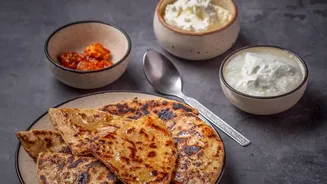
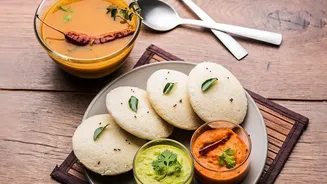
lentils, sesame seeds, dried red chillies, and aromatic spices like cumin and curry leaves. Each family and region, from Tamil Nadu to Karnataka and Andhra Pradesh, has its own cherished recipe. Traditionally, a spoonful of podi is mixed with ghee or sesame oil and served as a dip for idlis and dosas, or simply mixed into hot rice for a quick, satisfying meal. It’s the taste of home, a pantry essential that delivers a nutty, spicy, and deeply savoury kick with minimal effort.
Meet the Global Finishing Dusts
To understand podi's new status, you have to know its peers. Za'atar is a Middle Eastern herb blend, a versatile mix of dried wild herbs like oregano or thyme, toasted sesame seeds, and tangy sumac. It's sprinkled over hummus, baked into flatbreads, and used as a rub for meats, lending an earthy, herbaceous flavour. Furikake is its Japanese counterpart, a savoury condiment designed to be sprinkled over rice. Typically made from dried seaweed (nori), toasted sesame seeds, and often dried fish flakes, egg, or wasabi, it adds a crunchy, umami-packed finish to everything from rice balls to popcorn. Both za'atar and furikake have transcended their cultural origins to become staples in global kitchens, loved for their ability to instantly elevate a dish.
Why Podi Is Having Its Moment
So, why is podi suddenly joining this elite club? The answer lies in a convergence of global food trends. There is a growing international appetite for regional Indian cuisines, moving beyond mainstream curries to explore more specific, authentic flavours. Chefs and food lovers are actively seeking out the nuances of the subcontinent's diverse culinary landscape. Podi fits perfectly into this movement. Furthermore, it aligns with the demand for plant-based, high-protein, and clean-label foods. Most traditional podis are naturally vegan and gluten-free, with a base of protein-rich lentils. Its versatility is another key factor. Like za'atar and furikake, it is a dry condiment with a long shelf life, making it easy to store, transport, and experiment with.
From Idli to Avocado Toast
The most compelling sign of podi's rise is seeing how it's used outside its traditional context. International chefs and home cooks are embracing its creative potential. Social media feeds are filled with inventive applications: sprinkled over avocado toast, used to season roasted vegetables and fries, or whisked into mayonnaise and hummus for a spicy dip. Michelin-starred chefs like Garima Arora have called it a "flavour bomb," incorporating it into their menus in innovative ways. Viral recipes for 'podi pasta' and 'podi grilled cheese' show its seamless integration into global comfort foods, proving its flavour profile has a truly international appeal. It’s no longer just for Indian food; it’s a universal seasoning.