




A Meal Born From Industry
The story of pav bhaji begins not in a fancy kitchen, but in the bustling textile mills of 19th-century Mumbai. Around the 1850s and 60s, mill workers toiled for long hours and had short lunch breaks. They needed a meal that was quick, inexpensive, and energising
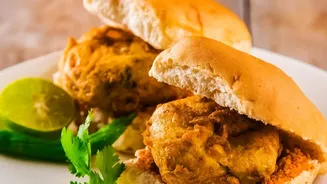
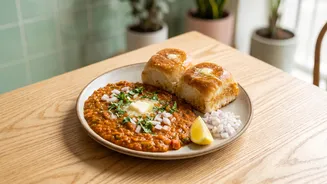
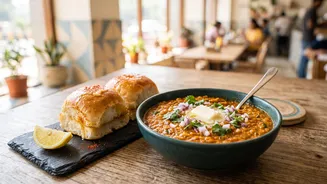
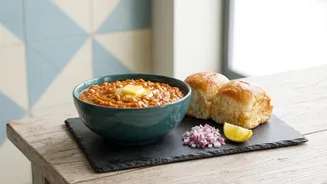
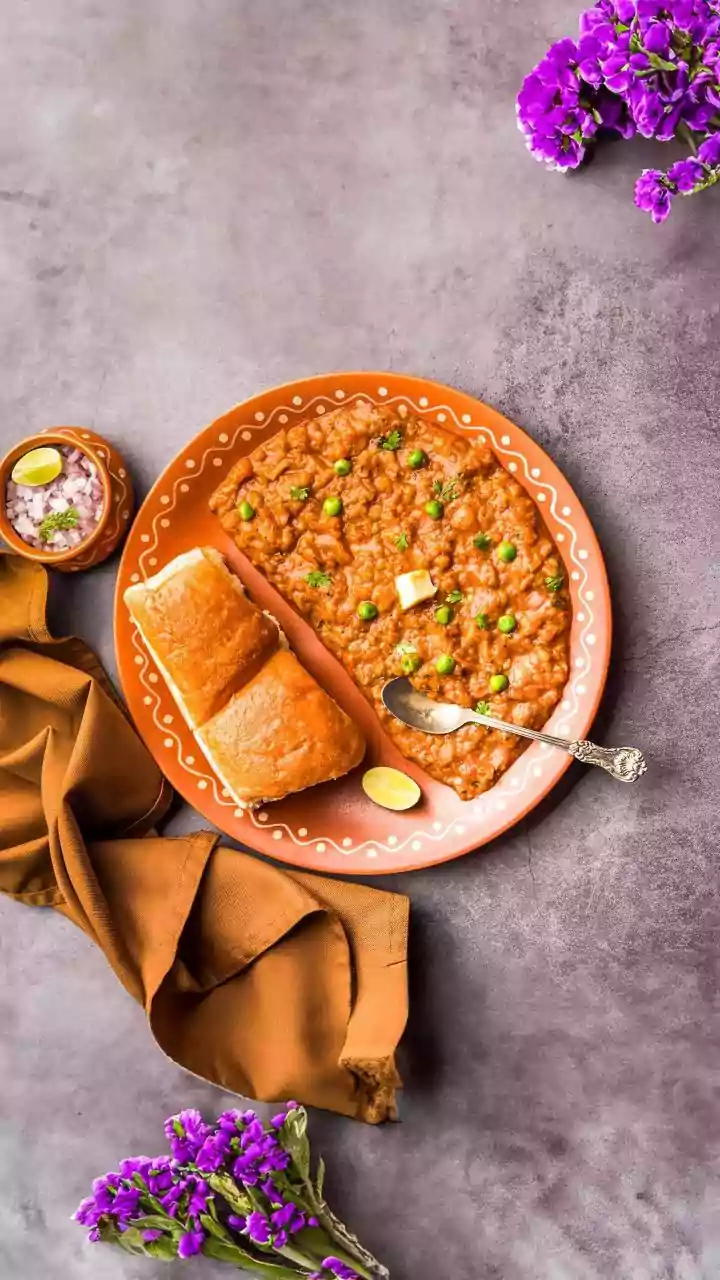
enough to fuel them for strenuous physical labour. A full thali was too heavy and time-consuming. Enterprising street vendors saw an opportunity. They started mashing together various vegetables—often leftovers—on a large, flat griddle, or tawa, adding spices to create a flavourful, semi-liquid curry called 'bhaji'. This concoction was served not with roti or rice, but with a soft bread roll, or 'pav'.
The Portuguese Connection
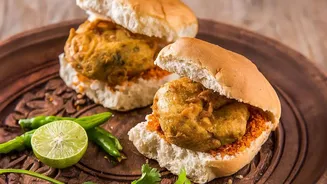
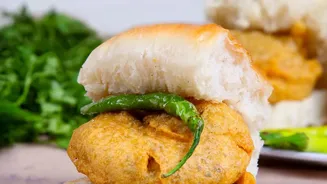
The 'pav' in pav bhaji is as integral to its identity as the 'bhaji', and its name tells a story of cultural exchange. The word 'pav' is derived from the Portuguese word 'pão', meaning bread. Portuguese colonists introduced bread-making to India's western coast, and the soft, slightly sweet buns became a local staple. This European-style bread proved to be the perfect vehicle for the Indian-spiced vegetable mash. It was easy to hold, perfect for soaking up the rich gravy, and allowed workers to eat quickly, often while standing. This fusion of a Portuguese-influenced bread with a uniquely Indian vegetable curry created Mumbai's original fast food.
From Mill Yards to Main Streets
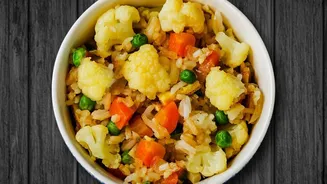
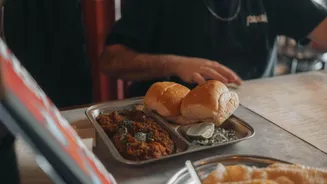
Initially, pav bhaji was the humble meal of the working class, confined to the areas around the textile mills. However, its irresistible combination of convenience and flavour couldn't be contained for long. Over time, the dish migrated from factory gates to the city's famous Udupi restaurants and street-food stalls, most notably at Chowpatty Beach. As Mumbai's pace of life quickened, so did the demand for pav bhaji. Its recipe also evolved; what began as a simple mash of potatoes and onions started incorporating a wider range of vegetables like tomatoes, peas, and capsicum for more complex flavour and texture. The generous use of butter, once a luxury, became a signature element.
A Dish for Everyone
Today, pav bhaji has transcended its origins to become a great social equaliser. It is enjoyed by everyone, from college students on a tight budget to families out for an evening treat and business tycoons in luxury cars. You can find it everywhere, from simple handcarts to five-star hotel menus. This universal appeal is central to its identity. The dish has also proven to be incredibly adaptable. Modern variations include cheese pav bhaji, paneer pav bhaji, and even Jain versions made without onions or garlic. These adaptations allow the dish to cater to diverse palates while staying true to its core concept.