


Embrace Small-Batch Cooking
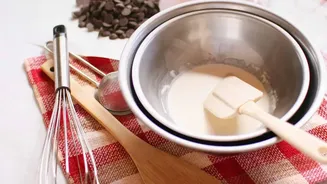
Most recipes are designed to serve four or more, but simple division is often all you need. Halving ingredients is a good start, but some recipes require a little more finesse. When dealing with an odd number of eggs, for example, you can whisk the egg and
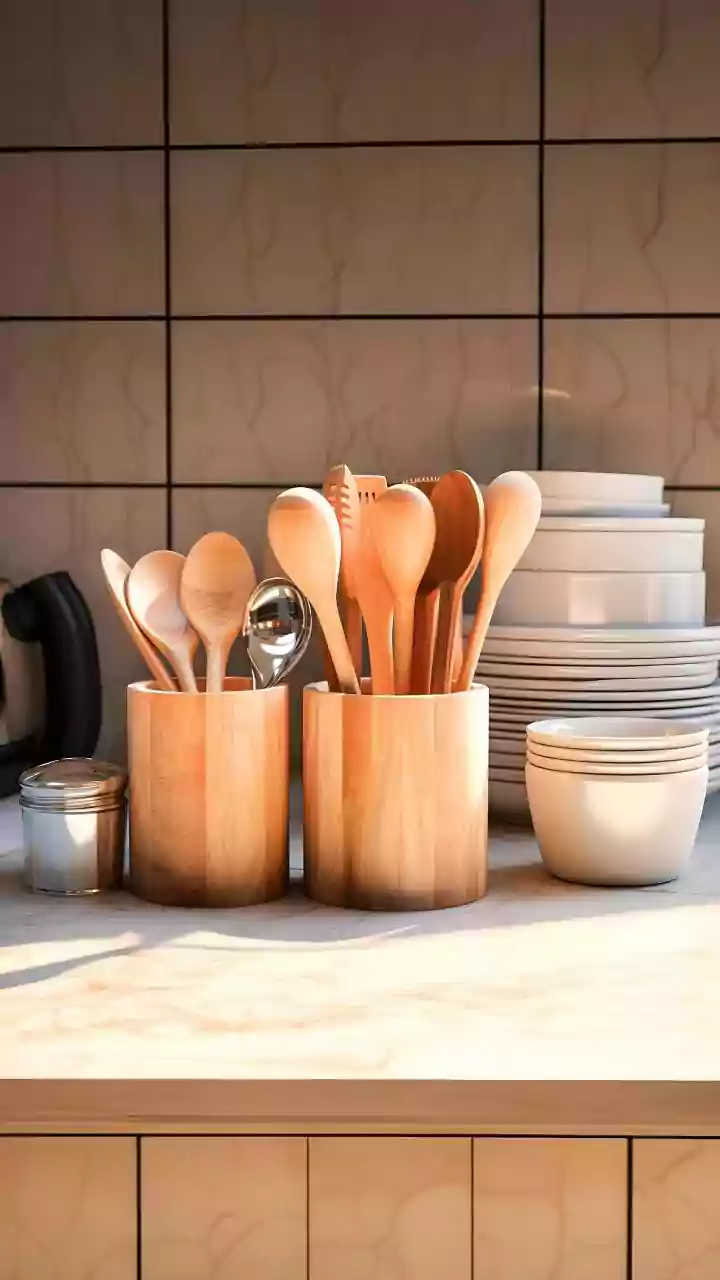
use half of the liquid. For baking, it's often easier to find recipes specifically designed for small batches to ensure the chemistry works perfectly. Investing in smaller cookware, like a mini skillet or a small saucepan, also makes the process feel more natural. The goal isn't to make cooking more complicated, but to scale it down to a manageable size that eliminates excessive leftovers and the food fatigue that comes with them.
The Art of Shared Ingredients
One of the best ways to conquer food waste is to plan your meals around versatile ingredients. Instead of buying a special item for a single recipe, think about how one core component can anchor several different meals. For example, a bunch of spinach can be used in a morning omelette, blended into a smoothie, and sautéed as a side dish for dinner. A whole roasted chicken can be the star of a meal one night, with the leftovers shredded for sandwiches, added to a soup, or tossed into a salad over the next few days. This “ingredient overlap” approach not only saves money but also sparks creativity, forcing you to think like a resourceful chef who can transform simple basics into varied and exciting dishes.
Make Your Freezer a Prep Station
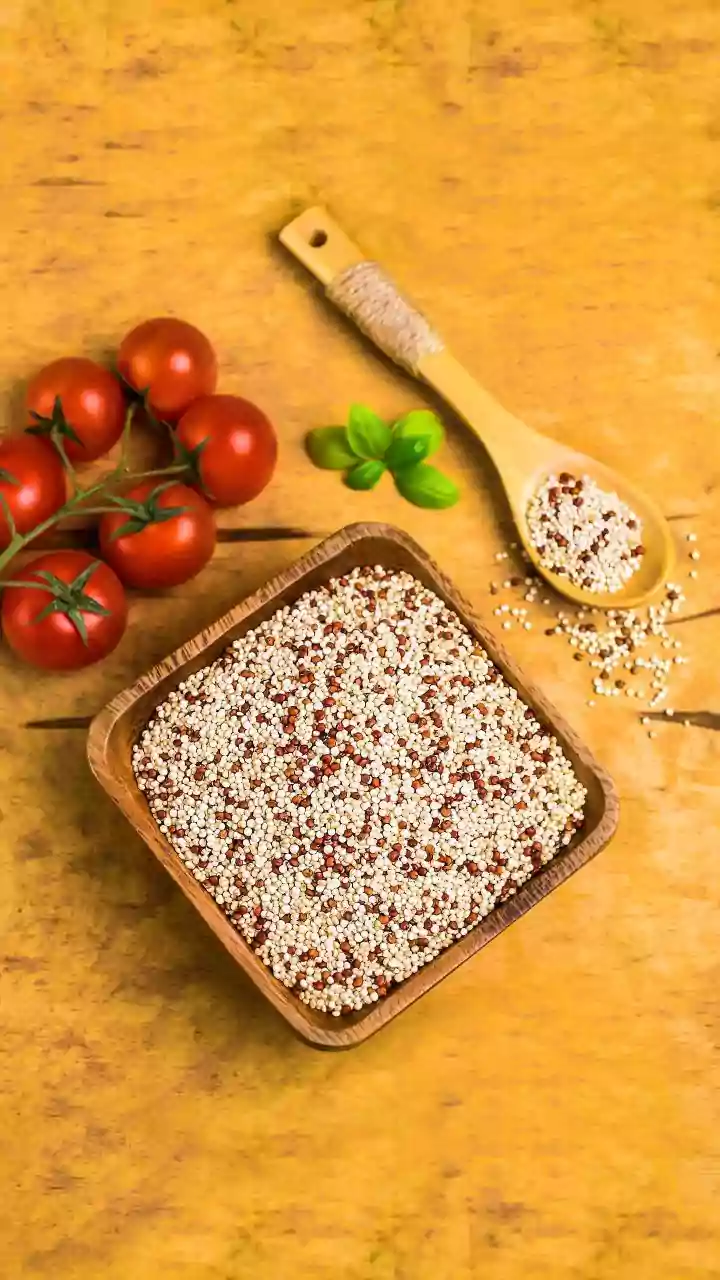
Your freezer is more than just a place for ice cream and frozen peas; it's your most powerful ally in the fight against food waste. The key is to freeze food in single-serving portions. Instead of freezing an entire pot of soup or stew, divide it into individual containers for quick, grab-and-go meals. You can also freeze components to speed up future cooking. Chop onions, peppers, and other vegetables and freeze them in bags. Portion out cooked grains like rice or quinoa. Freeze leftover sauces or broths in ice cube trays for easy-to-use flavour bombs. This turns your freezer into a personal prep station, ensuring you always have the building blocks for a quick, home-cooked meal.
Master Smart Shopping Habits
Grocery stores often cater to families, with bulk packaging that can be challenging for a solo cook. To navigate this, plan your meals before you shop and make a detailed list. When possible, shop more frequently, making smaller trips to buy only what you need for the next few days. Make friends with the deli and meat counters, where you can buy just one chicken breast or a few slices of cheese instead of a large package. Don't overlook the bulk bins for staples like oats, nuts, and grains, as they allow you to purchase the exact amount you need. And remember that frozen fruits and vegetables are just as nutritious as fresh and can be a lifesaver, as you can use a small amount and put the rest back in the freezer.