






The Efficient Purist vs. The Comfort Seeker
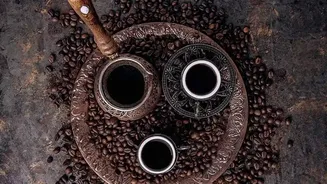
The image of the black coffee drinker is often tied to efficiency, purism, and a no-nonsense attitude. It’s seen as fuel, a tool for productivity. In pop culture, this is the drink of detectives, high-powered executives, and serious artists—individuals
who are seen as too busy or too focused for the frivolities of milk and sugar. Clinical psychologist Dr. Ramani Durvasula conducted a study suggesting that those who prefer black coffee tend to be more straightforward and bold. In this view, coffee is a means to an end: caffeine, delivered directly. There is an appreciation for the unadulterated taste of the coffee bean itself, with a belief that adding milk masks the 'true' flavour. On the other side of the cafe, milk-based drinks like lattes and cappuccinos carry an aura of comfort, socialisation, and indulgence. These are often seen less as a utility and more as a treat or an experience. The addition of steamed milk softens the bitterness of espresso, making it a more approachable and soothing beverage. Psychologically, those who favour these sweeter, creamier drinks are often perceived as more easy-going, sociable, and people-pleasing. The drink becomes part of a relaxing ritual rather than just a quick energy boost.
A Brief History of Dilution
For much of its history, coffee was consumed black, often with sugar. The idea of adding milk is a relatively modern, European invention. One of the earliest accounts dates to 1660, when a Dutch ambassador in China, inspired by the Manchu elite adding milk to their tea, decided to try it with coffee. The trend spread across Europe as a way to temper the often harsh and bitter taste of the coffee available at the time. Viennese coffee houses in the 19th century popularised creamy coffee concoctions, but it was the invention of the espresso machine and the subsequent rise of Italian-American cafe culture that cemented the latte and cappuccino in our modern lives. This history contributes to the perception of black coffee as the 'original' or more 'authentic' way to drink coffee, while milk is seen as a later addition that 'dilutes' the experience.
The Health Halo and Calorie Count
Modern wellness culture has also played a significant role in shaping these images. Black coffee is often championed for its health benefits. It is virtually calorie-free and packed with antioxidants. Studies have linked its consumption to a reduced risk of certain diseases and improved physical performance. This gives it a 'health halo,' making it the choice for the disciplined and health-conscious. In contrast, milk-based beverages, especially those with added syrups and sugars, are often viewed as a caloric indulgence. A standard black coffee contains minimal calories, while a large flavoured latte can easily rival a dessert in its sugar and fat content. This reinforces the idea of black coffee as a 'clean' and functional choice, versus a milky coffee as a decadent treat.
Marketing, Media, and Generational Divides
Coffee shops and media have capitalised on and reinforced these identities. The minimalist, industrial-chic cafe often puts the focus on the single-origin black coffee, appealing to connoisseurs. Meanwhile, large chains have built empires on customisable, dessert-like milk drinks that cater to a desire for personalisation and indulgence. These preferences also show a generational skew. While older generations may have stuck to traditional drip coffee, Millennials drove the boom in specialty cafes with a focus on craft, and Gen Z has embraced elaborate, often cold and milky, custom creations. Our screens are filled with images that reinforce these stereotypes: the stressed student with a constant cup of black coffee, the social media influencer with a photogenic, art-adorned latte.