





The Foundation: Getting the Soil Right
The secret to a thriving lemon plant begins below the surface. Lemon trees, like other citrus varieties, absolutely despise having “wet feet,” which leads to root rot, one of the most common reasons for their decline. Therefore, the single most important
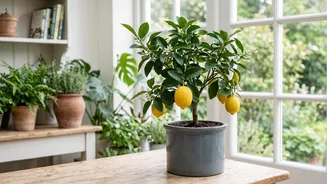
quality of your soil should be excellent drainage. Standard garden soil is often too dense and retains too much water for potted citrus. Instead, opt for a specially formulated citrus potting mix or create your own. A reliable DIY blend consists of equal parts potting soil, perlite (for aeration), and organic matter like compost or well-rotted manure. Some gardeners also use composted bark and peat moss. This creates a light, airy medium that allows roots to breathe and water to drain freely. Lemon trees also prefer a slightly acidic soil, with a pH level ideally between 6.0 and 7.0. Using a pot with ample drainage holes is non-negotiable to prevent water from pooling at the bottom.
Chasing the Sun: Crucial Light Requirements
Lemon trees are sun-worshippers. To fuel the growth of lush foliage and, most importantly, to produce flowers and fruit, they require a generous amount of direct sunlight. The general consensus is a minimum of six to eight hours of direct, bright light every day. In an apartment or home setting, a south-facing balcony or window is the ideal location to meet these needs. If you notice your plant is growing but not producing any fruit, a lack of sufficient sunlight is a likely culprit. While they crave the sun, be mindful of the intense afternoon heat, especially during peak summer months in India. The harsh sun can sometimes cause leaf scorch on younger, less established trees. If you notice leaves looking burnt, you might consider moving the plant to a spot where it gets gentle morning sun and some protection during the hottest part of the day, or using a shade cloth during extreme heatwaves.
The Art of Watering: A Delicate Balance
Overwatering is arguably the most frequent mistake made in caring for potted lemon trees. The key is to water deeply but infrequently. Instead of watering on a rigid schedule, get into the habit of checking the soil first. The best method is to stick your finger about two inches into the soil. If the soil feels dry at that depth, it's time to water. If it still feels moist, wait another day or two and check again. When you do water, do so thoroughly until you see water running out of the drainage holes at the bottom of the pot. This ensures that the entire root ball gets hydrated. Then, allow the top layer of soil to dry out completely before the next watering session. Your watering frequency will change with the seasons. During hot and windy summer months, your plant may need watering every day or two, while in the cooler winter or monsoon season, once a week might be sufficient.
Beyond the Basics: Feeding and Care
While soil, sun, and water are the three pillars, a little extra care will take your lemon plant from merely surviving to truly thriving. Lemon trees are heavy feeders, especially during their growing season (spring and summer). To support leaf growth and fruit production, feed your plant with a balanced fertilizer formulated specifically for citrus trees. These fertilizers contain the right mix of nitrogen, phosphorus, and potassium (NPK), along with essential micronutrients. Apply the fertilizer according to the package directions, typically every four to six weeks during active growth. Pruning can also help maintain the plant's shape and encourage healthier, bushier growth. Trim any weak, overcrowded, or crossing branches to improve air circulation through the canopy. Finally, keep an eye out for common pests like aphids or mealybugs. If you spot any, they can often be managed with organic solutions like a simple neem oil spray.