








The Heart of the Deal
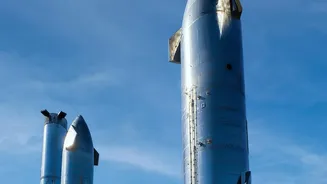
In what Governor Jeff Landry likened to the historic Louisiana Purchase, the state has partnered with SpaceX for a transformational project dubbed 'Starbase Louisiana'. The plan involves developing a 125,000-acre coastal site formerly owned by ExxonMobil
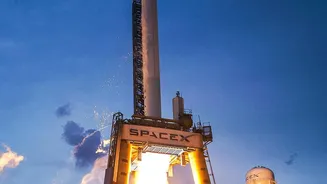
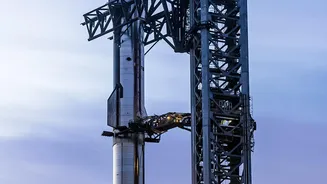
into a state-of-the-art launch and manufacturing facility. This is not just a simple launchpad; the vision is for a self-sustaining spaceport. At full buildout, the complex is expected to feature five launch complexes, each with two launch pads, for a total of ten. It will also include on-site propellant production, power generation, deep-water shipping access, vehicle processing facilities, and even housing for employees.
Why Louisiana Wants In on the Space Race
For Louisiana, this massive undertaking is about economic transformation. The project is projected to create 3,000 direct new jobs over the next decade, with an average annual salary of nearly $93,000. Louisiana Economic Development also estimates the creation of over 8,100 indirect jobs for local contractors and suppliers. This represents a monumental effort to diversify the state's economy, traditionally reliant on oil and gas, and establish it as a leader in the high-tech aerospace sector. The state sees this as an opportunity to leverage its existing industrial workforce, experienced in building complex infrastructure, for the next frontier of exploration and technology. Governor Landry emphasized that this investment offers Louisiana a "permanent future and lasting prosperity."
A Strategic Win for SpaceX
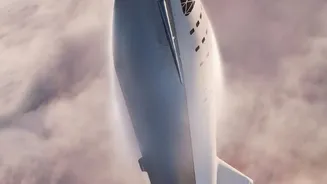
SpaceX's ambition is to dramatically increase its launch cadence, eventually supporting thousands of Starship flights a year. Its existing sites in Texas and Florida face logistical constraints. Louisiana offers a unique combination of advantages that are hard to find elsewhere. The Vermilion Parish location provides a vast, sparsely populated coastal area with direct access to the Gulf of Mexico. This geography is ideal for a wide range of launch trajectories, including the polar orbits needed for satellite constellations, with flight paths over open water. Furthermore, the site's proximity to Louisiana's abundant natural gas supply is crucial for producing the liquid methane that fuels Starship's Raptor engines, simplifying logistics immensely.
From Proposal to Reality
While the announcement is a significant milestone, the first rocket won't be lifting off tomorrow. Construction is scheduled to begin in 2027, with the first launch from Starbase Louisiana targeted for 2029. The project will require extensive regulatory and environmental reviews. The coastal marshland is a fragile ecosystem, and SpaceX has stated it is working with state agencies like the Department of Wildlife and Fisheries and the Coastal Protection and Restoration Authority to mitigate environmental impacts. The company plans to contribute to shoreline protection and marsh restoration efforts as part of the project. This collaborative approach will be critical to navigating the complex approval processes ahead.