




More Than Just a Pretty Place
While many destinations stumble upon tourism success, Kerala's enduring appeal is the result of a deliberate, long-term strategy known as the Responsible Tourism (RT) Mission. Launched to counteract the potential negative impacts of mass tourism, this
state-led policy was designed to make tourism work for everyone—locals and visitors alike. Instead of focusing solely on visitor numbers, the mission redefined success by asking how tourism could preserve the environment, respect local culture, and, most importantly, create genuine economic benefits for the communities that call these beautiful places home. It's a formalised framework that treats villages, farmers, and artisans not as scenery, but as central stakeholders in the tourism story.
Putting People at the Centre
The core reason Kerala's model remains a global topic of conversation is its emphasis on community participation. The RT Mission actively links tourism to local livelihoods by promoting homestays, encouraging tourists to buy directly from local artisans, and creating 'experiential' tours where visitors can engage with village life. This approach ensures that tourism revenue flows directly into local households, rather than being siphoned off by large, disconnected corporations. Initiatives promoting ethnic foods and women-led enterprises have been particularly successful, earning the state international accolades. By empowering locals to become entrepreneurs, the model fosters a sense of ownership and pride, turning them into the most authentic guardians of their own culture and environment.
A Blueprint for Inclusive Growth
Projects like PEPPER (People’s Participation for Participatory Planning and Empowerment through Responsible Tourism) showcase this philosophy in action. PEPPER is a groundbreaking initiative that uses 'Special Tourism Grama Sabhas' (village councils) to identify and develop new, unexplored tourism destinations. This ensures that development is democratic and bottom-up, reflecting the needs and aspirations of the local population. Another award-winning project, STREET (Sustainable, Tangible, Responsible, Experiential, Ethnic, Tourism), focuses on themes like water conservation and has been lauded internationally for transforming local communities. These structured programs demonstrate a commitment that goes beyond mere suggestions, creating replicable models for sustainable development.
A Greener Bottom Line
Kerala’s approach proves that sustainability is not just an ethical choice, but a smart economic one. By preserving its natural assets—the backwaters, forests, and beaches—the state protects the very resources that attract tourists in the first place. This focus on eco-friendly practices has consistently won global recognition, including multiple World Travel Market awards and praise from publications like The New York Times. These accolades aren't just for show; they reinforce Kerala's brand as a high-quality, responsible destination, attracting travellers who are often willing to spend more for authentic and ethical experiences. The state has successfully demonstrated that environmental stewardship and economic growth can, and should, go hand-in-hand.
Not a Perfect Paradise
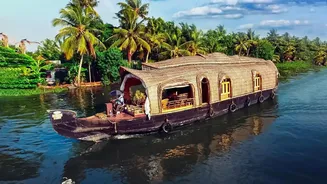
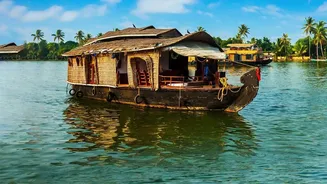
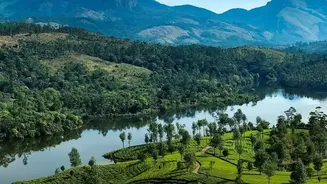
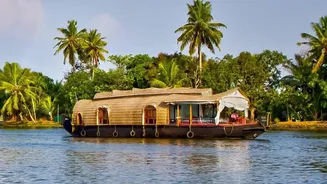
Despite its successes, the topic of sustainable tourism in Kerala hasn't gone away because the work is never truly done. Challenges remain, and they are part of the ongoing discussion. Overcrowding in popular hubs like Munnar and Alleppey puts a strain on infrastructure and the environment. There are also concerns about ensuring the economic benefits of tourism are distributed equitably across all communities and avoiding the commercialisation of culture. Maintaining the delicate balance between visitor demands and local wellbeing requires constant vigilance and adaptation. These ongoing challenges are precisely why the model continues to be studied and debated—it’s a living experiment in getting tourism right, not a finished product.