




The Hormuz Pressure Point
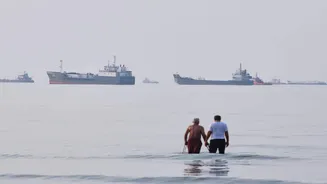
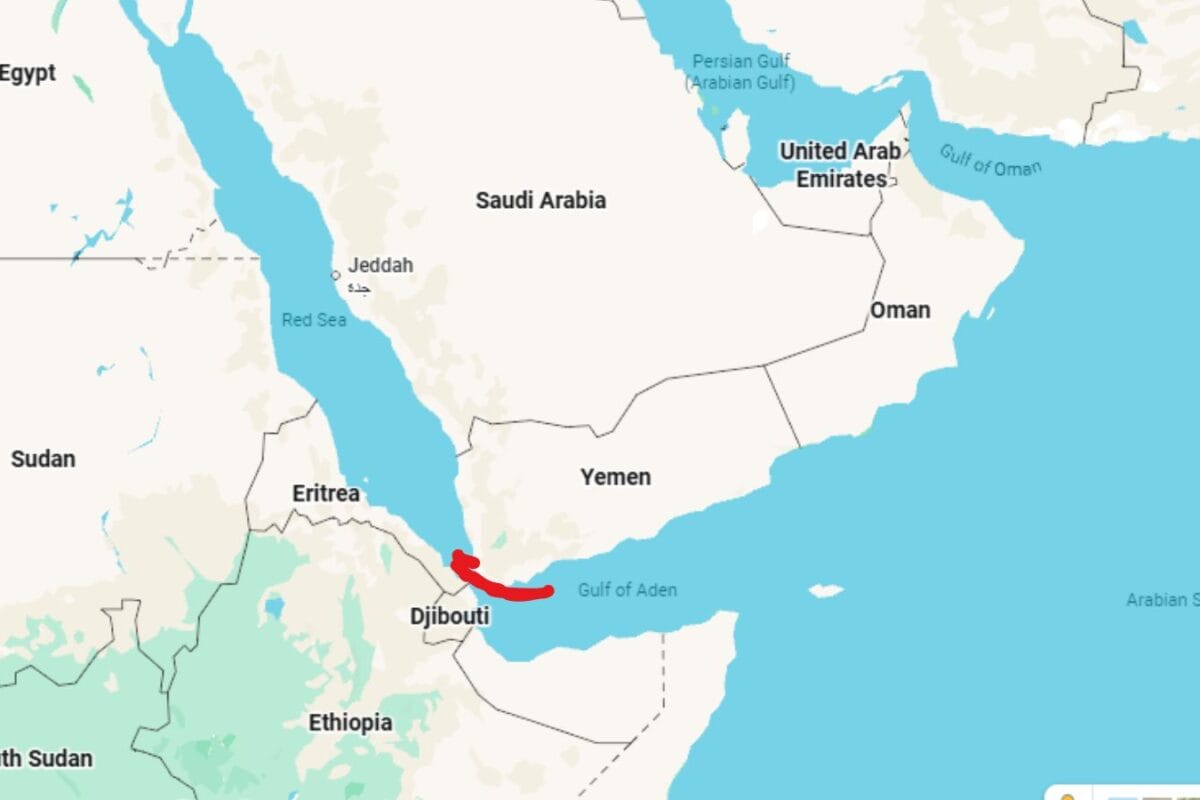
The Strait of Hormuz is arguably the world's most important oil chokepoint. Connecting the Persian Gulf with the Gulf of Oman and the open ocean, it is the main sea route for the region's petroleum exporters. For India, its significance cannot be overstated.
Around 40% of India's crude oil imports, along with a substantial portion of its Liquefied Natural Gas (LNG) and Liquefied Petroleum Gas (LPG), pass through this narrow waterway. Geopolitical tensions, particularly involving Iran, frequently place this route under stress. Any disruption, whether from military conflict, blockades, or attacks on shipping, can send shockwaves through global energy markets. Reports from early 2026 noted that instability in the region caused Brent crude prices to spike, highlighting India's direct exposure to the strait's volatility.
The Bab el-Mandeb Bottleneck
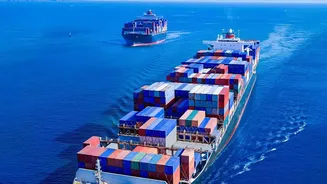
To the west lies the Bab el-Mandeb Strait, the gateway to the Red Sea and the Suez Canal. This chokepoint is essential for trade between Asia and Europe. While not as dominant as Hormuz for India's energy imports from the Gulf, it is a critical corridor for goods and some energy supplies, especially those moving to or from Europe and Russia. In recent years, and continuing into 2026, attacks on commercial shipping by Yemen's Houthi movement have made this a high-risk area. Such attacks force vessels to take a much longer and more expensive route around the Cape of Good Hope at the southern tip of Africa, adding weeks to transit times and dramatically increasing freight and insurance costs. Recent threats in July 2026 to blockade the strait have once again highlighted its vulnerability.
A Dual Threat to India’s Economy
The simultaneous instability in both Hormuz and Bab el-Mandeb creates a double-squeeze scenario for India. A disruption in one strait is problematic; a crisis affecting both could be catastrophic. Experts have warned that a dual closure could push global crude prices as high as $130–$135 per barrel. For a country that imports nearly 89% of its crude oil, the economic consequences would be severe. Higher energy prices would fuel inflation, increase the import bill, strain foreign exchange reserves, and raise the cost of everything from fuel at the pump to industrial production and fertilisers. According to one report, about a third of India's total trade passes through these volatile regions, demonstrating that the impact extends far beyond just energy security.
India’s Strategic Response
New Delhi is not a passive observer of these threats. The Indian Navy has been actively working to secure these sea lanes through missions like Operation Sankalp, which was launched in 2019 to ensure the safe passage of Indian-flagged vessels. This operation involves deploying warships in the Gulf and Arabian Sea to provide security and assistance. Beyond military presence, India is pursuing a multi-pronged strategy to mitigate its risks. This includes diversifying its sources of crude oil and LNG, expanding its sourcing portfolio from 27 to 41 countries for oil. Furthermore, the government is expanding its Strategic Petroleum Reserves (SPR) to create a buffer against short-term supply shocks. Plans are underway for a second phase of SPR development, aiming to significantly increase the country's emergency stockpile capacity from its current level of around 9.5 days of import cover.