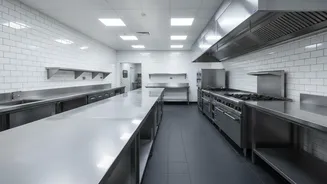










A Renewed Focus on Kitchen Cleanliness
Recent, widely publicised inspections in cities like Bengaluru and Mumbai have uncovered serious lapses at a range of eateries, from local joints to high-end hotels. Food safety officials have found everything from expired and rotten ingredients to unhygienic
kitchens and improper food storage. These incidents serve as a stark reminder that the appearance of a restaurant doesn't always reflect the reality of its kitchen practices. This has led to increased consumer anxiety and a demand for greater transparency, pushing regulatory bodies and diners alike to pay closer attention to food safety standards.
Understanding the FSSAI Hygiene Rating Scheme
The Food Safety and Standards Authority of India (FSSAI) created the Hygiene Rating Scheme to empower consumers and encourage restaurants to maintain high standards. It's a voluntary certification system where participating restaurants, hotels, cafes, and sweet shops are audited and rated based on their compliance with FSSAI's food safety and hygiene regulations. The audit checks everything from the handling of raw materials and food preparation processes to the cleanliness of the premises and personal hygiene of the staff. The goal is to create a transparent system where customers can easily assess the hygiene level of an establishment.
How to Decode the Hygiene Ratings
The rating system is designed to be simple and easy to understand, using a scale of one to five smileys. A rating is awarded after a thorough inspection by a food safety officer or an FSSAI-recognised audit agency. A higher number of smileys indicates better compliance with hygiene and safety standards. While some documentation refers to numerical scores, the certificate displayed to the public uses smileys. It's a snapshot of the conditions found on the day of the inspection. The rating is typically valid for up to two years, after which a re-assessment is needed to maintain it.
Finding a Restaurant's Rating
So how do you find these ratings before you order? The most direct way is to look for the hygiene rating certificate prominently displayed at the restaurant's premises. Businesses that participate are encouraged to show off their good rating. Many also display their 14-digit FSSAI license number, which is a basic requirement. You can also check the official FSSAI Hygiene Rating portal (hygiene.fssai.gov.in) to find lists of rated establishments. Some restaurants may also mention their rating on their menus or online listings, but the physical certificate at the venue is the most reliable confirmation.
What the Rating Doesn't Tell You
While a good hygiene rating is a positive indicator, it has its limitations. First, the scheme is voluntary, so many restaurants may not have a rating at all; this doesn't automatically mean they are unhygienic, just that they haven't participated in the audit. Second, the rating reflects the conditions on the day of the audit and isn't a continuous guarantee. A 5-smiley rating from a year ago may not reflect current management or staff practices. Therefore, the rating should be used as one of several factors in your decision-making process, not as the sole reason to trust an establishment.
Beyond the Certificate: Your Own Judgement Matters
Ultimately, the best approach is to combine the official rating with your own observations. Pay attention to the overall cleanliness of the dining area, tables, and washrooms. Are the staff well-groomed with clean uniforms? Is the food served at the correct temperature? Are there any visible signs of pests? These commonsense checks can tell you a lot about the establishment's day-to-day standards. Recent enforcement drives have shown that even expensive, well-regarded restaurants can have serious hygiene issues behind the scenes, making consumer vigilance more important than ever.