






A City Built on Islands and Parks
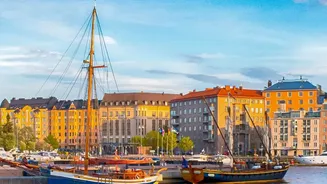
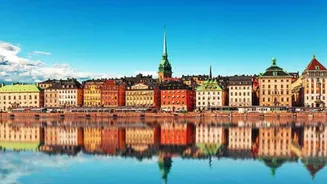
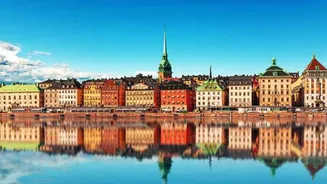
Stockholm is often called the 'Venice of the North', a city spread across 14 islands where Lake Mälaren meets the Baltic Sea. But beyond its waterways and colourful buildings, it is one of Europe’s greenest capitals. Nearly a third of the city is devoted
to green spaces, from manicured gardens to vast, forest-like parks. For an Indian traveller accustomed to bustling city life, this blend of accessibility and tranquility is a refreshing change. The best part is how the city’s design encourages you to explore this nature. You can start your day in a trendy café in Södermalm and, within 30 minutes, be walking through ancient forests or along a quiet island shore, all thanks to a brilliantly integrated public transport system.
Navigate with Ease: The SL System
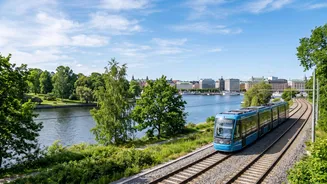
Stockholm’s public transport network, managed by Storstockholms Lokaltrafik (SL), is a marvel of efficiency. It includes the metro (Tunnelbana), buses, commuter trains (Pendeltåg), trams, and even ferries. For tourists, the most economical choice is a travelcard, available for 24 hours, 72 hours, or 7 days. This card gives you unlimited travel across the entire network. You can buy it via the SL mobile app, at ticket machines, or from newsagent kiosks like Pressbyrån. The Tunnelbana is not just transport; it’s famously known as the 'world's longest art gallery', with over 90 of its 100 stations featuring impressive art installations. Forget about renting a car; with a single SL card, the entire city and its natural surroundings are at your fingertips.
Djurgården: The Royal Island Oasis
The island of Djurgården is Stockholm’s green heart and a perfect first stop. Part of the world's first National Urban Park, it hosts famous attractions like the Vasa Museum and Skansen open-air museum. But it's also a vast recreational area with forests, meadows, and canals. Getting there is part of the fun. You can take the scenic Tram 7 directly from the city centre. Alternatively, the Djurgården ferry from Slussen is included in your SL travelcard and offers stunning water views of the city. In just a few minutes, you are transported from the urban core to a peaceful world of walking paths and waterfront picnics. It perfectly illustrates how easily Stockholm merges city life with nature.
Go Wild: A National Park by Bus
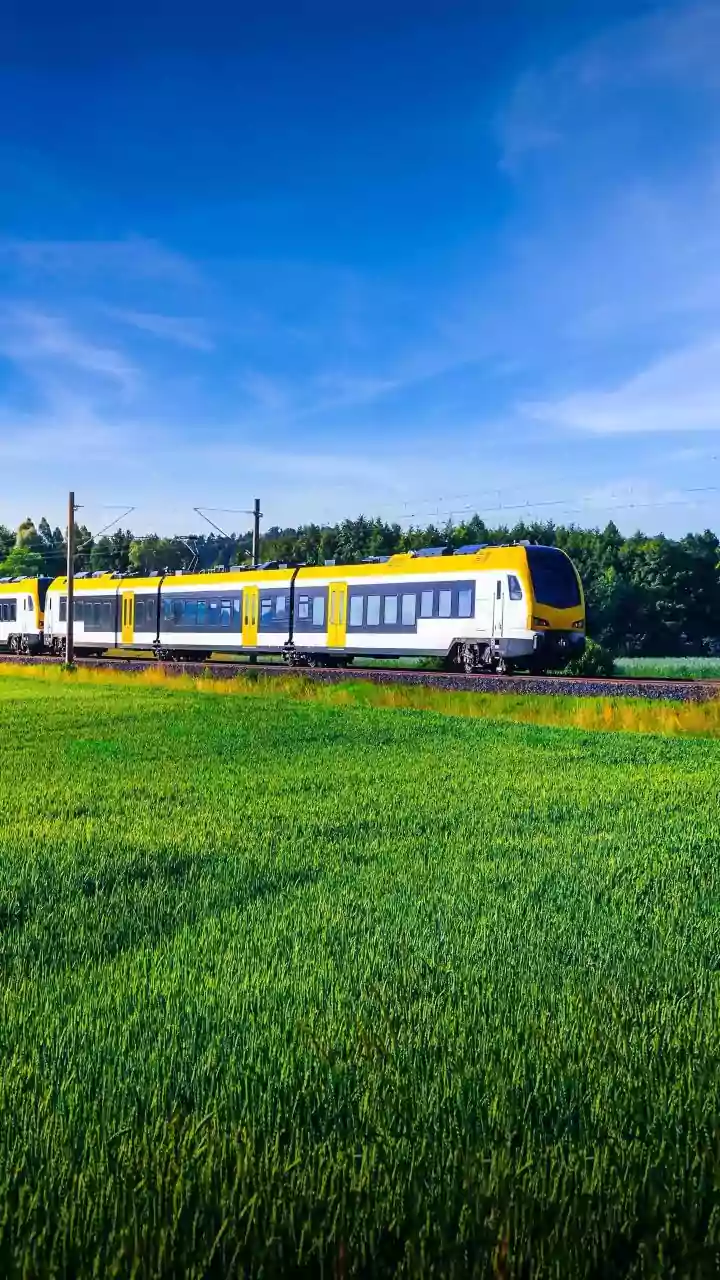
To truly appreciate the reach of Stockholm’s transport, plan a day trip to Tyresta National Park. Located just about 20 kilometres from the city, this park features pristine, old-growth forest and a network of beautiful hiking trails. You don’t need a special tour or a car to get there. You can take a commuter train (Pendeltåg) from Stockholm's Central Station to Handen, and then switch to bus 834, which takes you directly to the park entrance at Tyresta by. The entire journey takes under two hours and is covered by your SL travelcard. It’s a fantastic way to experience Sweden’s wild landscapes, see moose or deer, and feel completely removed from the city, all while using standard public transport.
Island Hopping on a Commuter Ferry
Stockholm's famous archipelago consists of over 30,000 islands, and you don’t need an expensive cruise to experience it. The SL network includes commuter ferries, making island hopping both affordable and easy. The Waxholmsbolaget ferries are part of the public transport system, and with a valid SL card, you can explore nearby islands like Vaxholm or Grinda. A journey to the charming fortress town of Vaxholm, for instance, takes about an hour and provides a stunning tour of the inner archipelago along the way. It’s a quintessential Swedish experience—gliding past rocky shores and quaint summer cottages—made accessible to every traveller.
Tips for Indian Travellers
When planning your trip, consider visiting between May and September for the best weather to enjoy the parks and long daylight hours. English is widely spoken, so communication is rarely an issue. Sweden uses the Swedish Krona (SEK), but the country is largely cashless, so a good international credit or debit card is essential. For your visa, Sweden is part of the Schengen Area, so you will need to apply for a Schengen visa. The food scene is diverse, with plenty of vegetarian options available, especially in the trendy Södermalm and Norrmalm districts.