


Meet PRIMA: NASA's New Cosmic Explorer
PRIMA, short for the PRobe far-Infrared Mission for Astrophysics, is a new space observatory designed to explore the universe in a way our eyes and even many other telescopes cannot. It will be the first in a new class of missions called Probe Explorers,
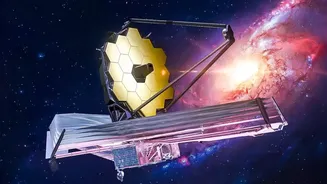
which are designed to be more ambitious than smaller projects but more cost-effective than flagship missions like the James Webb Space Telescope (JWST). PRIMA's primary goal is to survey the cosmos in far-infrared light, a part of the spectrum that reveals the cool, dusty processes of cosmic creation. This allows it to study the formation of stars and planets, trace the evolution of galaxies and their supermassive black holes, and even investigate the origins of water on Earth. By observing wavelengths that JWST doesn't cover, PRIMA will bridge a critical gap between existing infrared and radio telescopes, offering a more complete picture of the universe's history.
The Billion-Dollar Handshake
The $1.2 billion cost cap on PRIMA is not just a number; it's a strategic declaration. In the past, major NASA projects have become famous for significant cost overruns, which can strain the agency's overall budget and delay other important missions. By setting a firm cap from the outset (excluding launch costs), NASA is signaling a shift toward greater fiscal discipline and project management predictability. This approach was recommended by the National Academies of Sciences, Engineering, and Medicine to ensure that high-priority science can be accomplished without threatening the broader agency portfolio. PRIMA now enters its next development phase, where its design and technology will be refined to ensure it can meet its ambitious science goals while staying within its financial guardrails. This makes the mission a test case for a new, more sustainable model of funding large-scale space exploration.
A Leap in Technology and Vision
To achieve its goals, PRIMA will carry a 1.8-meter telescope and a suite of highly advanced instruments that are cryogenically cooled to just a few degrees above absolute zero. This extreme cold is essential to reduce the telescope's own heat, which would otherwise blind its sensitive detectors to the faint far-infrared light from distant cosmic objects. Unlike previous far-infrared observatories that relied on a limited supply of liquid helium coolant, PRIMA will use active cryocoolers, giving it a planned five-year mission without a built-in expiration date. Its detectors represent a major technological leap, allowing it to conduct surveys orders of magnitude more sensitive than its predecessors. According to Nicky Fox, associate administrator at NASA, "The PRIMA mission is humanity's next window into the deep universe."
The Road to a 2033 Launch
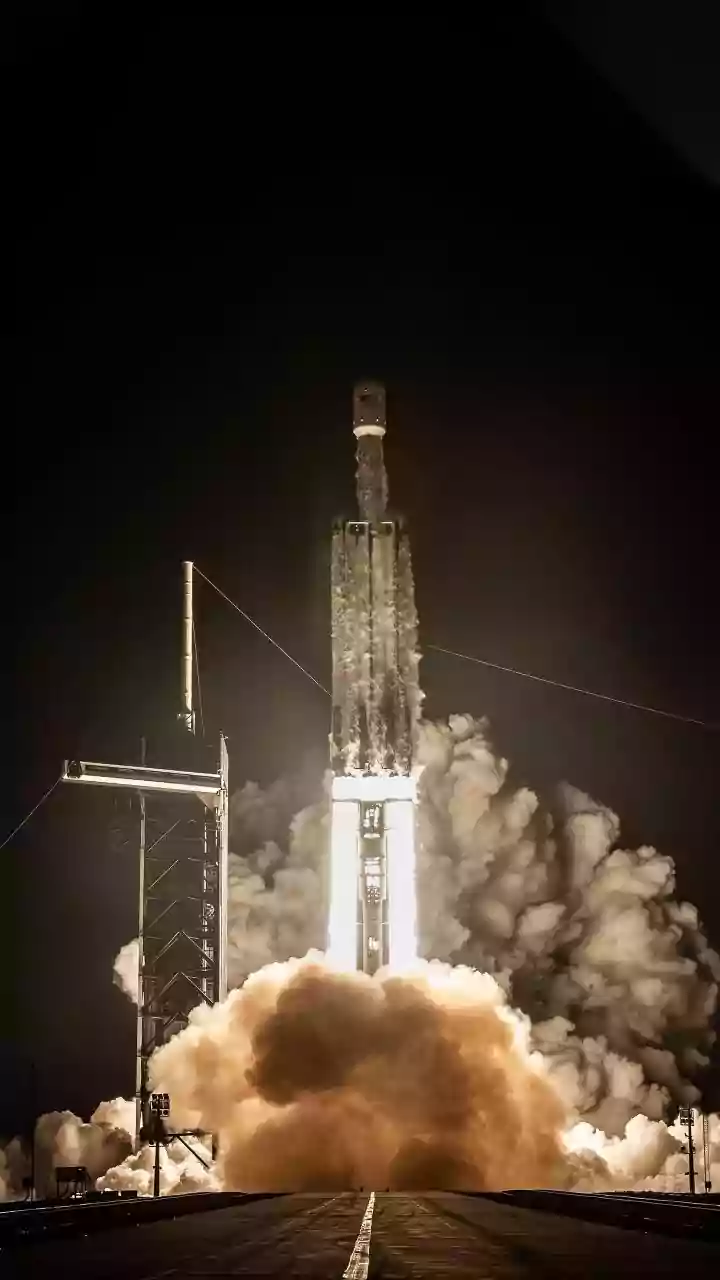
With a launch target of 2033, the PRIMA team at NASA's Jet Propulsion Laboratory and its international partners face a decade of intense work. The project has now officially entered what is known as Phase B, where the preliminary designs are finalized and the necessary technologies are matured. This phase will conclude with a critical confirmation review that will assess its technical feasibility, schedule, and cost performance before full construction begins. The mission's success depends not only on its advanced engineering but also on a disciplined management approach that keeps the project on its strict timeline and budget. If all goes according to plan, PRIMA will lift off in 2033 and begin its five-year mission to unveil parts of the cosmos that have long been hidden from view.