
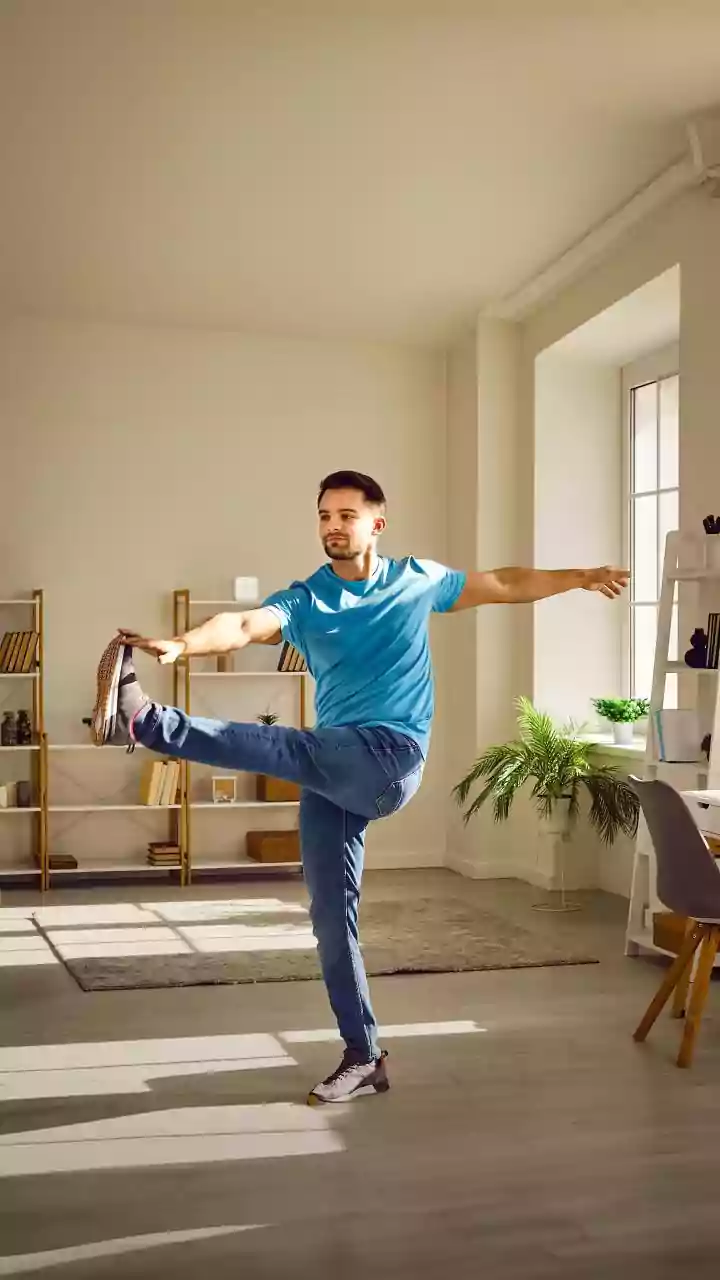






More Than Just a Workout
Let's be honest: for many of us, the biggest hurdle to fitness isn't the physical effort, but the mental boredom. Running on a treadmill or cycling in place can feel repetitive and uninspiring. Dance aerobics flips this script entirely. It transforms
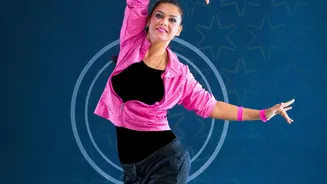
exercise from a calorie-burning chore into an expressive and enjoyable activity. At its core, it’s a form of aerobic exercise that combines rhythmic movements with upbeat music. But its real magic lies in making you forget you're even working out. The focus shifts from counting reps to feeling the rhythm and learning the steps, making it a holistic experience for the mind and body.
The Powerful Pull of the Beat
Music is not just background noise during dance aerobics; it's the main event. Research consistently shows that music has a profound psychological effect on exercise. Up-tempo tracks can boost motivation, elevate your mood by triggering the release of dopamine, and even reduce the perception of exertion by up to 10 percent. This means you can often work out harder and longer without feeling as tired. The beat helps synchronize your movements, which can improve efficiency and coordination. When your body is naturally following a rhythm, the workout feels less strenuous and more like a celebration. This is why a great playlist can be the difference between a sluggish workout and a session filled with energy and power.
A Workout for Your Brain, Too
While your muscles are getting a great workout, your brain is hard at work as well. Unlike repetitive exercises, dance aerobics requires you to learn and remember choreography. This process of following patterns, coordinating limbs, and staying on beat is a significant cognitive workout. Studies have shown that dance can improve brain health, memory, and processing speed by forcing your brain to make quick decisions and multitask. This mental engagement is a key reason why time seems to fly by in a dance class. You're so focused on the steps and the music that you have less mental space to dwell on fatigue or how many minutes are left.
The Energy of the Group
Exercising alone can feel isolating, but dance aerobics is often a communal activity. Group fitness classes foster a powerful sense of community and shared energy. There's a unique motivation that comes from moving in sync with others, sharing in the challenge, and celebrating the accomplishment together. This social element provides accountability—you're more likely to show up when you know others are expecting you. The supportive environment of a class can reduce feelings of loneliness and create a sense of belonging, which is crucial for long-term adherence to any fitness routine.
Finding Your Rhythm in India
In India, dance fitness has taken on a vibrant, local flavour. High-energy workouts based on Bhangra—the traditional folk dance from Punjab—have become incredibly popular. These classes combine powerful, athletic moves with the infectious beat of the dhol. Similarly, Bollywood dance fitness classes offer a chance to move to chart-topping film songs, blending traditional Indian dance with modern hip-hop and jazz elements. These forms of dance aerobics are not just physically demanding but also culturally resonant, making them a joyful and familiar way for many to stay active. They feel less like a foreign exercise trend and more like a natural extension of cultural celebration.
How to Get Started
Jumping into dance aerobics is simple. Start by looking for local studios or community centres that offer beginner classes in styles like Zumba, Bollywood, or Bhangra fitness. Many gyms now include these in their group exercise schedules. If you're shy about joining a group, there are thousands of free follow-along videos online that you can try in the comfort of your home. The most important thing is to let go of any self-consciousness. Dance fitness is not about perfect technique; it's about moving your body and having fun. Choose a style with music you love, wear comfortable clothes, and just enjoy the process.