




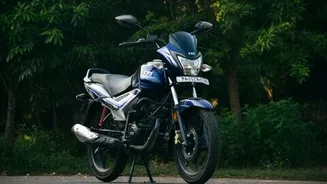
India's Ageing Motorcycle Fleet
An estimated 75 to 80 million pre-BS-IV two-wheelers are still in use across India. These vehicles were manufactured before the implementation of the Bharat Stage IV (BS-IV) emission standards, which became mandatory for all new two-wheelers from April
1, 2017. Pre-BS-IV models, particularly those with carburettor-based engines, are significant contributors to urban air pollution compared to their modern, fuel-injected counterparts. The sheer volume of these older bikes presents a complex problem: how to reduce their environmental impact without forcing millions of owners into costly, premature upgrades.
The E10 Fuel Proposal
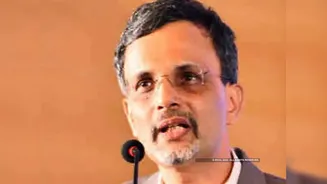
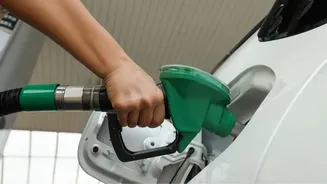
Amid India's push towards E20 (petrol with 20% ethanol), a new suggestion has emerged from the nation's Chief Economic Advisor, V Anantha Nageswaran. In a co-authored column, he proposed reintroducing E10 fuel—a blend with 10% ethanol—as a parallel option specifically for this ageing fleet. This isn't just about offering a different fuel; it's about creating a 'transition path'. The idea is to provide a lower-blend fuel that is more compatible with older engines, thus protecting the vehicles while still contributing to the country's ethanol blending goals. Industry bodies like the Society of Indian Automobile Manufacturers (SIAM) had previously warned about compatibility issues with higher ethanol blends for existing vehicles and advocated for retaining E10 as a protection-grade fuel.
The Carburettor Challenge
The core of the issue lies in technology differences. Unlike modern fuel-injected engines that can adapt to different fuel compositions, the carburettors in older bikes cannot. A carburettor is designed to mix a specific ratio of air and fuel. Ethanol contains oxygen, so a higher blend like E20 makes the mixture 'lean' (too much air for the amount of fuel). This can cause the engine to run hotter than intended, potentially leading to performance issues. Furthermore, older rubber and plastic components in the fuel lines and seals may not be rated for high ethanol concentrations, leading to degradation, swelling, and potential fuel leaks over time.
A Pragmatic Compromise
The proposal to bring back E10 is framed as a pragmatic solution rather than a step backward. Proponents argue it would calm public concern over E20's impact on older vehicles and protect the existing fleet while a long-term retrofit program could be explored. Retrofitting millions of bikes with ethanol-compatible parts is a massive logistical undertaking that would take years. Offering E10 alongside E20 allows owners of older bikes a safer option, potentially reducing overall ethanol demand slightly and easing the pressure on agricultural resources used for its production. However, the Oil Ministry has previously noted that building and maintaining infrastructure for multiple fuel grades is not feasible, presenting a significant logistical hurdle to this plan.
The Bigger Picture: Food vs. Fuel
This debate also plugs into a larger national conversation about India's ethanol policy. The push for higher blends is driven by goals to reduce crude oil imports, lower emissions, and support farmers. However, Nageswaran and others have raised concerns about the 'food-versus-fuel' trade-off. As more crops like maize and sugarcane are diverted for ethanol production, it can impact their availability for food and animal feed. The proposal to hold the mainstream blend at E20 and use E10 as a transitional fuel for older vehicles is also a call to assess the full costs—including water usage and land allocation—before pushing for even higher blends like E27 or E30.