





India's Silent Health Crisis
The push for lower-sodium salt is a response to a growing, often silent, health crisis: hypertension. India is facing an enormous burden of high blood pressure and related cardiovascular diseases (CVDs). Studies show that Indians consume far more salt than
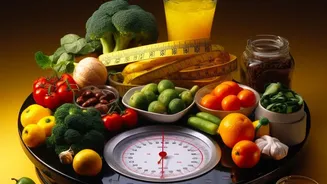
recommended. The World Health Organization (WHO) suggests a daily limit of under 5 grams, but the average intake in India is estimated to be between 8 and 11 grams per day — nearly double the safe level. This excess sodium is a primary driver of high blood pressure, which in turn leads to a higher risk of heart attacks, strokes, and kidney disease. More than one in four adults in India has hypertension, and a staggering number are unaware of their condition, making it a 'silent killer'. This has prompted bodies like the Indian Council of Medical Research (ICMR) and other medical experts to explore large-scale, preventative solutions.
What is the Lower-Sodium Salt Proposal?
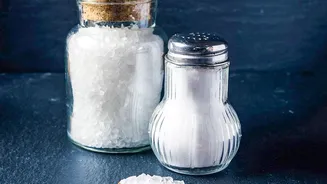
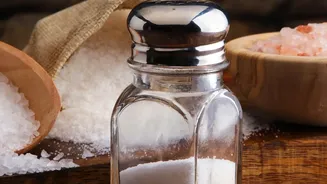
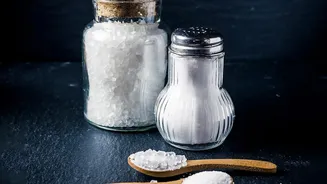
The core of the proposal is to encourage a nationwide switch from regular table salt (sodium chloride) to low-sodium salt substitutes (LSSS). These are not salt-free products, but rather blends where a portion of the sodium chloride, typically 15-30%, is replaced with potassium chloride. The idea, championed by a consensus of Indian doctors and public health experts, is to make this switch at the household level, since nearly 80% of dietary sodium in India comes from salt added during home cooking. The strategy is seen as a highly effective public health intervention because it can reduce sodium intake without requiring people to change their cooking habits or sacrifice the taste they are used to. Proponents are calling for LSSS to be integrated into national health guidelines and for the food regulator, FSSAI, to formally recognise potassium-enriched salt as an approved category.
The Science of a Simple Swap
This proposed switch works on two fronts. First, it mechanically reduces the amount of sodium consumed. Second, it increases the intake of potassium, a mineral that many Indians do not get enough of. Potassium has a counteracting effect on sodium; it helps the body excrete excess sodium and can help lower blood pressure on its own. The result is a double-win for cardiovascular health. Major international studies, like the Salt Substitute and Stroke Study (SSaSS), have provided powerful evidence for this approach. The study found that participants using potassium-enriched salt had a 14% lower risk of stroke and a 12% lower risk of premature death compared to those using regular salt. This simple dietary change has been described as a 'dietary vaccine' for hypertension, offering a passive, 24/7 form of protection.
Challenges on the Path to Change
Despite the clear health benefits, a nationwide transition faces hurdles. One major consideration is the safety for individuals with specific health conditions. People with advanced chronic kidney disease, for example, may not be able to excrete potassium efficiently, and a sudden increase could be harmful. Experts recommend clear labelling and public awareness campaigns to guide consumers. Another challenge is cost. Low-sodium salt substitutes are currently more expensive than regular salt, which could be a significant barrier for many households and for its inclusion in government food programs. Finally, there's the question of taste and consumer acceptance. While most people find the taste very similar, any perceived difference could slow adoption. Successfully scaling up this initiative will require a multi-pronged approach involving government leadership, industry cooperation, and widespread public education to ensure people understand both the benefits and the precautions.