

The All-Purpose Tomato Foundation
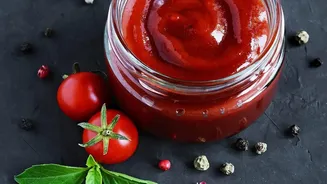
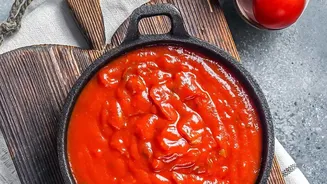
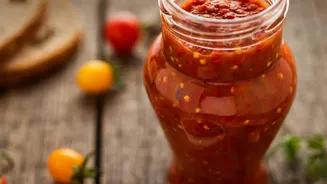
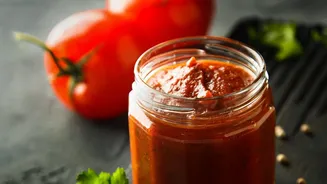
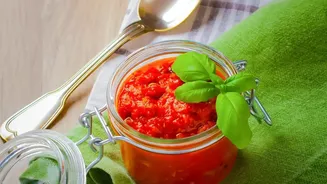
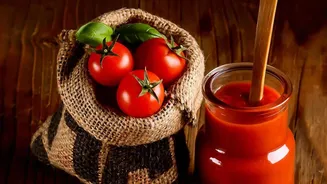
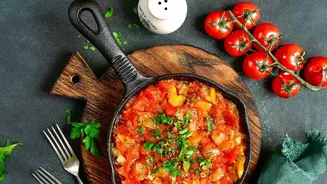
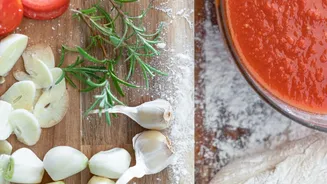
The journey into custom sauces begins with a simple, versatile classic: tomato sauce. Mastering a basic recipe provides a canvas for endless creativity. Start by gently sautéing minced garlic and finely chopped onion in olive oil until fragrant. This
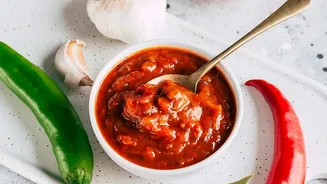
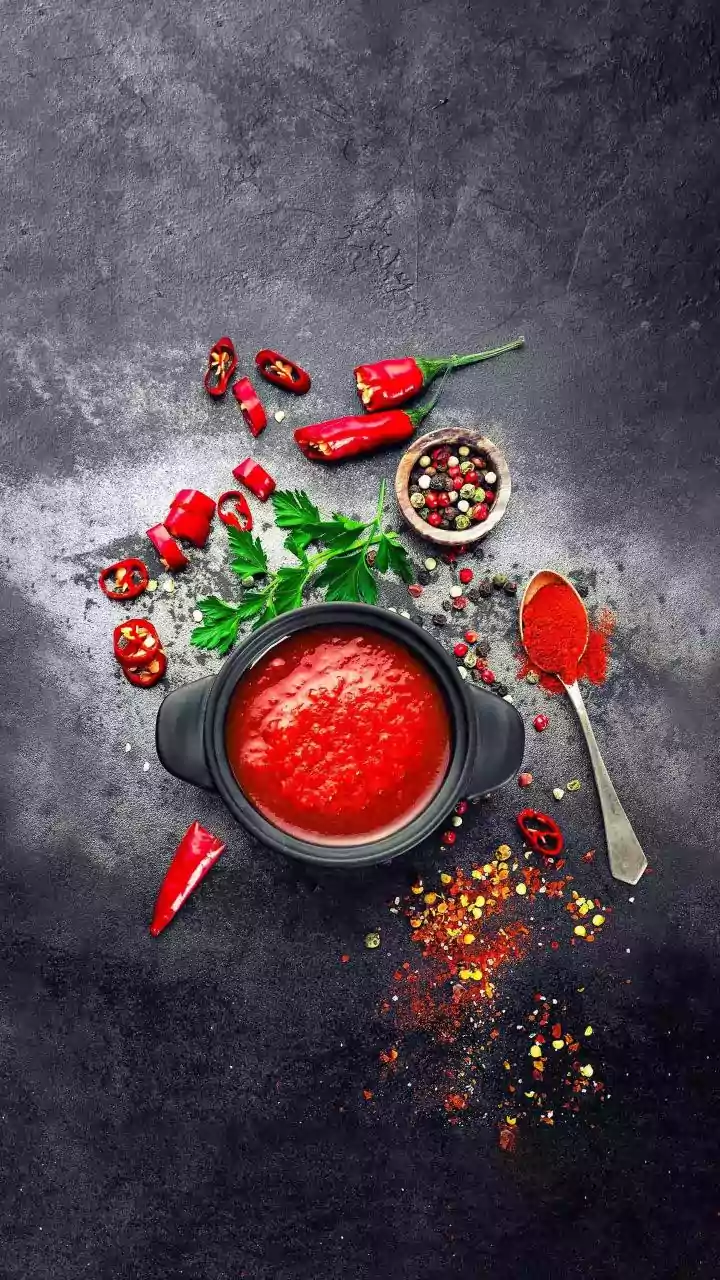
aromatic base is the foundation of deep flavour. Add a large can of quality crushed or whole peeled tomatoes, breaking them up with a spoon. A tablespoon of tomato paste will intensify the richness. A pinch of sugar can help balance the acidity of the tomatoes, while a splash of red wine or balsamic vinegar can add complexity. Let it simmer for at least 20-30 minutes to allow the flavours to meld together. This base is delicious on its own but is also ready for personalization.
Fine-Tuning for Flavour
Once you have your base, the real fun begins. Think of flavour in four key categories: sweet, salt, acid, and savoury (umami). If your sauce tastes flat, it might need a touch more salt or a splash of acid. Acidity brightens all the other flavours in a dish. A squeeze of lemon juice or a dash of vinegar can wake up a dull sauce. For a savoury depth that isn't just salt, consider adding ingredients rich in umami, like sautéed mushrooms, a dash of soy sauce, or even a parmesan rind simmered in the sauce. If the tomatoes are too acidic, a pinch of sugar or even finely grated carrot can add natural sweetness to balance it out. Don't be afraid to experiment with dried herbs like oregano and basil during simmering, and finish with fresh herbs at the end for a burst of fresh flavour.
Adapting for Dietary Needs
One of the greatest advantages of homemade sauce is total control over ingredients. For a low-sodium diet, skip the salt and lean heavily on aromatics like garlic, onion, and a variety of salt-free spice blends. You can build remarkable depth with smoked paprika, cumin, and dried thyme. When creating creamy sauces without dairy, the options are plentiful. Soaked and blended raw cashews create a rich, neutral base perfect for a vegan alfredo. Blended white beans or even pureed cauliflower can also provide a creamy texture packed with fibre and nutrients. For richness, full-fat coconut milk or cream is an excellent substitute for heavy cream in pan sauces, especially those with South Asian or Thai-inspired flavours.
Winning Over Picky Eaters
The customisability of homemade sauce makes it a powerful tool for families with picky eaters. If texture is an issue, an immersion blender is your best friend. You can blend the sauce until it’s perfectly smooth, eliminating any dreaded chunks of onion or tomato. This is also a perfect opportunity to 'hide' extra nutrition. Finely shredded and well-cooked zucchini, carrots, or bell peppers can be blended into a tomato sauce, adding vitamins and natural sweetness without being detected. For children who are resistant to sauces altogether, try serving a small amount on the side for dipping. This gives them control and makes the new food less intimidating. Introducing a familiar flavour, like a sprinkle of parmesan cheese, can also help bridge the gap.
Beyond the Tomato: Vinaigrettes
The principle of customisation extends to all sauces, including salad dressings. A basic vinaigrette follows a simple ratio, which you can adjust to your personal preference. A common starting point is three parts oil to one part acid (like vinegar or citrus juice), but this is not a strict rule. For a milder dressing, use a 3:1 oil-to-acid ratio; for a sharper one, move closer to 2:1 or even equal parts. From there, the variations are endless. Whisk in a teaspoon of Dijon mustard to help emulsify the dressing (keeping the oil and vinegar mixed) and add a tangy depth. Minced shallots, garlic, a touch of honey or agave for sweetness, and any combination of fresh or dried herbs can transform your simple dressing into a signature creation.