








Understanding the 5.32% Figure
Recent data for June 2026 confirmed that India's Consumer Food Price Index (CFPI) inflation stood at 5.32% year-on-year. This means that the basket of food items an average family buys cost 5.32% more than it did in the same month last year. While the overall
retail inflation was 4.38%, the higher food-specific number indicates that essentials are a key driver of rising household costs. This increase is particularly noticeable in categories like vegetables, which are often affected by weather, transportation costs, and local market supply and demand. For many families, this translates to tougher choices in the market and a tighter monthly budget.
What Are Seasonal Swaps?
The concept is simple: instead of buying whatever produce you want, whenever you want it, you choose fruits and vegetables that are naturally harvested during the current season. This practice, often called seasonal eating, has major benefits. When a vegetable is in season, it is abundant. Farmers have a large harvest, and this surplus drives prices down. Conversely, buying produce out of season means it has likely been grown in a greenhouse, stored for long periods, or transported from far away—all of which add to the cost. Seasonal produce is not only cheaper but also fresher, more flavourful, and often more nutrient-dense because it is picked at its peak.
Your Monsoon Season Shopping Guide
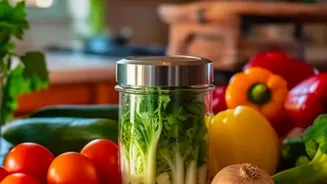
With the monsoon season (June to September) in full swing, Indian markets are overflowing with specific types of produce. This is the perfect time to practice seasonal swaps. Instead of reaching for expensive, cold-weather vegetables like cauliflower or carrots, which may be of lower quality this time of year, embrace the monsoon bounty. Swap pricey bell peppers for crisp cucumbers (kheera). Choose gourds of all kinds: bottle gourd (lauki), ridge gourd (tori), pointed gourd (parwal), and bitter gourd (karela) are all excellent choices. These vegetables are perfectly suited to monsoon-based cuisines and are available at a fraction of the cost of their out-of-season counterparts. Tomatoes and bhindi (okra) also grow well during this time.
Don't Forget the Fruits
The seasonal swap strategy extends to fruits as well. While apples and oranges might be available year-round, they are not monsoon fruits. This season is the time for jamun (black plum), peaches, and litchis. These fruits are at their juiciest and most affordable during the rains. Making a conscious choice to buy these over imported or cold-storage fruits can lead to significant savings on your grocery bill while adding variety to your diet.
Tips for Smart Seasonal Shopping
Making seasonal swaps a habit is easy with a few practical tips. First, trust your local sabziwala or market vendor. They are on the front lines and know exactly what is fresh, abundant, and well-priced. Second, use your eyes; look for the vegetables that are piled high at the mandi. This abundance is a clear sign of seasonality and lower cost. Third, try planning your weekly meals around what is in season, rather than creating a fixed menu and then hunting for ingredients. This flexibility is key to saving money. Finally, explore traditional and regional recipes. Many Indian cuisines are inherently seasonal, offering delicious and time-tested ways to cook with the monsoon harvest.