



Understanding the New Visa-Free Rule
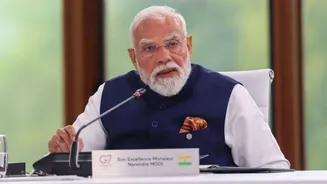
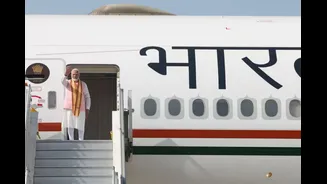
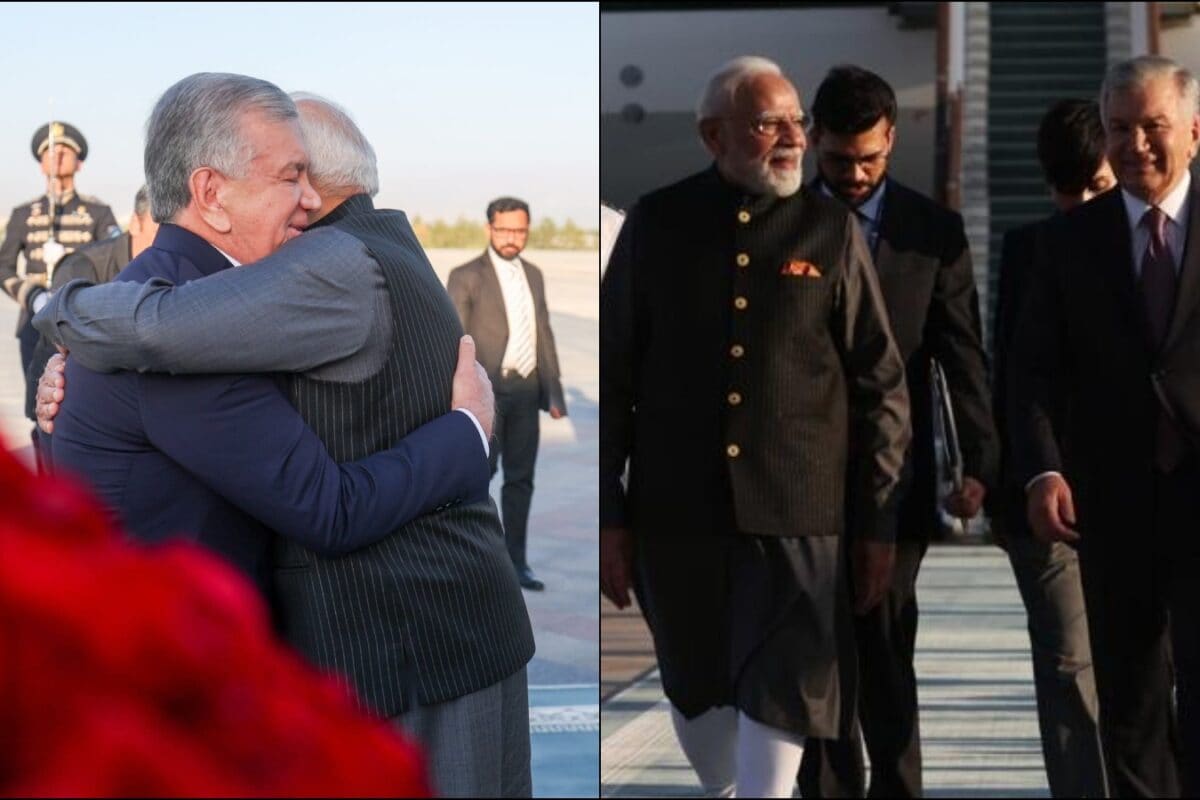
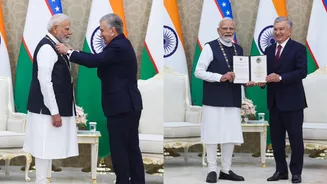
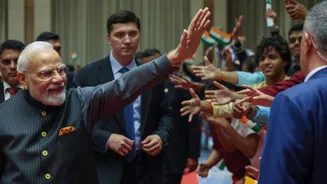
In a significant move to boost tourism and strengthen ties, Uzbekistan has introduced a 30-day visa-free regime for Indian citizens. Announced on August 30, 2026, during Indian Prime Minister Narendra Modi's state visit to Tashkent, the policy allows
Indian passport holders to enter the country for up to a month without a prior visa. This decision replaces the previous e-visa system for many travellers and is expected to simplify travel for tourism, business, and cultural exchange. While the new rule makes access much easier, travellers are advised to confirm the official start date and check requirements regarding passport validity and proof of onward travel before booking their trips.
Why Visit? A Crossroads of History
Uzbekistan is the historical and cultural heart of Central Asia, a land filled with the magnificent architecture of the Silk Road. Its cities—Samarkand, Bukhara, and Khiva—are living museums, filled with mosques, mausoleums, and madrasas adorned with intricate blue tilework. The country offers a unique blend of Persian, Mongol, and Soviet influences, creating a destination that feels both familiar and exotic. For Indian travellers, there are deep-rooted historical connections, including ties to the Mughal Empire's founder, Babur. Beyond the history, the nation boasts vibrant bazaars, a rich culinary tradition featuring dishes like Plov and Manti, and warm hospitality.
Tashkent: The Modern Gateway
Most journeys begin in Tashkent, the nation's capital. A sprawling city of wide avenues and green parks, Tashkent is a blend of Soviet-era architecture and modern development. A must-see is the Khast-Imam complex in the Old Town, which houses one of the world's oldest existing Qurans. The Chorsu Bazaar is a bustling, domed market where you can find everything from spices and fresh produce to traditional crafts. A ride on the Tashkent Metro is also an experience, with each station decorated in its own unique, ornate style, much like a subterranean art gallery.
Samarkand: Jewel of the Silk Road
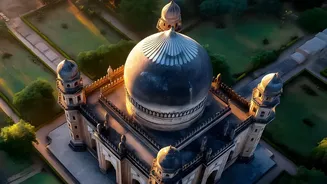
No trip to Uzbekistan is complete without visiting Samarkand, one of the oldest continuously inhabited cities in Central Asia. Its most iconic site is Registan Square, a breathtaking ensemble of three grand madrasas that has mesmerized travellers for centuries. Other essential stops include the Gur-e-Amir, the mausoleum of the conqueror Timur (Tamerlane); the Bibi-Khanym Mosque; and the Shah-i-Zinda necropolis, a stunning avenue of mausoleums. The city's name alone evokes images of romance and history, and it does not disappoint.
Bukhara and Khiva: Living History
Bukhara and Khiva offer a more intimate glimpse into the past. Bukhara's city center is a UNESCO World Heritage site, with a more compact and preserved old town that feels like stepping back in time. Key sights include the Kalyan Minaret, the Ark Citadel, and the Samanid Mausoleum. Khiva, located further west, is a fortified city with sand-colored walls protecting a maze of mosques, palaces, and homes. Its Ichan Kala (inner town) is so well-preserved that it feels like an open-air museum, especially at sunrise and sunset when the ancient stones glow.
Planning Your Uzbek Adventure
The best times to visit Uzbekistan are during the spring (March to May) and autumn (September to October), when the weather is mild and pleasant for sightseeing. Summers are extremely hot, and winters can be very cold. Getting there is straightforward, with airlines like Uzbekistan Airways and IndiGo offering direct flights from major Indian cities like Delhi and Mumbai to Tashkent. The flight duration from Delhi is just over three hours. Once there, high-speed trains connect the major tourist cities of Tashkent, Samarkand, and Bukhara, making travel within the country efficient and comfortable.