



The Science of Ripening
The key to understanding why your bananas are turning brown so fast lies in a simple, invisible force: ethylene gas. Ethylene is a natural plant hormone produced by many fruits that regulates the ripening process. Think of it as a signal that tells the fruit to get
softer, sweeter, and more aromatic. Fruits are generally categorized in two ways: those that produce a lot of ethylene and those that are sensitive to it. Bananas are famous for being major ethylene producers, which is why they can ripen so dramatically on their own. But when you place them next to other fruits, a powerful chain reaction can begin.
Meet the Ethylene Producers
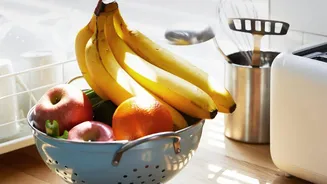
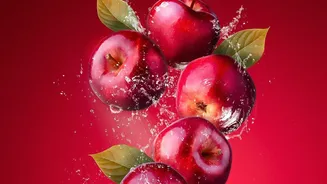
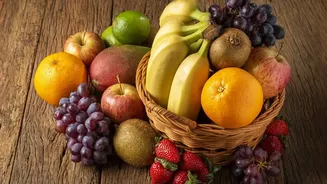
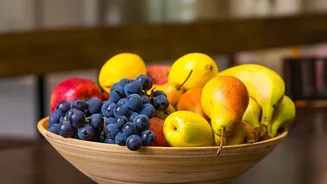
Bananas are not the only culprits in the fruit bowl. A number of popular fruits are also high ethylene producers, and storing them together creates a concentrated cloud of this ripening gas. Apples are one of the most significant emitters, along with pears, peaches, cantaloupe, avocados, and tomatoes. When you pile these fruits into a single bowl, you're essentially creating a ripening chamber. The combined ethylene output signals all the sensitive fruits in the mix to accelerate their journey from fresh to overripe, often much faster than you’d like. This is why a perfectly good pear can go from firm to mushy overnight when snuggled up next to a bunch of bananas and an apple.
How to Slow Down Ripening
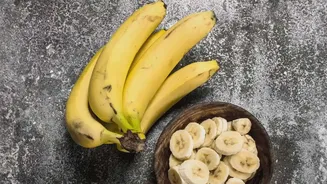
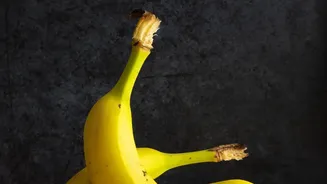
If you want your bananas to last longer, the solution is simple: give them some space. Storing bananas by themselves on a countertop, away from other fruits, is the most effective strategy. You should also keep them away from warm spots like near an oven or in direct sunlight, as heat also speeds up the ripening process. For an extra layer of control, you can separate the bananas from each other and even wrap the stems of the bunch in foil or plastic wrap. The stems are where much of the ethylene gas is released, so containing it at the source can add days to their shelf life. Another option for ripe bananas is the refrigerator. While the peel will turn dark brown or black due to the cold temperature affecting enzymes in the skin, the fruit inside will remain perfectly edible and firm for several more days. Just be sure not to refrigerate them before they are ripe.
When You Need to Ripen Fruit Fast
Of course, sometimes you have the opposite problem—a rock-hard avocado or a stubbornly green peach that you want to eat sooner rather than later. In these cases, you can use the power of ethylene to your advantage. To speed up ripening, do the exact opposite of what you'd do to preserve your bananas. Place the under-ripe fruit in a paper bag with a ripe banana or an apple. The bag will trap the ethylene gas, concentrating its effects and encouraging the firm fruit to soften and sweeten much more quickly. Check on it daily, as this method can work surprisingly fast. This trick is a go-to for ripening avocados, mangoes, pears, and stone fruits.
Organizing Your Fruit for Longevity
The best long-term strategy is to think of your fruit storage in zones. Keep the high-ethylene producers—apples, ripe bananas, pears, and peaches—separate from ethylene-sensitive produce. Fruits like grapes, berries, and citrus (oranges, lemons, limes) are not major ethylene producers and are less affected, but they can still benefit from proper storage. Vegetables are particularly vulnerable. Storing ethylene-producing fruits next to things like broccoli, carrots, cucumbers, or leafy greens can cause them to yellow, wilt, or spoil prematurely. By being mindful of which fruits are friends and which are foes in the fruit bowl, you can extend the life of your produce, enjoy it at peak freshness, and reduce food waste in your kitchen.