







The Physical Backbone of Progress
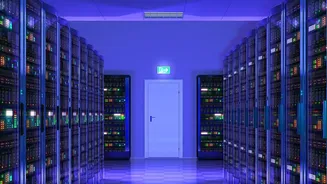
Behind every large language model and generative AI tool is a massive, power-hungry data center. These facilities are the physical reality of the cloud, housing tens of thousands of specialized processors that work in concert. As AI models become more
sophisticated, their demand for computational power and data explodes. This has shifted focus from purely software-based solutions to the underlying hardware and infrastructure that make it all possible. The performance of an AI system is no longer just about the elegance of its code; it's equally dependent on the speed of the processors, the efficiency of the cooling systems, and the bandwidth of the network connecting everything together. This physical constraint is where a new world of career opportunities is opening up, moving beyond the familiar path of the AI and machine learning engineer.
The Architects of AI Hardware
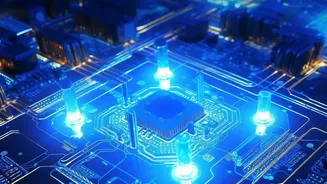
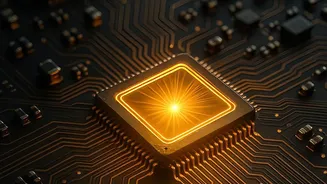
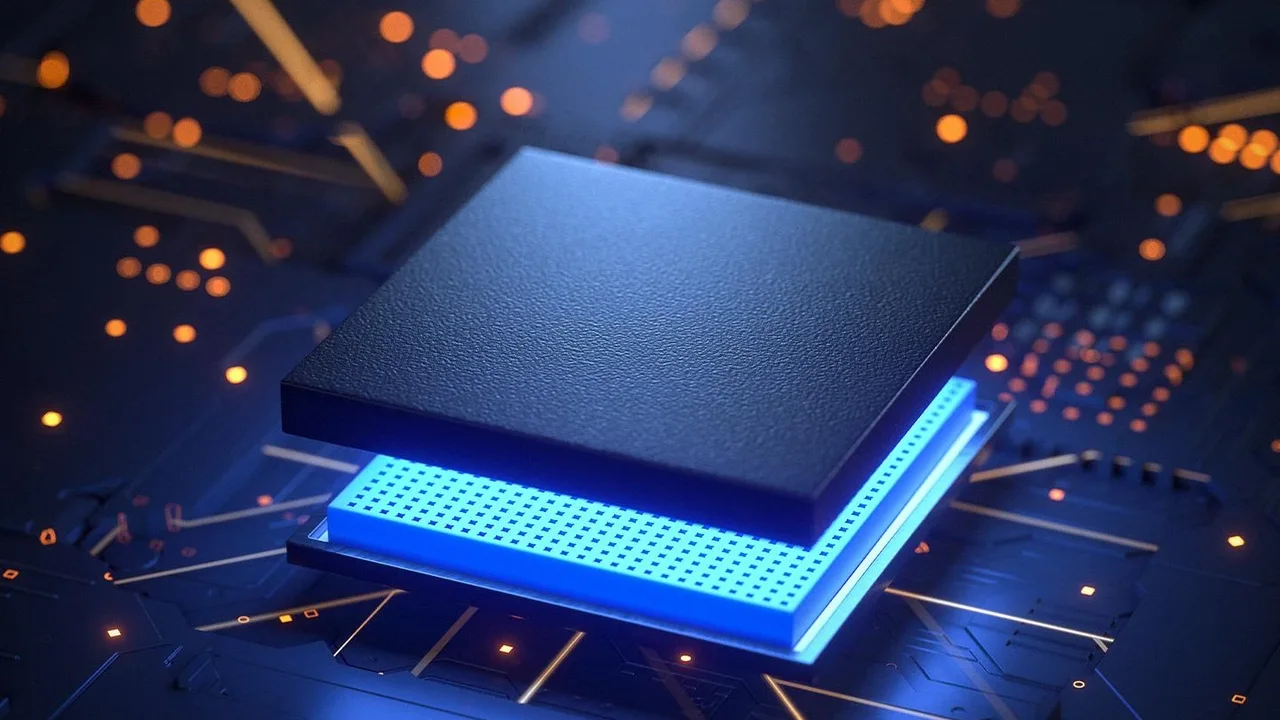
At the core of the AI hardware boom are the chips themselves. Companies are in a race to design, build, and optimize processors specifically for AI workloads, like GPUs and other custom silicon. This has ignited demand for AI Hardware Engineers, Silicon Design Engineers, and specialists in computer architecture. These professionals work on creating the next generation of chips that can handle the parallel processing required for deep learning. Their roles involve everything from microarchitecture design to ensuring power efficiency and security at the chip level. It's a field that requires a deep understanding of electrical engineering and computer science, focusing on creating tangible products that directly accelerate AI capabilities. Job boards are increasingly filled with titles like 'AI Hardware Architect' and 'SoC Performance Engineer', signaling a robust and growing specialization.
The Network as the Nervous System
A data center full of powerful processors is useless if they can't communicate with each other at lightning speed. This is where networking professionals become indispensable. We are not talking about standard office IT; AI data centers require massive, high-bandwidth, low-latency networks, often called 'AI fabrics'. Roles like Data Center Network Engineer and Network Architect are crucial for designing and deploying these complex systems. These experts work on creating spine-leaf architectures and configuring high-speed switches capable of handling immense data flows between thousands of GPU servers. Companies like OpenAI and Supermicro are actively hiring for technicians who can translate network blueprints into physical reality, performing tasks like fiber optic testing, cable routing, and equipment turn-up in massive data center campuses.
The Hands-On Heroes of the Data Center
While architects design the systems, another group of professionals keeps them running day-to-day. Data Center Technicians are the on-the-ground workforce responsible for the physical health of AI infrastructure. Their tasks are hands-on and critical: installing and commissioning racks of servers, managing cabling, replacing failed components, and monitoring power and cooling systems. As AI workloads push data centers to their limits, the demand for skilled technicians has surged, with some analyses showing that data center job postings have more than doubled in just a couple of years. These roles are becoming increasingly specialized, with a focus on GPU-dense environments and high-performance computing (HPC). It's a vital, accessible entry point into the AI industry that doesn't require a PhD in machine learning but does demand strong technical and problem-solving skills.
Building the Right Skills for an Infrastructure Career
The pathway into an AI infrastructure career looks different from that of a software-focused role. While Python and machine learning frameworks are key for AI engineers, hardware and networking roles demand a different toolkit. Aspiring hardware engineers should focus on computer architecture, digital logic design, and semiconductor physics. For networking roles, expertise in routing protocols, fiber optics, and network security is paramount, with a deep understanding of data center network design. For technician roles, experience with server hardware, structured cabling, and critical facilities operations (like power and cooling) is highly valued. Many companies offer trainee programs, providing a structured path into data center operations for those with foundational technical skills. The common thread across all these roles is a problem-solving mindset and the ability to work with tangible, mission-critical systems where uptime is everything.