



The Importance of Fibre
Before we dig into the vegetables themselves, it’s worth remembering why fibre is so crucial. Dietary fibre, found mainly in fruits, vegetables, and whole grains, is best known for promoting digestive regularity. A high-fibre diet can help prevent constipation
and maintain bowel health. But its benefits extend further. Soluble fibre can help lower cholesterol levels, and a fibre-rich diet can aid in stabilising blood sugar, which is particularly important for individuals with diabetes. Furthermore, high-fibre foods tend to be more filling, which can help with weight management by promoting a feeling of fullness and preventing overeating. Experts recommend that most adults aim for 25-38 grams of fibre per day, a target many people don't meet. Incorporating more root vegetables is a simple and effective strategy to close that gap.
1. Sweet Potato (Shakarkandi)
Often celebrated for its sweet taste, the sweet potato is a nutritional powerhouse. A single medium-sized sweet potato can provide around 4 to 6.6 grams of fibre, a significant portion of your daily needs. It's an excellent source of complex carbohydrates, which release energy slowly and steadily. Sweet potatoes are famously rich in beta-carotene, an antioxidant that the body converts into vitamin A. This vitamin is essential for good vision, a healthy immune system, and skin health. Unlike many trendy health foods, sweet potatoes are versatile and affordable. They can be roasted, boiled, mashed, or baked into both savoury and sweet dishes. Roasting them whole brings out their natural sweetness and makes for a simple, satisfying side dish.
2. Beetroot (Chukandar)
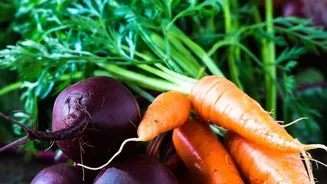
Known for its vibrant colour and earthy flavour, beetroot is another fantastic source of fibre, offering about 2-3 grams per 100-gram serving. This vegetable is also packed with essential nutrients like folate, manganese, potassium, and vitamin C. The deep red colour comes from antioxidants called betalains, which help protect cells from damage. Beetroot also contains natural nitrates, which have been associated with improved blood flow and lower blood pressure. It can be enjoyed raw and shredded in salads, pickled, or roasted, which softens its texture and deepens its flavour. You can even boil it and blend it into soups or dips for a colourful and nutritious boost.
3. Carrot (Gajar)
Carrots are one of the most popular and versatile root vegetables for good reason. A 100-gram serving provides around 3.6 grams of dietary fibre. They are famously rich in beta-carotene, a compound that gives them their bright orange colour and which the body converts into vitamin A. This makes carrots excellent for supporting vision and immune function. They also contain vitamin K and potassium. Carrots are low in calories and have a high water content, making them a satiating snack whether eaten raw or cooked. They can be shredded into salads, added to stews and soups, or roasted with a little oil and herbs until tender and slightly caramelised for a delicious side dish.
4. Turnip (Shalgam)
The turnip is an often-underestimated vegetable that deserves more credit. A one-cup serving of raw turnips contains about 2.3 grams of fibre and is very low in calories. As a cruciferous vegetable, it's related to broccoli and kale and shares some of their nutritional benefits. Turnips are a good source of vitamin C, which supports the immune system, as well as vitamin K and potassium. They contain compounds called glucosinolates, which are being studied for their health-protective properties. Turnips have a slightly peppery flavour when raw but become milder and sweeter when cooked. They can be mashed like potatoes, added to hearty stews, or roasted alongside other root vegetables.
5. Radish (Mooli)
Especially popular in Indian cuisine, the white radish or mooli is another excellent, low-calorie way to increase your fibre intake. A 100-gram serving provides about 1.6 grams of fibre. Radishes have a high water content, making them hydrating, and they provide a good amount of vitamin C. They are also a source of potassium, which can help manage blood pressure. Radishes are known for their pungent, peppery taste when raw, adding a crisp crunch to salads and pickles. In many Indian households, mooli is famously used to make stuffed parathas or cooked into flavourful curries, which mellows its sharp taste. Its leaves are also edible and nutritious.