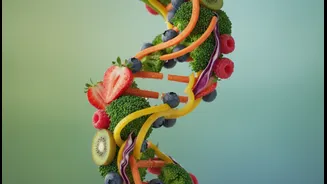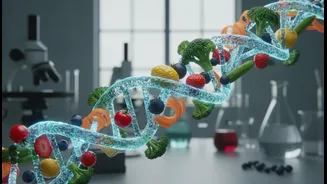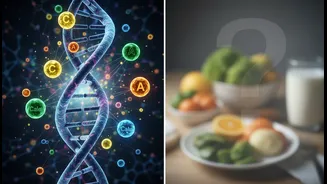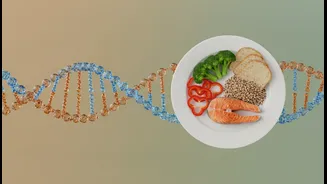







The Allure of the Genetic Blueprint
In a world of countless diet trends, the promise of a plan based on your own DNA feels like the ultimate shortcut to wellness. Companies offering these direct-to-consumer tests suggest they can decode your body's secrets, telling you whether you should
eat low-carb, how you metabolise caffeine, or if you have a predisposition for certain vitamin deficiencies. The appeal is obvious—it replaces confusing, one-size-fits-all advice with a seemingly foolproof plan tailored just for you. This has led to a booming market for nutrigenomics, the study of how genes and nutrients interact.
What Your Genes Can Actually Suggest
A DNA nutrition test analyses specific genetic variations, or SNPs (single nucleotide polymorphisms), that are associated with certain health traits. For example, a test might accurately identify a genetic likelihood for lactose intolerance, a higher sensitivity to caffeine, or a predisposition to celiac disease. It might also highlight genetic factors that influence how your body processes nutrients like folate or vitamin B12. This information can be a helpful starting point, providing clues about potential sensitivities or nutritional needs that you might not have been aware of. However, it's crucial to remember that these are predispositions, not certainties.
The Missing Pieces of the Puzzle
Your DNA is not your destiny, and it is certainly not the only factor determining your health. Genetic tests cannot account for the vast majority of variables that shape your well-being. They do not measure your current health status, your activity levels, stress, sleep quality, or existing medical conditions. Crucially, they ignore your gut microbiome—the trillions of bacteria in your digestive system that play a massive role in how you process food. They also don't account for epigenetics, which refers to how your behaviours and environment can cause genes to be expressed or silenced. An eating plan based solely on a genetic report misses this entire landscape of your current life and health.
Why Lifestyle Still Reigns Supreme
While genetics can provide interesting insights, most health experts agree that your daily habits have a far greater impact on your health. For example, your DNA report might suggest a genetic risk for high cholesterol, but this doesn't automatically mean you will have high cholesterol. A healthy lifestyle—rich in whole foods, regular exercise, and low in processed items—can often override genetic predispositions. The foundational principles of good nutrition, such as eating a variety of fruits and vegetables, lean proteins, and healthy fats, benefit nearly everyone, regardless of their specific genetic makeup. These fundamental habits are more powerful than any single gene.
Using a DNA Report the Smart Way
If you do decide to get a DNA test, think of it as a single data point, not a complete prescription. The science of nutrigenomics is still an emerging field, and many claims made by testing companies are not yet strongly supported by scientific consensus. The most effective way to use this information is in conversation with a qualified professional, like a registered dietitian. A dietitian can help you interpret the results, separating the well-established science from the more speculative claims. They can integrate any useful genetic insights into a holistic plan that considers your goals, food preferences, budget, and overall lifestyle.