


The Gujarati Foundation
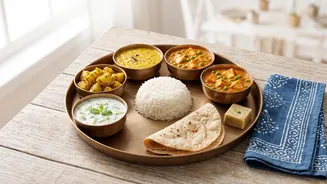
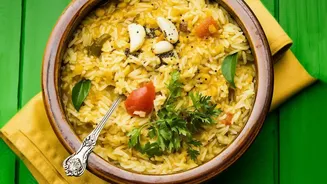
At its heart, the Prime Minister's diet is rooted in the simple, vegetarian cuisine of his home state, Gujarat. A preference for light, home-cooked meals is a recurring theme. Dishes like khichdi, a comforting mix of rice and lentils, are reportedly a staple.
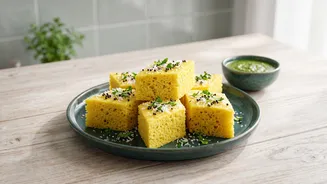
Other Gujarati favourites, such as the tangy tomato curry Sev Tameta nu Shaak and steamed snacks like dhokla, also feature in his preferred food list. This adherence to his culinary roots paints a picture of a leader who, despite his global stature, remains connected to his origins through the simple act of eating.
A Model of Discipline
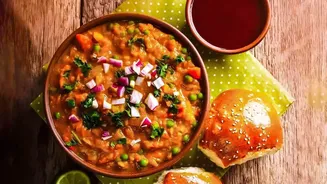
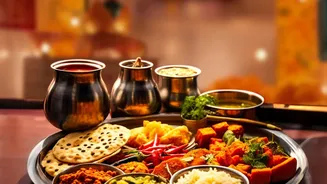
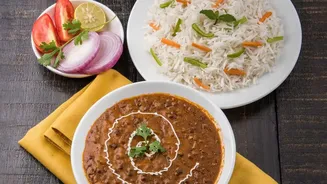
Beyond specific dishes, PM Modi's eating habits are widely reported to be a testament to his disciplined lifestyle. He is known to favour a 'sattvik' diet, which emphasizes light, nutritious, and easy-to-digest foods. His meals are typically balanced with seasonal vegetables, dal, and rotis, while avoiding excessively oily or spicy preparations. This disciplined approach extends to his daily routine, which reportedly begins with warm water and includes light breakfast options like poha or upma. This focus on moderation and nourishment is often cited as a key factor behind his high energy levels, which are necessary to maintain a demanding schedule.
The Power of Fasting
A significant aspect of PM Modi's dietary regimen is his long-standing practice of fasting. For decades, he has observed the twice-yearly Navratri fasts. His discipline during these periods is notable; during one Navratri, he reportedly consumes only warm water, while during the other, he eats just one type of fruit per day for nine days. He has also spoken about observing Chaturmas, a four-month period where he restricts himself to one meal a day. He views fasting not as a hardship but as a tool for sharpening the senses, enhancing mental clarity, and strengthening self-discipline.
The Millet Mission
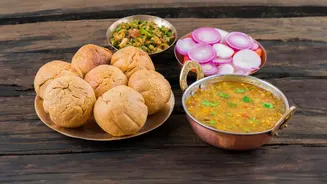
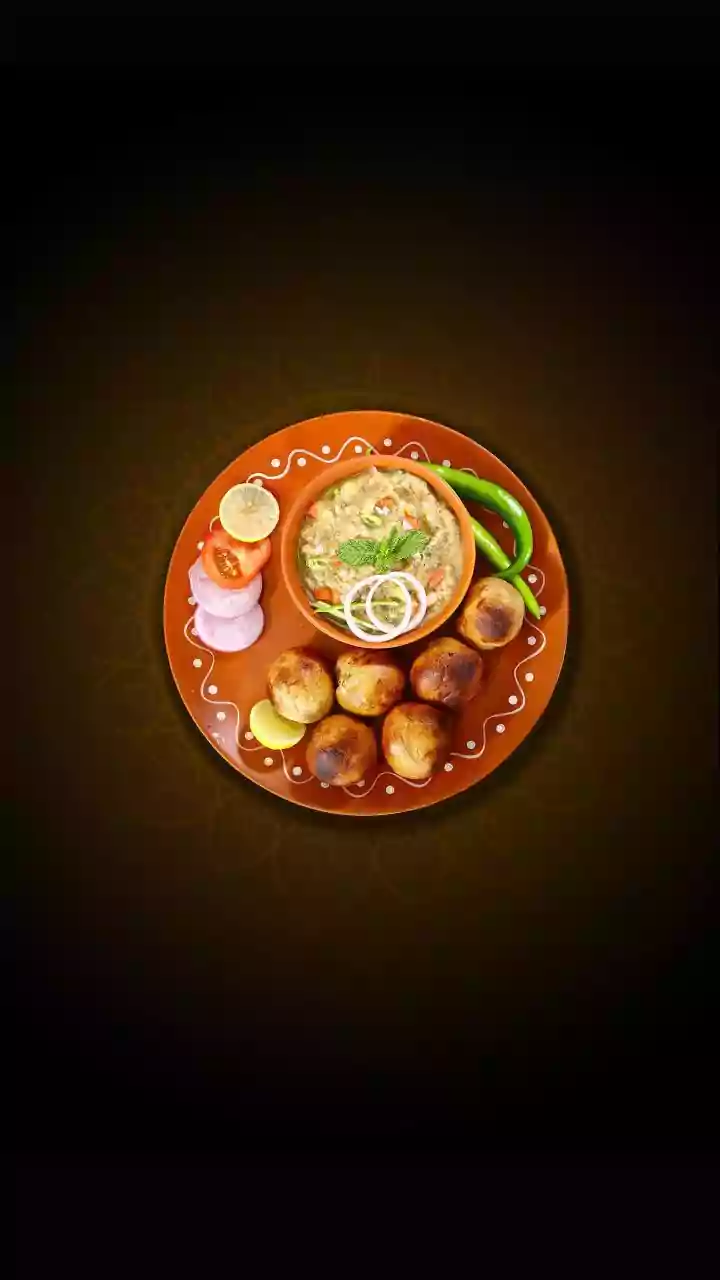
In recent years, PM Modi's diet has become a powerful extension of his policy. He has become a global ambassador for millets, championing these ancient grains as 'Shree Anna' or the 'mother of all grains'. His personal diet often includes millets like bajra (pearl millet) and jowar (sorghum), which he promotes for their nutritional benefits and climate resilience. This advocacy was central to the United Nations declaring 2023 as the International Year of Millets, a proposal pushed by India. By incorporating millets into state dinners and even the meals for India's armed forces, the Prime Minister's personal food choice has transformed into a national and international mission for food security and sustainable agriculture.
Nutrient-Packed Superfoods
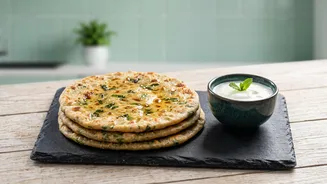
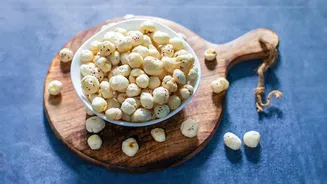
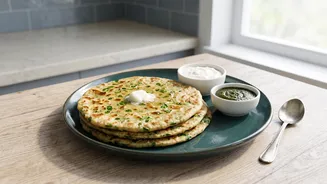
Alongside his staples, PM Modi has also highlighted specific 'superfoods' that are part of his routine. He has mentioned his frequent consumption of moringa (drumstick) parathas, praising the leaves for their rich antioxidant properties. Another favourite is makhana (fox nuts), a light, protein-rich snack he reportedly eats on most days of the year. These choices underscore a diet that is not just about tradition, but also about a conscious selection of nutrient-dense ingredients that support overall health and well-being. By speaking about these foods, he brings national attention to indigenous crops and their benefits.