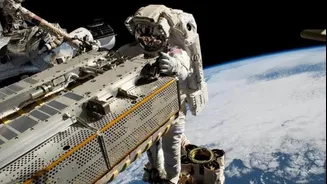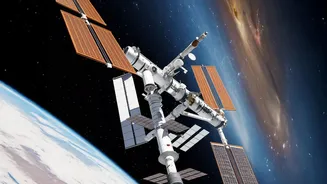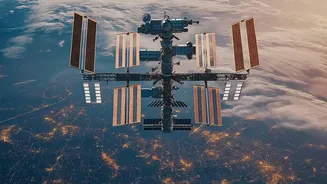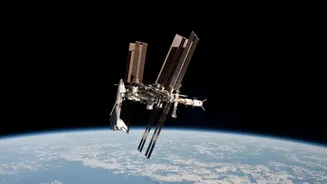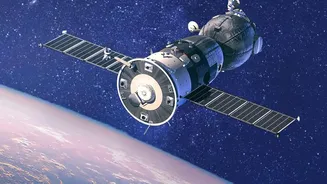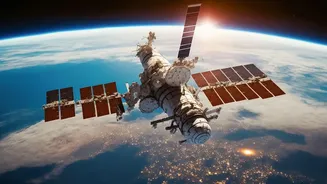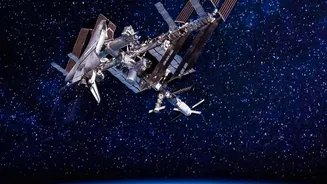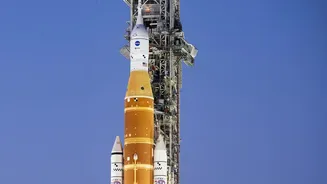


Have you ever dreamed of walking on the Moon? For the first time since 2024, NASA is making that dream a tangible possibility, opening applications for its next class of astronauts to lead humanity back to the stars under the Artemis program.
A New Call for a New Era
NASA announced
on November 7, 2026, that it is officially seeking applicants for its next astronaut candidate class, with a firm deadline of December 3. This isn't just another hiring round; it's a search for the 'Artemis Generation'—the individuals who will help establish a permanent human presence on the Moon and lay the groundwork for the first crewed missions to Mars. The last call for applicants in 2024 drew over 8,000 hopefuls, from which only 10 were selected in 2025. The competition is famously fierce, but the mission is more ambitious than ever. The individuals selected in this round could be among the first to live and work at a lunar base.
The Right Stuff: 2026 Edition
So, what does it take to become an Artemis astronaut? The foundational requirements are strict. Applicants must be U.S. citizens and hold a master's degree from an accredited institution in a STEM field, such as engineering, biological science, physical science, or computer science. However, NASA offers alternative paths. Two years of work toward a relevant doctoral program, a completed Doctor of Medicine (or related medical degree), or completion of a recognized Test Pilot School program by July 2027 are also acceptable substitutes for a master's degree. Additionally, candidates must have at least three years of related professional experience post-degree and be able to pass NASA's rigorous long-duration flight astronaut physical.
Pilots, Doctors, and Scientists
Beyond the academic baseline, specific professional experience can set an applicant apart. For pilots, the requirements are exacting: 750 hours of pilot-in-command time in a high-performance jet or more extensive experience in other types of aircraft. For medical doctors, the time spent in residency can count toward the three-year experience mandate, provided it's completed by July 2027. This blend of qualifications highlights the diverse skill set needed for the Artemis missions, which will involve complex scientific research, advanced vehicle operations, and maintaining the health of the crew in deep space. The agency is looking for leaders, team players, and communicators ready for the challenges of long-duration missions far from home.
Why This Is the Artemis Generation
The Artemis program is NASA's grand vision for the next chapter of human space exploration. Unlike the Apollo missions, which were short term visits, Artemis aims for a sustained presence. This involves returning to the Moon, building a permanent lunar base, and using the experience gained there as a stepping stone to Mars. The Artemis I and II missions have already successfully tested the hardware and flown a crew around the Moon. Future astronauts will conduct lunar geology, test new technologies, and help build the infrastructure for long term habitation. This makes the role of an Artemis era astronaut fundamentally different—they are not just visitors, but pioneers and builders on a new frontier.
The Long Road to the Launchpad
Submitting an application is just the first step on a very long journey. NASA's Astronaut Selection Board will review thousands of entries to identify a small group of the most qualified candidates for interviews at Johnson Space Center in Houston. From there, a second round of interviews will narrow the pool even further. NASA expects to announce the final selections in late 2027. Those chosen will become 'astronaut candidates' (ASCANs) and begin an intensive two year training program covering everything from spacewalking and robotics to high performance jet flight and lunar science, preparing them for the missions that will define humanity's future in space.