



The Numbers Behind the Shortage
On October 6, 2026, the IRSA Advisory Committee officially approved the projection of a 22% irrigation water shortfall for the Rabi season, which runs from October to March. This shortage will be borne entirely by Pakistan's two largest provinces, Punjab
and Sindh. The committee estimates total water availability to be around 29.18 million acre-feet (MAF), against provincial demands that are significantly higher. Specifically, Punjab has been allocated 15.56 MAF and Sindh 11.74 MAF to weather the deficit. Smaller provinces like Balochistan and Khyber Pakhtunkhwa have been exempted from the cuts under the current distribution formula.
Why Is This Happening?
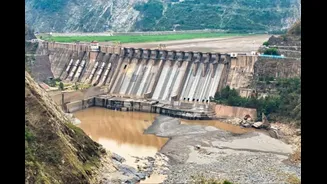
The crisis is rooted in a combination of factors, primarily lower-than-expected water inflows and critically low reservoir levels. The preceding Kharif season saw river inflows that were 8% below projections and a staggering 22% lower than the previous year. Consequently, water storage in the country’s major reservoirs, Tarbela and Mangla, stood at 9.343 MAF on September 30. This is a sharp decline from the 13.214 MAF available at the same time last year and is also below the ten-year average. Compounding the issue are significant delays in key infrastructure projects at the Tarbela Dam, specifically the Tunnel-4 and Tunnel-5 projects. These delays have restricted the dam's storage capacity, preventing over 3 MAF of water from being stored and aggravating the supply situation.
Threat to the Wheat Harvest
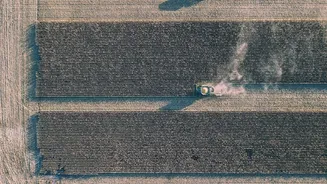
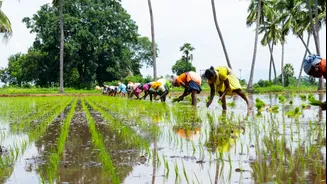
The timing of this water shortage is particularly alarming because the Rabi season is when Pakistan grows its most important staple crop: wheat. Both Punjab and Sindh are the country's primary wheat-producing regions, and their agricultural output is vital for national food security. An unreliable supply of irrigation water can force farmers to either spend more on pumping groundwater, which increases their costs, or accept lower crop yields. This situation is especially concerning as Pakistan already faced a wheat shortfall of over two million tonnes in the previous season, despite having no projected water shortage at the time. That deficit forced the government to order the import of one million tonnes of wheat. A repeat of poor harvests could exacerbate food inflation, with flour prices in September already up by over 30% year-on-year.
Managing the Crisis
In response, IRSA has laid out a water distribution plan for the provinces and will review the situation periodically as the season progresses. The authority has also approved a planned closure of the Chashma Barrage for 21 days, from December 26 to January 14, to manage flows in coordination with provincial canal closure programs. Furthermore, IRSA has sternly urged the Water and Power Development Authority (WAPDA) to expedite the completion of the delayed Tarbela Dam projects, which have been a contributing factor to water shortages in past seasons as well. However, the deep-seated nature of the problem—spanning climate-driven low river flows, infrastructure delays, and inter-provincial water politics—presents a formidable challenge. For farmers on the ground, the immediate future involves making difficult decisions to navigate a season of scarcity.