

A Global Celebration with Indian Fervour
World Space Week is an annual global event declared by the United Nations to celebrate the contributions of space science and technology to the human condition. The dates commemorate two pivotal moments: the launch of the first human-made Earth satellite,
Sputnik 1, on October 4, 1957, and the signing of the Outer Space Treaty on October 10, 1967. In India, the week is being observed with nationwide enthusiasm, spearheaded by the Indian Space Research Organisation (ISRO) and a growing number of private players. Centres like the Vikram Sarabhai Space Centre (VSSC) in Thiruvananthapuram are hosting open houses, lectures by eminent scientists, and competitions for students, aiming to ignite curiosity about the cosmos.
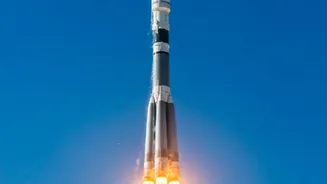
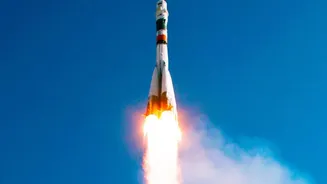
Spotlight on the 'Rocket Revolution'
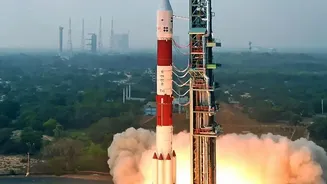
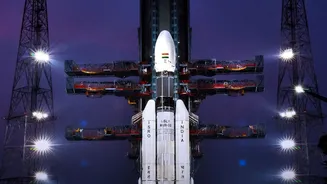
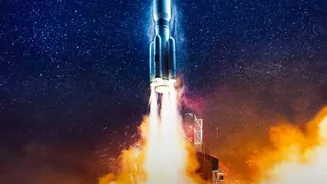
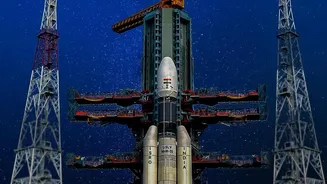
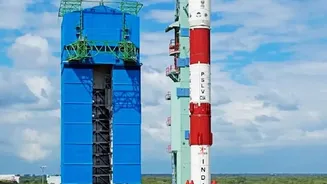
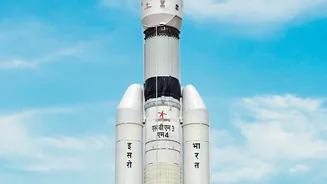
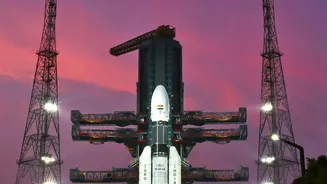
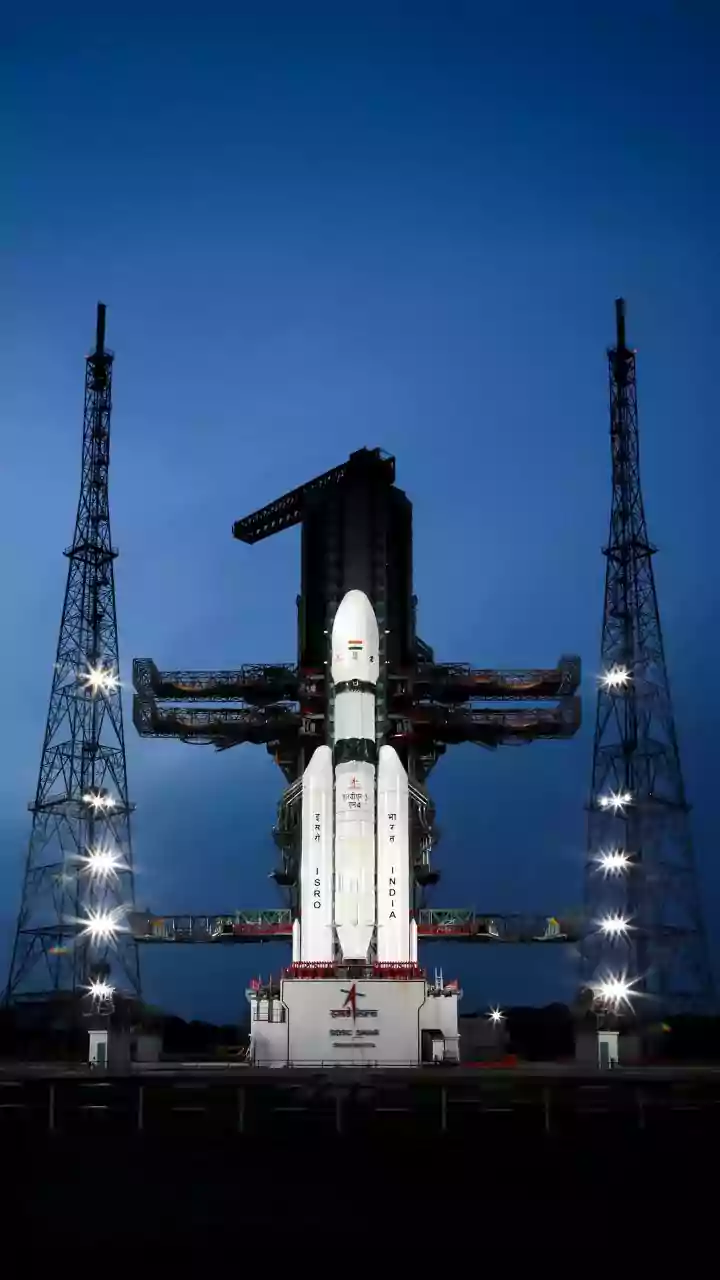
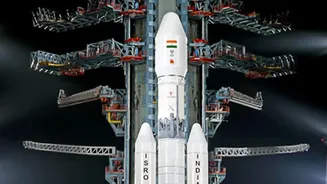
This year's theme, 'Rocket Revolution', is particularly fitting for India. It highlights the dramatic evolution in launch technology that is making space more accessible. This revolution isn't just about building bigger rockets; it's about making them more reliable, cost-effective, and versatile. At the heart of India's capability are its workhorse launch vehicles. The Polar Satellite Launch Vehicle (PSLV) has become a global benchmark for reliability, launching hundreds of satellites for international customers and executing India's most prestigious missions, including Chandrayaan-1 and the Mars Orbiter Mission. Then there's the Geosynchronous Satellite Launch Vehicle (GSLV), including the heavy-lift LVM3, which enabled the historic Chandrayaan-3 Moon landing and is critical for the upcoming Gaganyaan human spaceflight mission.
The Science Behind the Spectacle
Events across the country are demystifying the complex science that powers these rockets. Exhibitions at museums and ISRO facilities showcase models of launch vehicles and satellites, allowing the public a close-up view of the technology. Interactive lectures explain the intricacies of cryogenic engines, the solid and liquid propellants that provide immense thrust, and the precision avionics required to guide a rocket to orbit. These sessions connect abstract scientific principles to tangible national achievements, from deploying communication satellites that power our digital lives to sending probes to explore other worlds. The celebrations serve as a crucial bridge between the lab and the public, translating complex engineering into stories of national pride and progress.
The New Stars: India's Private Space Boom
A key facet of the 'Rocket Revolution' is the explosive growth of India's private space industry. Since the sector was opened to private participation in 2020, over 400 startups have emerged, transforming the country's space ecosystem. Companies like Skyroot Aerospace, which successfully launched its Vikram-1 rocket, and Agnikul Cosmos are at the forefront of this change. World Space Week events increasingly feature these new players, who are developing innovative launch vehicles, satellites, and related technologies. This synergy between ISRO's decades of experience and the agility of private startups is accelerating India's goal of capturing a larger share of the global space economy, which is projected to reach nearly $45 billion by 2030.
Inspiring Tomorrow's Rocket Scientists
Beyond celebrating current achievements, World Space Week is fundamentally about the future. A major focus is on outreach to students to foster an interest in Science, Technology, Engineering, and Mathematics (STEM). Universities and schools are hosting everything from painting and essay competitions to model rocketry workshops and quiz contests. By giving students a chance to interact with ISRO scientists and space entrepreneurs, these programmes aim to inspire the next generation that will lead India’s space endeavours. The message is clear: the rocket revolution needs a steady supply of bright minds to continue its upward trajectory, and the journey for many of them begins this week.