






The Multi-Billion-Dollar Proposal on the Table
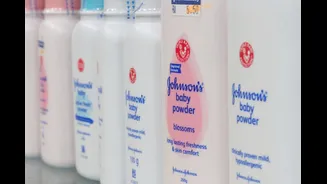
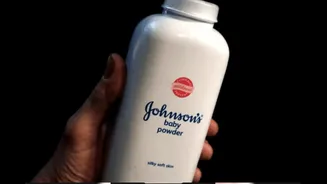
Johnson & Johnson is attempting to end one of the largest mass tort litigations in U.S. history. The company has offered approximately $6.48 billion, to be paid out over 25 years, to resolve the tens of thousands of lawsuits filed by individuals who allege
they developed ovarian cancer from using its talc-based powders, including the iconic Johnson's Baby Powder. This settlement specifically targets the ovarian cancer claims, which make up the vast majority of the litigation. Lawsuits related to mesothelioma, another cancer linked to asbestos exposure, are being handled separately; J&J has reportedly already settled about 95% of those cases. After multiple failed attempts to use the bankruptcy system to manage these liabilities, this latest proposal represents a different strategy aimed at securing widespread agreement directly from the plaintiffs.
The Decisive Hurdle: A 75% Claimant Vote
For the settlement to become effective, it must first pass a critical test: a vote by the claimants. The deal is structured as a “pre-packaged” bankruptcy plan. Under this arrangement, J&J is seeking agreement from its creditors—in this case, the talc claimants—before officially filing for bankruptcy through a subsidiary, a strategy it has attempted before. To move forward to a bankruptcy court for confirmation, the plan requires the approval of at least 75% of the voting claimants. This supermajority threshold is a high bar designed to ensure that the settlement has substantial support from the very people it is intended to compensate. If the 75% approval is secured, the plan gets a significant boost in legitimacy before it even faces a judge.
How Does the Voting Process Work?
The voting process is a formal solicitation where tens of thousands of individuals who have filed lawsuits are asked to cast a ballot to either accept or reject the terms of the proposed $6.48 billion trust. These claimants, who are spread across the country and represented by numerous law firms, had a voting period to make their decision. The results of this vote are crucial; they determine the fate of the entire settlement strategy. While some plaintiffs' law firms have come out in support of the deal, arguing it provides a certain and faster resolution for clients who are ill and have waited years, others have remained opposed. These opponents argue that the settlement undervalues the claims and uses the bankruptcy system to shield a financially healthy corporation from full liability.
Why Is J&J Pursuing This Strategy?
This pre-packaged plan is Johnson & Johnson's third major attempt to use bankruptcy to resolve the talc litigation. Previous efforts, derisively nicknamed the “Texas Two-Step,” were dismissed by courts. Judges ruled that J&J and its subsidiaries were not in the kind of financial distress that bankruptcy protection is designed for. By securing claimant support upfront, J&J hopes to demonstrate to the bankruptcy court that this plan is not a hostile legal maneuver but a consensual agreement that serves the interests of the majority of claimants. The company maintains that its talc products are safe and do not cause cancer, and that it has won the majority of cases that have gone to trial. This settlement, from its perspective, is a strategic move to achieve financial certainty and end the massive legal costs associated with fighting tens of thousands of individual cases.
What Happens if the Settlement Is Approved?
If at least 75% of claimants vote 'yes,' J&J's subsidiary will proceed with its Chapter 11 filing, presenting the pre-approved plan to a bankruptcy judge for final confirmation. If the court confirms the plan, it would become legally binding on all current ovarian cancer claimants, including those who voted against it. A trust would be established to manage and pay out the $6.48 billion over the next two and a half decades. Claimants would then have their cases evaluated based on a tiered system, receiving compensation based on factors like the severity of their diagnosis and their age. This would bring an end to their individual lawsuits. One key detail is that this plan is designed to resolve all current and future ovarian cancer claims.
And What if It Fails?
If the proposal fails to gain the 75% claimant support, the deal will be off the table. Johnson & Johnson would not be able to proceed with its pre-packaged bankruptcy plan as designed. This would almost certainly mean a return to the pre-settlement status quo: protracted and expensive litigation on a case-by-case basis across the country. For claimants, this would mean facing the uncertainty of a jury trial, where outcomes have been wildly inconsistent, ranging from multi-million dollar awards to complete losses for the plaintiffs. Without a global settlement, the legal battle that has already spanned more than a decade would likely continue for many more years, with no guaranteed outcome for either side.