






Gandhi Ghat, Patna: The Iconic Riverfront
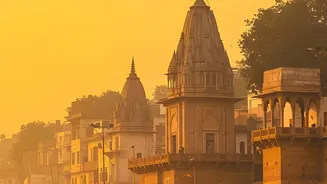
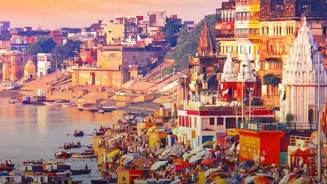
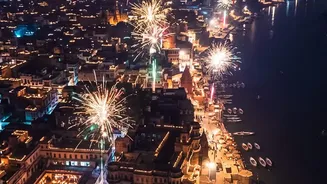
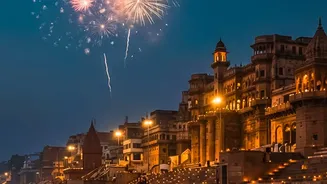
Located near the National Institute of Technology (NIT) in Patna, Gandhi Ghat is one of the most developed and popular riverfronts for Chhath celebrations. Known for its regular evening Ganga Aarti, the ghat transforms into a primary hub of devotion during
the festival, attracting massive crowds. Its paved promenade, good lighting, and clear river views make it a preferred spot for families. Given its popularity, authorities typically ensure significant arrangements for safety and crowd management, but arriving well in advance of the Sandhya and Usha Arghya is essential to secure a spot. The historical significance of the ghat, coupled with its modern amenities, offers a blend of tradition and convenience for the thousands of 'vratis' (devotees observing the fast) who gather here.
Collectorate Ghat, Patna: A Spacious Hub of Faith
As one of Patna's most historic and spacious ghats, Collectorate Ghat is designed to accommodate a very large number of devotees. Situated in the central part of the city's riverfront, it is a key location for Chhath rituals and benefits from good connectivity. The ghat features both sandy stretches and stepped areas, providing ample space for families to set up for the long hours of prayer. During the festival, it often hosts cultural programs, including folk music that celebrates Bihar's rich heritage, creating a vibrant community atmosphere. Local authorities focus heavily on this ghat, implementing facilities like temporary changing rooms, medical aid stations, and robust security to manage the immense crowds that gather to offer prayers.
ITO Ghat, Delhi: The Capital’s Historic Chhath Point
For the large Purvanchali population in Delhi, the ghats along the Yamuna are central to Chhath Puja, and the ITO Ghat is one of the oldest and most significant. The Delhi government and various committees make extensive preparations here, often including the creation of artificial ponds to ensure clean water for rituals. First used for Chhath in 1984, it has become a symbol of the festival in the capital. During the celebrations, the area is adorned with murals depicting Chhath traditions, and cultural programs are often organised. Despite concerns in past years about pollution, efforts are made annually to prepare the ghat for the thousands who gather for Sandhya and Usha Arghya.
Juhu Beach, Mumbai: Where Tradition Meets the Arabian Sea
Chhath Puja has found a unique and grand home on the shores of the Arabian Sea at Juhu Beach in Mumbai. For decades, it has been the site of one's of the city's largest gatherings of worshippers, drawing lakhs of devotees primarily from the Bihari community. Organised by local fronts and samitis, the beach transforms into a festive ground with kirtans and bhajans in Bhojpuri and Maithili languages echoing across the shoreline. The vast open space allows for a sea of humanity to offer 'arghya' to the setting and rising sun, creating a spectacular sight. The event is a major logistical undertaking, with organisers coordinating with civic bodies to provide essentials like drinking water, mobile toilets, and security for the massive crowds.
Domuhani Ghat, Jamshedpur: A Confluence of Devotion
In Jharkhand, Jamshedpur hosts vibrant Chhath celebrations, and Domuhani Ghat is a key destination. Located at the confluence of the Subarnarekha and Kharkai rivers, the spot holds natural significance for devotees. This ghat draws large crowds from across the city and surrounding areas who come to perform the rigorous rituals. Local communities and administrative bodies work together to prepare the ghat, ensuring it is clean, well-lit, and safe for the thousands of families that congregate. The natural beauty of the confluence, combined with the deep devotion of the worshippers, makes Domuhani Ghat a powerful place to witness the rituals of Chhath, reflecting the festival's deep roots in the region.