





A Brewing Shift Beyond the Metros
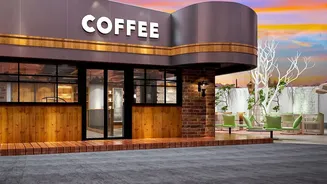
The geography of specialty coffee in India is being redrawn. Once clustered in cities like Mumbai, Bengaluru, and Delhi, premium coffee chains and independent roasters are now setting up shop in cities such as Lucknow, Jaipur, Indore, Nagpur, and Coimbatore.
This isn't just a handful of isolated openings; it’s a strategic shift. Brands like Blue Tokai, Third Wave Coffee, and Roastery Coffee House are actively targeting these emerging markets. They are finding a ready audience, as the demand for premium experiences is no longer limited to the biggest urban centres. This expansion signals a maturing of the Indian coffee market, where the next wave of growth is expected to come from these vibrant, aspirational cities.
The Economic and Cultural Drivers
Several factors are fueling this expansion. Economically, rising disposable incomes and increased consumer spending on premium goods and services in Tier-2 cities have created a viable market. These cities also offer significant business advantages, including lower real estate costs and less competition compared to the saturated metro markets. Culturally, the shift is just as significant. Thanks to social media, travel, and the rise of remote work, consumers in smaller cities are more exposed to global trends and have developed a taste for specialty coffee. Cafes are evolving from simple beverage outlets into 'third places'—comfortable spaces between home and work where people can socialise, work, and relax. This has transformed coffee from a mere drink into a lifestyle choice and a symbol of modern aspiration.
Brands on the Move
Both national chains and local entrepreneurs are part of this movement. Blue Tokai, a major player, has announced ambitious plans to more than triple its store count, with a focus on entering new markets like Ahmedabad and Lucknow alongside metro expansion. Similarly, chains like Nothing Before Coffee (NBC) have built their entire strategy around serving Tier-2 and Tier-3 cities, seeing a gap for affordable, quality coffee experiences. At the same time, independent brands are thriving by tailoring their approach. For instance, Roastery Coffee House has found success with large, experience-focused cafes in residential neighbourhoods of cities like Lucknow and Jaipur, while Nagpur’s Corridor Seven Coffee Roasters has gone deep into its local market, building a strong community following before expanding.
Navigating New Grounds
Despite the opportunities, expanding into Tier-2 cities comes with its own set of challenges. High operational costs, including manpower and supply chain logistics, remain a significant hurdle for all cafe businesses. While rents are lower than in metros, they are still a major expense, and over-investing in lavish interiors without a solid operational plan can hurt profitability. Furthermore, competition is not just from other branded chains but also from a vast network of local, unorganised cafes and a deeply ingrained tea-drinking culture in many parts of the country. Success often depends on a brand's ability to offer a consistent experience, manage costs effectively, and build a loyal customer base that values quality over discounts.
The Impact on Local Coffee Culture
The arrival of specialty coffee brands is having a profound impact on local economies and social habits. It creates new employment opportunities and fosters a more vibrant hospitality sector. For consumers, it means greater access to high-quality products and new social hubs. Research shows that taste is a primary driver for coffee drinkers in Tier-2 cities, indicating a genuine appreciation for a better brew. This trend is pushing the entire market forward, encouraging both new and existing businesses to innovate with their menus, create engaging events like coffee tastings, and build a stronger community around the shared love for coffee. It's a sign that the coffee revolution is no longer a metro-centric phenomenon but a nationwide cultural shift.