







The Power of a Simple Plan
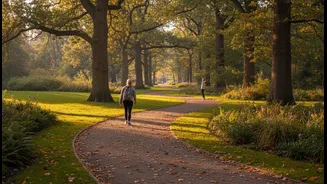
In a world of high-intensity interval training and complex workout plans, the idea of a simple walk around the park can feel almost revolutionary. But its power lies in its simplicity. Choosing a familiar loop removes the mental burden of planning a route
or navigating a new environment. This concept, known as reducing decision fatigue, is critical. When your brain doesn't have to make choices, the path of least resistance is to simply go. A low-pressure approach like this makes fitness accessible to all levels, from beginners to those recovering from injury. The goal isn't to push your body to its absolute limit; it's to create a routine that is so easy to start that it becomes harder to skip than to do.
Harnessing the Science of Habit
Lasting habits are built on a simple psychological principle known as the habit loop: cue, routine, and reward. A familiar park loop fits this model perfectly. The cue might be finishing your workday, putting on your walking shoes, or even just the time of day. The routine is the walk itself—the predictable path you take each time. The reward is the most crucial part. It’s the feeling of accomplishment, the rush of endorphins, the mental clarity, or simply the stress relief that comes from moving your body. By repeating this loop, the brain strengthens these neural pathways, and the action becomes more automatic over time, requiring less willpower to initiate.
More Than Just Physical Fitness
While walking is an excellent form of low-intensity steady-state (LISS) cardio that improves heart health and can aid in fat burning, its benefits are not just physical. Exercising in a natural environment, often called 'green exercise,' has profound effects on mental well-being. Studies show that even a short walk in a park can improve mood, reduce anxiety, and lower levels of the stress hormone cortisol. It provides a richer sensory experience than a gym—the sounds of nature, the feeling of the sun, and the fresh air can promote mindfulness and help you feel more present and calm. This combination of physical activity and nature exposure makes a simple park walk a powerful tool for both body and mind.
Your Blueprint for Getting Started
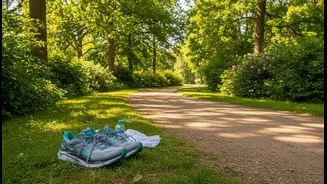
The key to making a park loop a habit is to start small and remove any barriers. Don't worry about speed, distance, or fancy gear. Just begin. Start with a single loop, even if it only takes 10 or 15 minutes. Choose a consistent time that fits your schedule to help establish it as a non-negotiable part of your day. Prepare the night before by laying out your shoes and comfortable clothes. This small act eliminates a potential excuse. The most important thing is to be consistent. Aim for frequency over intensity, especially in the beginning. The goal is to build a habit, and habits are formed through repetition, not single heroic efforts.
How to Gently Evolve Your Routine
Once your habit is firmly established, you might feel the desire to progress. The key is to do so gently, without reintroducing the pressure you worked so hard to avoid. You could add a second lap to your loop or pick up your pace for a short segment of the walk. Consider using a park bench for a few simple strength exercises like step-ups or push-up inclines. Another option is to explore different routes within the same park to add variety without sacrificing familiarity. The goal is gradual improvement that still feels enjoyable and sustainable. Listen to your body and remember that the foundation of this habit is its low-pressure nature. Progress should feel like a natural evolution, not a forced march.