


The Social Media Illusion
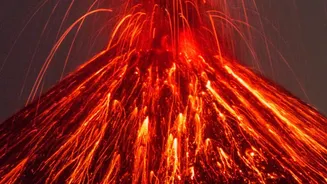
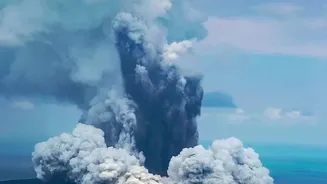
That incredible selfie on the edge of a crater or a video of bubbling lava looks like the ultimate travel goal. However, social media is a notoriously unreliable source for volcano safety. Posts can be outdated, with photos taken long before current activity
began. Influencers may take dangerous risks for a dramatic shot, entering restricted zones and ignoring official advice. This trend, sometimes called “lava chasing,” creates a false sense of security and can put both tourists and rescue teams in peril. Incidents in Guatemala and Indonesia have shown that ignoring exclusion zones, which are often not visible on an Instagram post, can have tragic consequences.
Your Official Source Checklist
Before you even pack your bags, your first stop should be the websites of official geological monitoring agencies. These organizations provide real-time, science-backed updates. In the United States, the U.S. Geological Survey (USGS) is the primary source, operating five volcano observatories for different regions. You can even sign up for the free Volcano Notification Service (VNS) to get email alerts. For international travel, find the equivalent local body, such as the Japan Meteorological Agency or Italy's National Institute of Geophysics and Volcanology (INGV). Additionally, always check the website for the specific national park or protected area you plan to visit, like Hawaii Volcanoes National Park, for on-the-ground closures and conditions.
Understanding Alert Levels
Official agencies use a clear, color-coded system to communicate risk. The USGS system, for example, has four levels for people on the ground. 'NORMAL' (Green) means the volcano is in its typical, non-eruptive state. 'ADVISORY' (Yellow) indicates elevated unrest, meaning scientists are watching it closely. 'WATCH' (Orange) signals a higher potential for eruption or that a minor eruption is underway with limited hazards. 'WARNING' (Red) is the highest alert, meaning a hazardous eruption is imminent or in progress, often triggering evacuation orders. It's crucial to understand that a park can remain open during a 'WATCH' level, but specific areas may be closed. Always read the full update, not just the color code.
Vetting Your Tour Operator
A good guide is your most important safety asset on the ground. When choosing a tour company, look for reputable operators with certified guides and a strong safety record. Ask them directly about their safety protocols and how they monitor volcanic activity. A responsible operator will never offer to take you into a closed area and will be transparent about potential risks, including hazardous gases like sulfur dioxide. They should provide necessary safety gear, like gas masks for certain tours, and be clear about the physical fitness required for the trip. Don't be swayed by guides promising to get you closer than anyone else; your safety is worth more than a risky photo op.
On-the-Ground Safety Rules
Your research is done and you’ve booked a great guide, but safety precautions don't stop there. Once you arrive, always respect barriers, warning signs, and designated trails. Conditions can change rapidly. Heed all instructions from park rangers and your guide without exception. Wear sturdy, closed-toe shoes, as volcanic rock can be sharp and unstable. Even at night, bring layers, a rain jacket, a flashlight, and plenty of water. Be aware of your surroundings; stay away from cliff edges and steam vents. The safest way to experience the awesome power of a volcano is by being prepared and respecting the force of nature you've come to witness.