

The Bustling Icon: Djemaa el-Fna, Marrakech
Marrakech's main square, Djemaa el-Fna, is a spectacle of sound, scent, and sight. By day, snake charmers and henna artists vie for your attention; by night, the square transforms into a massive open-air food market with dozens of smoking grills. It's
an unforgettable sensory overload, but the sheer volume of people and persistent sales pitches can be exhausting. For many, the experience can feel more chaotic than charming, especially during peak tourist season.
The Calmer Alternative: Place el-Hedim, Meknes
For a similar-but-saner atmosphere, head to Place el-Hedim in Meknes. This grand square serves the same function as its Marrakech counterpart — a central gathering place for locals and visitors — but on a more manageable and relaxed scale. It's bordered by the magnificent Bab Mansour gate and leads into a lively, less tourist-focused souk. Here, you can enjoy the evening buzz, sip mint tea at a cafe, and people-watch without the intense pressure, offering a more authentic glimpse into Moroccan city life.
The Famous Garden: Jardin Majorelle, Marrakech
Once owned by Yves Saint Laurent, the Jardin Majorelle is an icon of landscape design, famous for its striking cobalt blue accents and extensive collection of cacti. Its fame, however, means it's now one of Morocco's most visited sites, often with long queues just to enter. Inside, the narrow paths can be packed with visitors, making it difficult to find the serenity a garden is meant to provide.
The Serene Alternative: Le Jardin Secret, Marrakech
Tucked away within the medina itself, Le Jardin Secret offers a peaceful and historically rich alternative. This beautifully restored palace complex features two distinct courtyard gardens: an exotic garden and a more traditional Islamic garden. With its tranquil fountains, intricate tilework, and fragrant orange trees, it provides a genuine oasis away from the souks. It's typically far less crowded, allowing you to appreciate the artistry and find a quiet corner to relax.
The Instagram Star: Chefchaouen, The Blue City
Nestled in the Rif Mountains, Chefchaouen's medina is famous for its buildings washed in countless shades of blue. It's undeniably beautiful and photogenic, which has made it an Instagram sensation. This popularity means its narrow lanes are often filled with tourists posing for photos, and the town can feel more like a film set than a lived-in community, with prices to match.
The Authentic Alternative: The Medina of Tetouan
Just a couple of hours away lies Tetouan, another city with a strong Andalusian heritage. Its UNESCO-listed medina features beautiful whitewashed buildings, many with their own blue and green details. The streets here feel more authentic and are significantly less crowded, offering a look into a working Moroccan medina. It provides the same visual charm and mountain backdrop but with a more grounded, local atmosphere that many travelers find more rewarding.
The Hollywood Backdrop: Ait Benhaddou
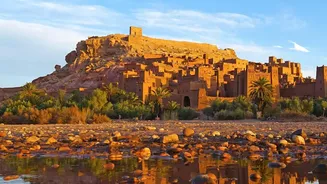
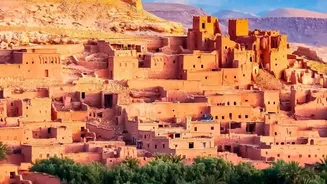
A stunning fortified village, or ksar, Ait Benhaddou is a UNESCO World Heritage site that has served as a filming location for epics like 'Gladiator' and 'Game of Thrones'. Its incredible earthen architecture is a powerful sight, but its fame brings busloads of day-trippers. The path up to the top can be crowded, and the lower sections are filled with souvenir stalls, which can detract from the ancient atmosphere.
The Historic Alternative: Telouet Kasbah
For a more atmospheric and poignant experience, travel along the old caravan route to the Telouet Kasbah. This was the opulent, sprawling seat of the powerful Glaoui clan. Now largely a ruin, its crumbling exterior hides breathtakingly beautiful interior rooms with intricate zellige tilework, carved stucco, and painted cedar ceilings. Exploring Telouet feels like uncovering a lost secret, with very few visitors and a palpable sense of history, offering a stark contrast to the restored perfection of its famous neighbor.
The Labyrinthine City: Fes el-Bali
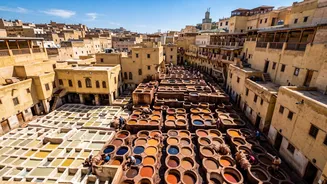
Fes has one of the world's largest and oldest medieval medinas, a dizzying labyrinth of over 9,000 alleyways, vibrant souks, and ancient mosques. It is an incredible centre of Moroccan culture and craftsmanship. However, its sheer intensity, particularly around the famous tanneries, can be overwhelming for some visitors, with assertive guides and strong smells.
The Underrated Imperial City: Meknes
Often called Morocco's 'forgotten' imperial city, Meknes offers grand architecture and a fascinating history with a fraction of the crowds of Fes or Marrakech. Its medina is also a UNESCO World Heritage site but is more spacious and relaxed. You can explore magnificent gates, vast royal granaries, and the tranquil mausoleum of Sultan Moulay Ismail without the constant jostle, making it a surprisingly peaceful and deeply rewarding destination.