





The Heart of the Matter: Aroma and Texture
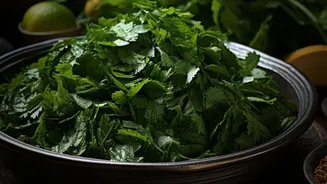
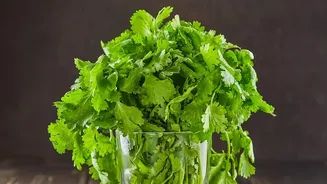
More than any other ingredient, fresh coriander, or dhaniya, defines green chutney. While mint often plays a supporting role, it is coriander that provides the foundational herbaceous, citrusy, and slightly earthy aroma that we instantly recognise. This
is not just a matter of opinion; it's chemistry. The leaves are rich in organic compounds called aldehydes, which are responsible for their complex and powerful scent. But coriander's contribution isn't limited to aroma. The leaves and tender stems are blended to create the chutney's body, giving it a thick, relish-like consistency that clings perfectly to snacks. Without a generous amount of fresh coriander, green chutney would lose its fundamental character, becoming a different condiment entirely.
Don’t Discard the Stems
A common mistake in many kitchens is to meticulously pick the coriander leaves and discard the stems. This is a missed opportunity for flavour. The stems of the coriander plant are packed with even more concentrated flavour and moisture than the delicate leaves. Including the tender upper stems in your blender not only reduces waste but also results in a more intensely aromatic and robust chutney. The stems help create a smoother, more emulsified texture, releasing water that aids the blending process without diluting the taste. However, it's wise to avoid the thick, tough lower parts of the stems, which can sometimes lend a bitter taste. The rule of thumb is simple: if the stem is tender and pliable, it belongs in the chutney.
The Supporting Cast of Flavours
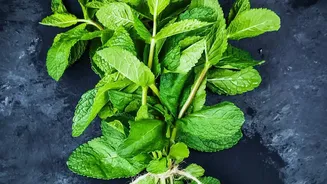
While coriander is the star, a well-balanced green chutney relies on a strong supporting cast. Each ingredient plays a crucial role in harmonising the final product. Mint leaves are often added for a cooling contrast, though typically in a smaller ratio to coriander to prevent them from overpowering the chutney. Green chillies provide the essential spicy kick, while ginger and garlic add pungency and depth. A squeeze of fresh lime or lemon juice is non-negotiable; its acidity not only brightens the flavours but also helps preserve the chutney's vibrant green colour by preventing oxidation. Many recipes also include a pinch of sugar to balance the heat and tang, and a touch of cumin for an earthy warmth.
Achieving Perfect Consistency and Colour
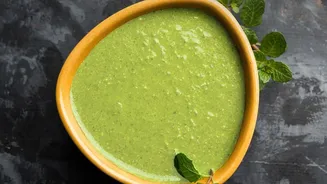
The difference between a good green chutney and a great one often lies in the details of its preparation. A common issue is a watery or separated chutney. To achieve a thicker, creamier body, many traditional recipes incorporate a binding agent. A tablespoon of roasted chana dal (gram dal), roasted peanuts, or even a small amount of fresh coconut can add substance and a subtle nutty flavour. Another pro tip is to use ice cubes or ice-cold water when blending. The heat generated by the blender blades can slightly cook the herbs, causing them to darken. The cold temperature helps maintain that fresh, bright green hue that is so visually appealing. Storing the chutney in an airtight container with a thin layer of oil or an extra squeeze of lemon juice on top can also help it stay green for longer in the refrigerator.
A Chutney for Every Occasion
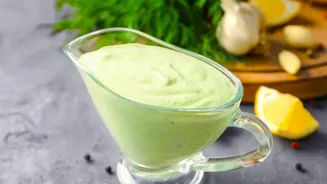
The beauty of green chutney is its versatility, and different versions are tailored for different dishes. A thinner, more pourable chutney is perfect for drizzling over chaat items like bhel puri or sev puri. For sandwiches, a thicker, spreadable consistency is desired, which can be achieved by adding less water or including ingredients like coconut, peanuts, or even a little onion. Some restaurant-style versions are made creamier and milder by blending in yoghurt, creating a perfect dip for kebabs and tikkas. South Indian variations might lean more heavily on coconut, while some North Indian recipes might add onion for extra zest. Understanding these variations allows you to tailor your chutney to perfectly complement any meal.