


Our Closest Cosmic Neighbours
The Alpha Centauri system, located a mere four light-years from Earth, is the closest star system to our own. It’s a place astronomers have studied intensely for decades, making it one of the most familiar patches of sky we have. The system is a trio
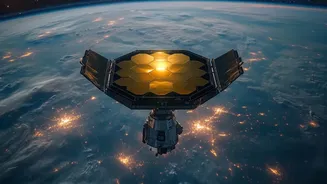
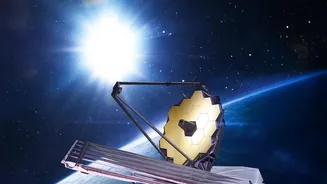
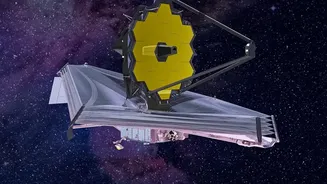
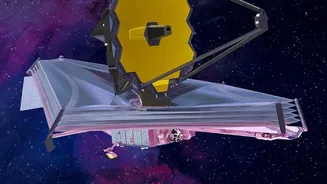
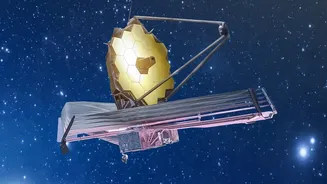
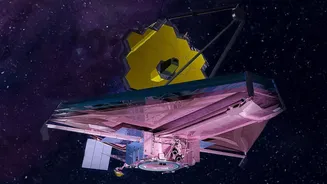
of stars: two Sun-like stars named Alpha Centauri A and B that orbit each other, and a more distant, faint red dwarf called Proxima Centauri. While astronomers had previously confirmed three planets orbiting Proxima Centauri, finding a world around either of the two larger, brighter stars proved incredibly challenging. That is, until the powerful gaze of the James Webb Space Telescope (JWST) was turned toward Alpha Centauri A.
How a Giant Planet Played Hide-and-Seek
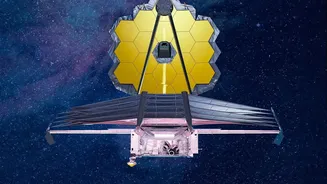
So, how could a massive planet remain hidden in a system so close and well-studied? The answer lies in the immense difficulty of spotting a dim planet next to a blazing star. It’s like trying to spot a firefly next to a powerful searchlight. Even with the world’s most advanced telescopes, the glare from Alpha Centauri A and its nearby binary companion, Alpha Centauri B, was enough to wash out any potential planetary signals. To overcome this, astronomers used a special tool on the JWST called a coronagraph. This instrument works like a sun visor for the telescope, blocking the overwhelming starlight to reveal much fainter objects nearby. By carefully masking the light from Alpha Centauri A, a faint object over 10,000 times dimmer than the star was revealed.
Meet the New Candidate World
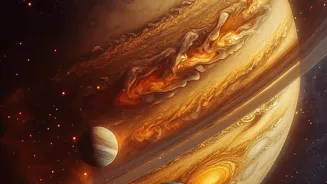
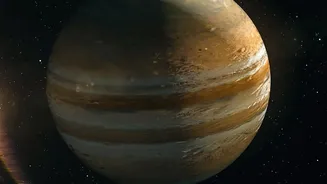
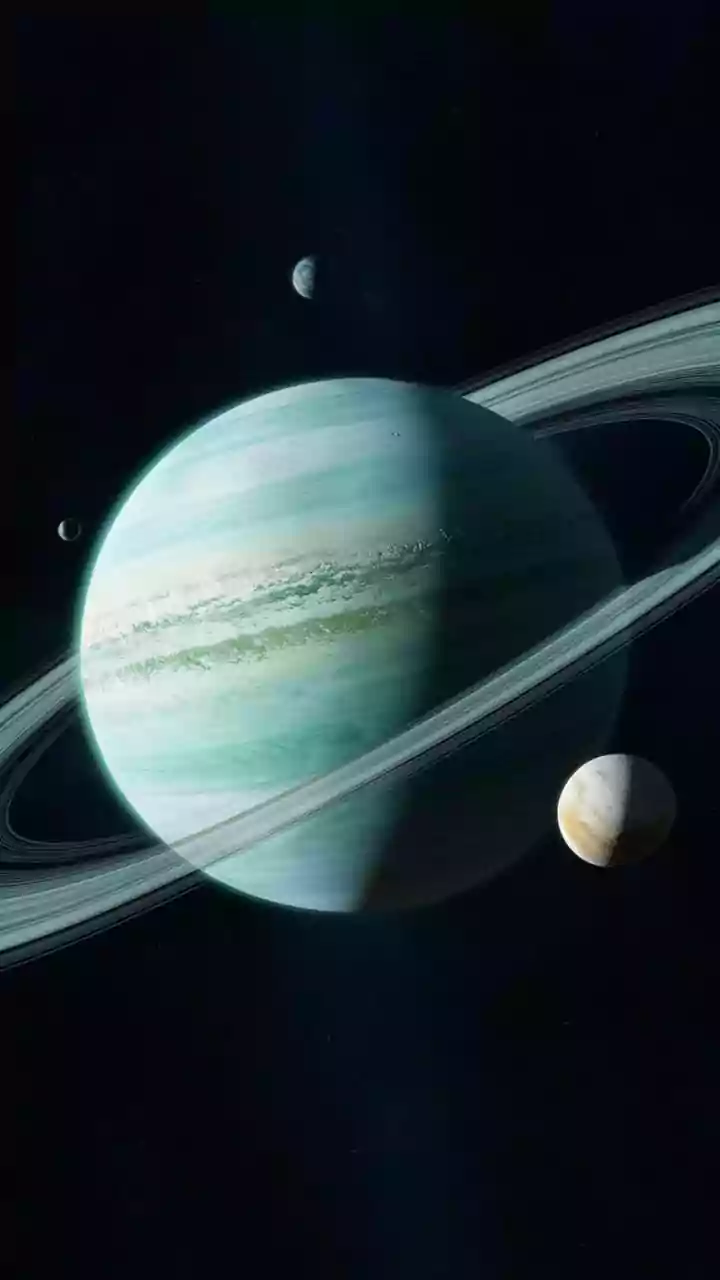
The candidate world is a gas giant, estimated to be roughly the mass of Saturn. It appears to be orbiting Alpha Centauri A at a distance that places it within the star's 'habitable zone' — the region where conditions could be right for liquid water to exist on a rocky moon, should one orbit the planet. However, as a gas giant, the planet itself is not considered capable of supporting life as we know it. What makes this discovery particularly thrilling is that it is one of the first times a planet has been directly imaged so close to a star like our own sun in both temperature and age. Follow-up observations are still needed to officially confirm its status as a planet, as complex factors like the star's own brightness and background cosmic dust can complicate the picture.
Why This Discovery Matters
Finding this potential world is a landmark achievement. For one, it challenges our understanding of how planets form and survive in chaotic binary star systems. The gravitational pull between two large stars like Alpha Centauri A and B can make for an unstable environment, so the presence of a large, stable planet is a fascinating puzzle for planetary scientists. Furthermore, it serves as a powerful demonstration of the capabilities of the James Webb Space Telescope. According to scientists involved in the discovery, these were some of the most demanding observations ever attempted with the telescope's instruments. The success here paves the way for finding other hidden worlds, not just in Alpha Centauri but across the galaxy. This candidate planet, being so close to home, offers an unparalleled opportunity to study another planetary system in detail.