

Why Caffeine Is a Threat to Pets
Humans and their pets process substances very differently. For dogs and cats, caffeine is a potent stimulant that their bodies cannot metabolize effectively. This sensitivity means that even small amounts can be dangerous. Caffeine acts as a stimulant on
the central nervous system and heart. In pets, this leads to an over-stimulation that their bodies cannot handle, causing a cascade of negative effects on major organs including the heart, liver, kidneys, and central nervous system. While a single lick of a diluted coffee or tea beverage is unlikely to cause a major issue for most pets, the risk increases dramatically with more concentrated sources.
Recognising the Signs of Caffeine Poisoning
Symptoms of caffeine toxicity can appear within 30 minutes to two hours of ingestion and can be frightening to witness. The initial signs are often related to caffeine's stimulant effects. Your pet might become hyperactive, restless, and unable to settle down. They may pace around, whine, or seem agitated. As the toxicity progresses, more severe symptoms can develop, including vomiting, diarrhea, an elevated heart rate, and increased blood pressure. In serious cases, pets may suffer from muscle tremors, seizures, abnormal heart rhythms, and a dangerous increase in body temperature. Without prompt medical intervention, large ingestions of caffeine can unfortunately be fatal.
Hidden Sources of Caffeine in Your Home
While coffee, tea, and energy drinks are the most obvious culprits, caffeine lurks in many other household products. Unused coffee grounds and tea bags are highly concentrated and particularly dangerous if a pet gets into the rubbish bin. Other sources include soda, diet pills, pre-workout supplements, and some over-the-counter pain or cold medications. It’s also important to remember that chocolate contains theobromine, a chemical relative of caffeine that is also toxic to pets. Items like chocolate-covered coffee beans present a double threat. Even coffee-flavoured ice cream or liqueurs can contain enough caffeine to harm a small animal.
How Much Is Too Dangerous?
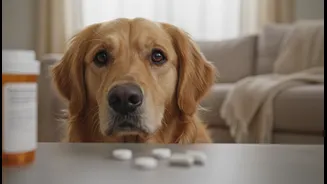
The toxic dose of caffeine depends heavily on the pet's size, weight, and overall health. Naturally, smaller dogs and cats are at a much higher risk than larger animals. For example, the ingestion of just one or two caffeine pills can be fatal for a small dog or cat. Concentrated sources are the biggest concern. A single tablespoon of coffee grounds could be dangerous for a dog weighing under 7 kilograms. Because the caffeine content varies so widely between products—from instant coffee to energy drinks—it's safest to assume any amount is too much. Factors like age and pre-existing health conditions, such as kidney or heart problems, can also make a pet more susceptible to caffeine's toxic effects.
What to Do in a Caffeine Emergency
If you suspect your pet has ingested any amount of caffeine, it is a medical emergency. Act quickly and contact your veterinarian or a pet poison helpline immediately. Do not wait for symptoms to appear, as early intervention is key to a successful outcome. Try to determine what your pet ate, how much they consumed, and when it happened. Do not attempt to induce vomiting at home unless specifically instructed to do so by a veterinary professional, as it can sometimes cause more harm. At the clinic, a vet may induce vomiting safely, administer activated charcoal to absorb the toxin, and provide supportive care like intravenous fluids and medications to control heart rate, tremors, or seizures. With swift treatment, the prognosis is often good for pets with mild to moderate poisoning.