




The Hidden Downsides of Packaged Yoghurt
Store-bought flavoured yoghurts are often marketed as a healthy, quick breakfast. However, a closer look at the nutrition label can tell a different story. Many commercial yoghurts, especially the fruit-flavoured varieties, contain surprisingly high amounts
of added sugar. Some single-serving cups can contain as much sugar as a dessert, undermining your healthy intentions. Beyond sugar, you might also find artificial sweeteners, thickeners, and preservatives designed to extend shelf life and mimic the texture of real fruit. While not all packaged yoghurts are problematic, the lack of transparency and control is a significant issue for health-conscious consumers. The 'low-fat' versions can be particularly deceptive, often compensating for the lack of fat with even more sugar to maintain taste.
The Homemade Dahi Advantage
The simple act of making yoghurt, or dahi, at home instantly eliminates these concerns. It's a practice cherished in countless Indian households for good reason. When you make your own, you start with just two simple ingredients: milk and a starter culture. This gives you complete authority over the final product. There are no hidden sugars, no artificial additives, and no preservatives. You can choose the quality of your milk, whether it’s full-fat for creaminess or toned for a lighter option. Homemade dahi is packed with beneficial live probiotics like Lactobacillus, which are essential for good gut health. Regular consumption can support digestion, boost immunity, and even aid in weight management by promoting a feeling of fullness. It’s also significantly more economical in the long run than buying individual cups.
Mastering the Base: Creamy or High-Protein
Your homemade breakfast journey starts with the perfect dahi. The process is simple: heat milk, cool it to a lukewarm temperature, stir in a spoonful of starter from a previous batch, and let it set in a warm place for several hours. For a richer, creamier texture, use full-fat milk. For a major protein boost, you can take an extra step and strain your set dahi. By letting the watery whey drain through a muslin cloth for a few hours, you create what is known as 'hung curd' or Greek-style yoghurt. This process concentrates the protein, often tripling it from about 3 grams per 100g in regular dahi to nearly 9-10 grams. This makes it an incredibly satiating base for your breakfast, keeping you full and energised until lunch.
Sweetness, a Smarter Way
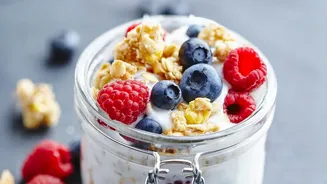
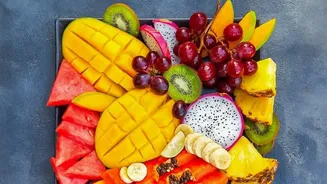
One of the biggest wins of homemade yoghurt bowls is controlling the sweetness. Instead of refined sugar, you can turn to a variety of natural and more nutritious options. A small drizzle of raw honey or pure maple syrup can add a touch of sweetness along with some trace minerals. For a distinctly Indian flavour, a small amount of powdered jaggery works beautifully. The best sweeteners, however, are fruits. Mashed banana, a simple apple stewed with cinnamon, or a swirl of homemade mango puree can sweeten your bowl while also adding fibre, vitamins, and antioxidants. Fresh berries, chopped peaches, or pomegranate arils also provide natural sweetness and a burst of flavour without any added sugars at all.
Building Texture and Nutrition with Toppings
This is where you can truly get creative. Toppings are not just about taste; they are about adding texture and boosting nutritional value. For a satisfying crunch, move beyond sugary commercial granolas. Instead, try a handful of toasted nuts like almonds or walnuts, which provide healthy fats and protein. Seeds are nutritional powerhouses; a spoonful of chia seeds or flax seeds adds fibre and omega-3s, while pumpkin or sunflower seeds offer a lovely crunch. You can also make your own simple granola by toasting oats with a little honey and cinnamon. For flavour, a sprinkle of cardamom or cinnamon can transform your bowl. These toppings ensure your breakfast is not just a meal, but a nutrient-dense and satisfying experience.