

Your 60-Minute Mission
The goal of this 'power hour' isn't to cook seven complete dinners, but to prep versatile components you can assemble into different meals throughout the week. This approach, known as ingredient prep, is the key to avoiding mealtime monotony and the dreaded
feeling of eating the same leftovers for days. Before you begin, have a loose plan. Know which three proteins, three vegetables, and two grains you'll focus on. The key is to choose recipes and foods that don't require a lot of hands-on time, such as roasting vegetables or simmering a big pot of dal. And always start with the task that takes the longest, like putting chicken in the oven, then work backward.
The First 20 Minutes: Grains and Proteins
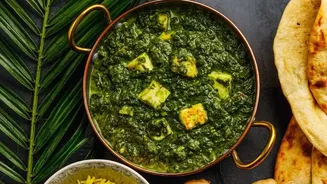
Begin with the items that can cook on their own. Get a pot of rice, quinoa, or millets on the stove. These form the base for everything from pulao and fried rice to grain bowls. Simultaneously, put your proteins in to cook. This could mean placing chicken, fish, or paneer on a sheet pan to roast in the oven. Alternatively, you could boil a dozen eggs for quick snacks and salad additions, or set a pot of dal or chickpeas to simmer on a back burner. The key is multitasking by letting your stove and oven do most of the work while you move on to the next steps.
The Next 20 Minutes: The Vegetable Chop
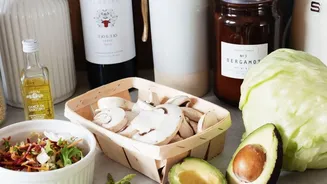
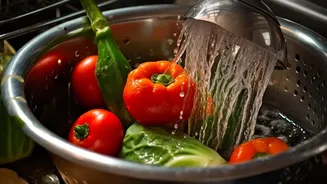
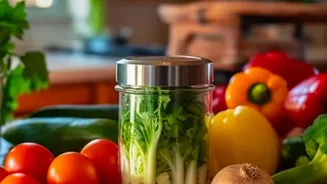
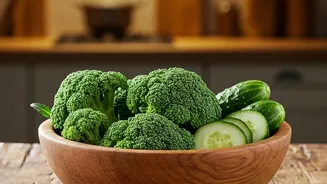
This is where much of the daily cooking time is saved. Prepare your aromatic base by chopping onions, ginger, and garlic. Store them in an airtight container in the fridge. Wash, dry, and chop the rest of your vegetables. Hearty vegetables like carrots, bell peppers, and broccoli can be cut into pieces ready for a quick stir-fry or sabzi. For salads, wash and thoroughly dry your leafy greens and store them with a paper towel in the container to absorb moisture and maintain crispness. This simple step means that when you need to cook on a busy Tuesday night, the most time-consuming part is already done.
The Final 20 Minutes: Sauces and Storage
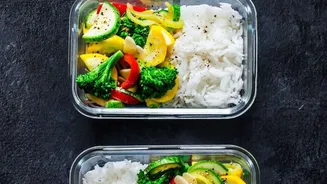
With your core components cooked and chopped, use the final stretch to create 'flavour boosters'. Whisk together a simple salad dressing in a jar, blend a green chutney, or mix a yoghurt-based marinade for a protein you'll cook later in the week. As everything finishes cooking, let it all cool completely before storing. Packing food while it's still warm creates condensation, which can lead to sogginess and spoilage. Invest in clear, airtight containers, preferably glass, so you can easily see what you have. Group ingredients for specific meals together in the fridge to make assembly even faster.
From Prep to Plate
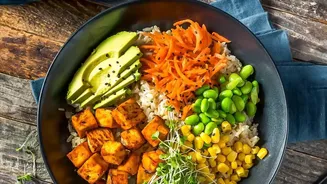
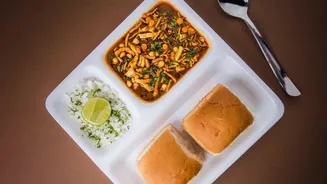
The magic of this hour becomes apparent during the week. That pre-cooked dal can be quickly turned into dal tadka one night and part of a hearty soup the next. Roasted vegetables can be tossed with your pre-cooked quinoa for a healthy lunch bowl, served as a side with roasted chicken for dinner, or folded into an omelette for breakfast. The chopped onion-ginger-garlic base means you're just minutes away from starting a curry or a stir-fry. Having these ready-to-go components empowers you to assemble a fresh, home-cooked meal in less time than it takes to order takeout.