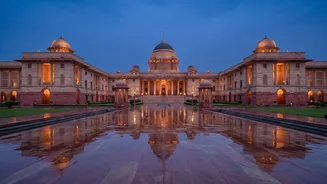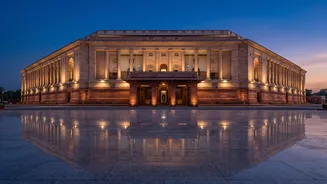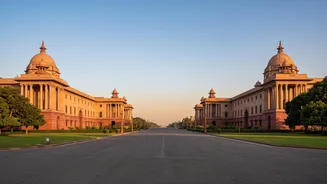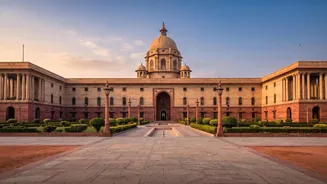








The Summit as a Catalyst
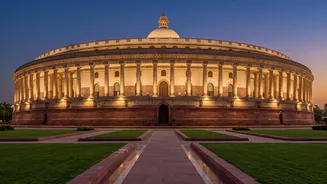
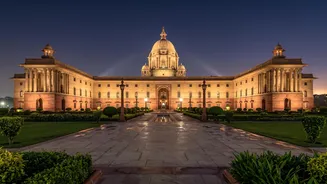
Hosting a major international event like the BRICS summit often provides the impetus for cities to fast-track long-term development goals. For New Delhi, the summit, scheduled for September 12-13, is the catalyst for a comprehensive civic preparedness
plan led by the New Delhi Municipal Council (NDMC). This isn't just about a temporary cleanup; it's a coordinated effort to upgrade sanitation, infrastructure, public health, and security to international standards. The goal, as stated by officials, is to present a clean, green, and safe face to delegates and visitors, aligning with India's ethos of 'Atithi Devo Bhava' (The guest is equivalent to God).
Aesthetic Overhaul and Greening Initiatives
A highly visible part of the makeover is the city-wide beautification project. The NDMC's plan includes extensive landscaping, planting seasonal flowers, and installing decorative planters to create a vibrant appearance. Key areas, including 17 roundabouts, will receive special landscaping and illumination. To enhance the visual appeal further, 15 locations have been identified for large floral boards and nine for the installation of flower fountains. Horticulture teams are tasked with maintaining green corridors and covering up brown patches, ensuring a well-manicured look along prominent roads and public spaces. The branding for the summit will also be prominent, with BRICS-related material displayed on 154 digital screens and at dozens of public toilet utilities.
Infrastructure and Functional Upgrades
Beyond aesthetics, the plan focuses heavily on tangible infrastructure improvements. A key part of the effort involves repairing potholes and footpaths, maintaining railings and road signs, and clearing debris. To manage the city's infamous traffic and ensure smooth transit for VIPs, special enforcement drives will target encroachments, unauthorized hoardings, and illegal parking. A major focus is on round-the-clock sanitation, with additional staff and special night-duty teams deployed. Mechanical road sweepers, scrubbers, and other equipment will be used for intensive cleaning, supplemented by temporary dustbins and mobile toilets. In anticipation of potential rain, the NDMC is also taking preventive measures to minimize waterlogging and maintain effective drainage.
Coordination and Round-the-Clock Monitoring
Executing such a large-scale plan requires immense coordination. The NDMC has divided 41 major roads into 14 circles, each managed by a dedicated nodal officer responsible for daily inspections. A 24/7 command and control centre will monitor civic services in real-time using CCTV surveillance and field reports. This effort involves close coordination between the NDMC, the Ministry of External Affairs, the Delhi government, and various central government agencies to manage everything from traffic movement to security. The plan also extends to associated events like the BRICS Bazaar, BRICS Run & Ride, and a Food Festival, each with its own designated officers to ensure smooth civic arrangements.
The Lingering Questions: Legacy or Just for Show?
Whenever a city undergoes such a rapid and expensive transformation for an international event, questions about its long-term legacy arise. While residents will benefit from repaired roads and cleaner streets, some critics argue these efforts are often cosmetic and focused only on areas visible to international delegates. The challenge lies in sustaining these standards after the summit concludes. Will the 24/7 sanitation services continue? Will the newly beautified public spaces be maintained with the same vigour? The true success of this massive civic makeover will not be judged by how New Delhi looks during the two days of the BRICS summit, but by how it functions for its citizens in the months and years that follow.