

From Ceremony to Cafe Staple
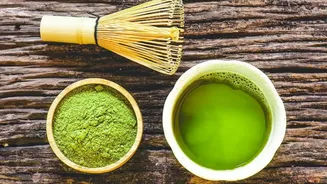
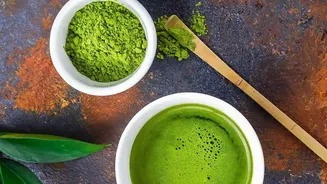
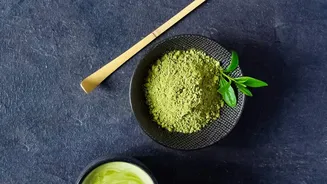
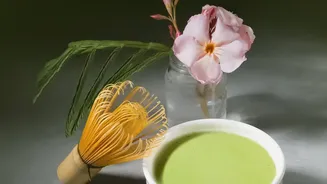
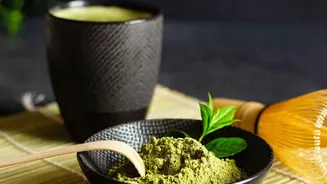
Matcha, a finely ground powder of specially grown green tea leaves, has been a cornerstone of Japanese tea ceremonies for centuries. Unlike regular green tea where you discard the leaves, with matcha, you consume the entire leaf, making it a potent source
of antioxidants. Its global rise was fuelled by its health benefits—touted for boosting metabolism and focus—and its undeniable visual appeal. Soon, the earthy, umami-rich drink moved from niche wellness circles to mainstream cafe menus worldwide, becoming a symbol of mindful modern living. In India, this global trend found fertile ground, with numerous homegrown brands now sourcing high-quality matcha from Japanese regions like Shizuoka and Kagoshima to meet rising demand.
The Great Indian Flavour Fusion
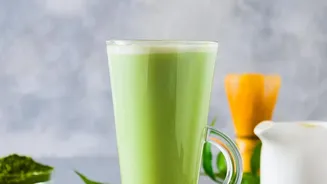
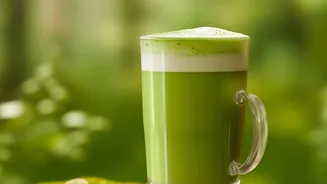
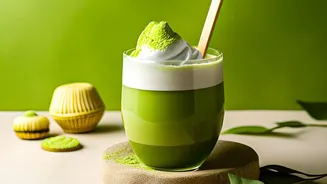
India’s culinary landscape rarely just imports a trend; it absorbs and reimagines it. Matcha is the latest ingredient to get this creative treatment. Urban cafes and home baristas are infusing the green powder with flavours that are deeply rooted in the Indian palate. The most natural evolution is the Masala Matcha Latte, which combines the warming spices of chai—cardamom, ginger, and cinnamon—with matcha's earthy notes. Another popular fusion is the Turmeric Matcha Latte, a vibrant blend that echoes the traditional immunity-boosting 'haldi doodh'. These creations are more than just novelties; they bridge the gap between a new taste and a familiar comfort, making the acquired taste of matcha more accessible.
Beyond the Chai Spices
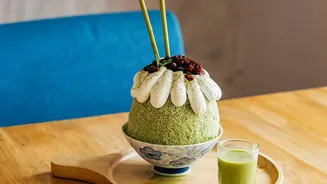
The experimentation doesn't stop at chai and turmeric. Creative menus across cities like Mumbai and Bengaluru showcase a wide range of inventive pairings. One cafe offers a Matcha Aam Panna, blending the smoky, sweet-sour taste of roasted green mango with matcha foam. Others are creating drinks like Matcha Mango Lassi, Matcha Pallonji's Soda, and even a Matcha & OJ. These fusions highlight a playful confidence, pairing a global superfood with beloved local and seasonal favourites. The trend extends to desserts too, with matcha finding its way into kulfi, rabri, and French toast, proving its versatility beyond beverages.
A Reflection of Modern Tastes
So why is this happening now? This trend is a perfect snapshot of the modern Indian consumer: globally aware but locally grounded. There is an eagerness to adopt international trends, driven by internet exposure and a growing wellness focus. Google search interest for making matcha at home has surged, showing the trend is moving from cafes into kitchens. Yet, there remains a strong preference for authentic, familiar flavours. By blending matcha with spices like turmeric or fruits like mango, consumers get the best of both worlds: the health credentials and chic status of a global trend combined with the comforting taste of home. It’s a phenomenon some call 'glocalization,' and it’s a hallmark of India's evolving food scene.