



What is the 2026 Auto Conversion Scheme?
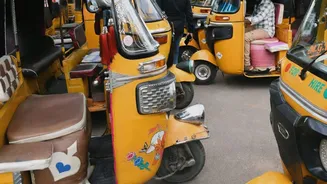
The government has approved a ₹200 crore plan specifically targeting 18,766 auto-rickshaws currently running on petrol or diesel within Hyderabad's Core Urban Region Economy (CURE) area. The initiative, officially named the 'Telangana Auto Rickshaw Electric
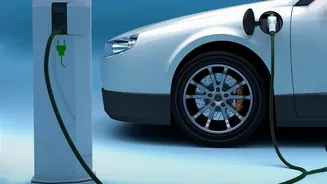
Conversion Scheme–2026', is designed to push Hyderabad's public transport system towards sustainability and net-zero carbon emissions. It provides significant financial incentives for auto owners to either convert their existing vehicles to electric or replace them entirely with new e-autos. This move is part of the broader 'Telangana Rising Vision–2047' which aims to make Hyderabad a cleaner and more environmentally friendly city.
Two Choices: Retrofit or Replace
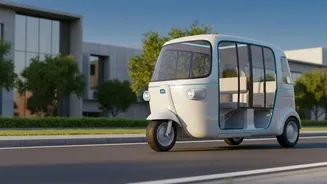
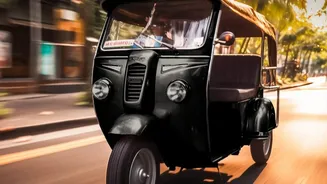
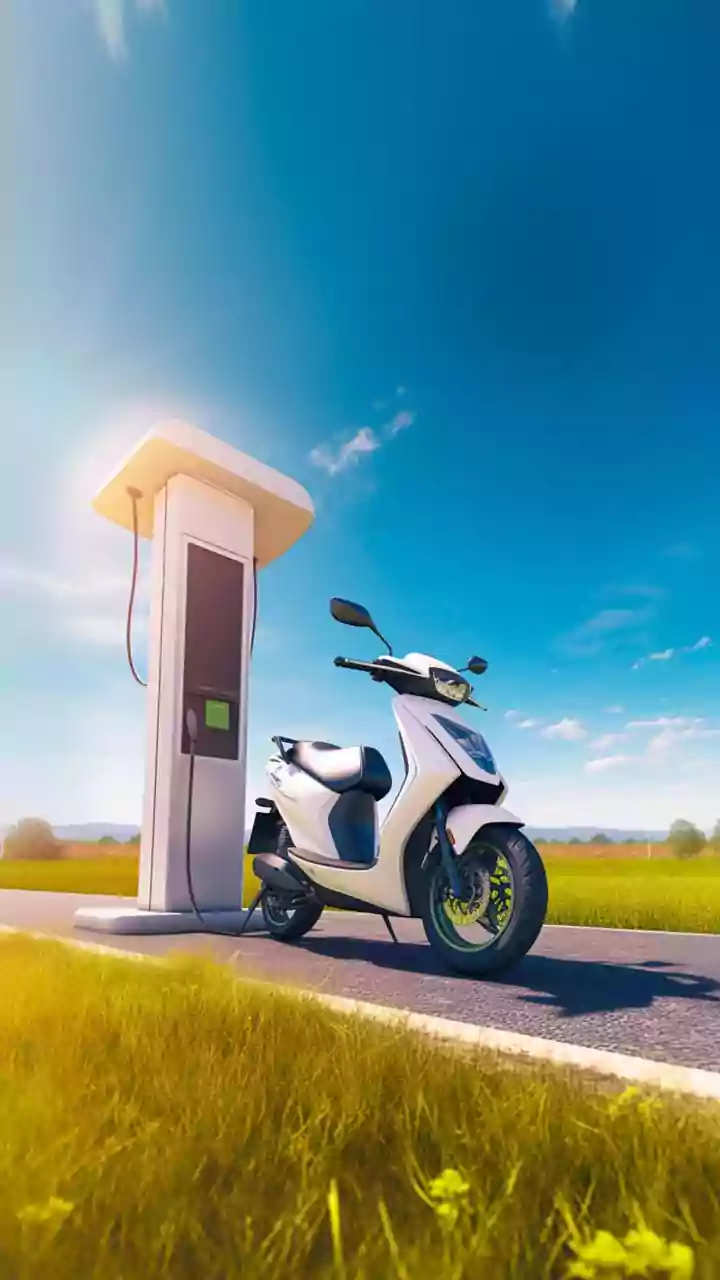
Auto drivers eligible for the scheme have two distinct options. The first is to retrofit their current vehicle. This involves converting their existing petrol or diesel auto-rickshaw into an electric one using an approved electric kit (AIS-123 certified). Drivers can choose between a fixed battery system or a swappable one. The second option is to purchase a brand-new electric auto. To do this, owners must surrender their old internal combustion engine (ICE) vehicle and buy a factory-built, type-approved electric three-wheeler. This dual approach offers flexibility, allowing drivers to choose the path that best suits their financial situation and operational needs.
Understanding the Financial Assistance
A key feature of the scheme is the substantial subsidy offered. For both options—retrofitting and replacement—the government is providing financial assistance of up to ₹1.50 lakh. For those choosing to retrofit, the government will cover the actual cost of the kit, installation, and accessories up to a maximum of ₹1.50 lakh. If a driver opts to buy a new electric auto, a fixed subsidy of ₹1.50 lakh will be provided. This subsidy will be deducted directly from the vehicle's on-road price by the empanelled dealers, making the switch more affordable for the beneficiary from the outset.
Who is Eligible and How is it Funded?
The scheme targets the 18,766 registered and active petrol (7,512) and diesel (11,254) auto-rickshaws within the CURE region of Hyderabad. A significant aspect of the program is its inclusivity; the assistance is available to all eligible vehicle owners in this region, regardless of their social category. To fund this ₹200 crore initiative, the government plans to pool ₹50 crore each from the SC, ST, BC, and Minority Welfare departments. This funding strategy ensures the program has a broad base of support and can be accessed by drivers from all communities.
The Bigger Picture: Cleaner Air and Economic Relief
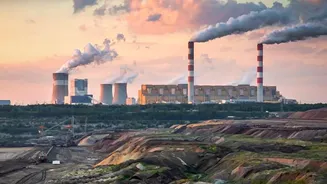
The primary goals of the scheme are twofold: environmental protection and economic upliftment for drivers. By converting thousands of vehicles from fossil fuels to electricity, the government aims to significantly reduce air and noise pollution in Hyderabad. For auto drivers, the switch promises lower running costs. With rising fuel prices, the move to electric power is expected to decrease daily expenses and increase their net income. Transport Minister Ponnam Prabhakar highlighted that the scheme is designed with the economic interests of auto drivers and sustainable urban development in mind. To ensure smooth and transparent execution, a three-tier monitoring system involving state-level, implementation, and district-level committees will be established.