




A Sudden, Devastating Deluge
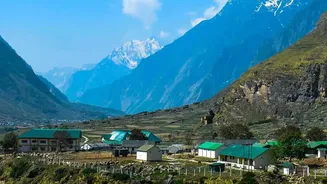
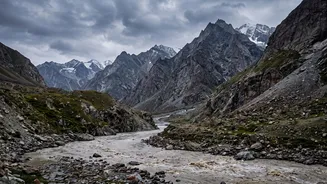
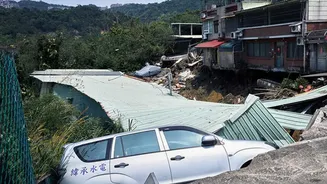
The flash flood appeared with shocking speed. On Wednesday, August 26, 2026, a surge of water and debris barrelled through communities along the Lende Khola and Trishuli rivers near Nepal's border with China. Data showed water levels rising as much as nine
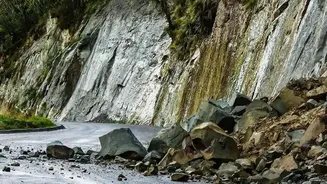
metres in just 30 minutes. The force of the flow destroyed homes, bridges, roads, and critical hydropower infrastructure, causing hundreds of deaths and leaving many more missing. The event was so powerful that it registered on seismic sensors as a magnitude 5.2 event, initially confusing some scientists into thinking it was an earthquake.
The Anatomy of a Collapse
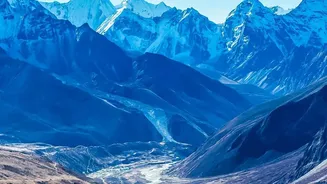
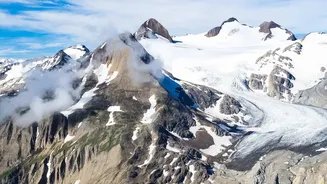
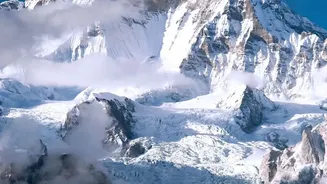
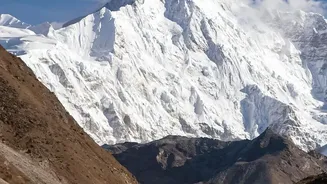
Forensic analysis by scientists using satellite imagery and seismic data quickly ruled out heavy rainfall as the primary trigger. Instead, the evidence points to a massive landslide of rock and ice from a glacier perched at an altitude of about 5,200 metres. Researchers believe a huge section of bedrock underneath the glacier gave way, taking a massive chunk of the glacier with it in a cataclysmic freefall. This enormous mass of falling ice and rock plummeted into the valley below, a descent that generated immense heat, melting ice and gathering loose sediment and boulders along the way. This transformed the avalanche into an extraordinarily large and fast-moving debris flow that slammed into the river system.
A 'Cascading Hazard' in the Mountains
The disaster wasn't just a simple avalanche. Scientists are investigating a 'cascading' series of events that amplified the flood's destructive power. One leading theory is that the debris from the collapse temporarily dammed the river. This blockage would have caused a lake to form behind the wall of rock and ice. When this natural dam inevitably burst under the pressure of the backed-up river, it would have released the water in a sudden, violent surge, compounding the initial flood wave. This mechanism, where one hazard triggers another, explains the sheer volume and velocity of the water that caught downstream communities completely off guard.
The Climate Change Connection
While no single event can be blamed solely on climate change, scientists say a warming world makes such disasters far more likely. The Hindu Kush Himalaya region is warming at a rate considerably faster than the global average. This rapid warming has two dangerous effects. First, it melts glaciers, which have disappeared 65% faster in the last decade compared to the one prior. Second, it thaws permafrost—the frozen ground that acts like a glue holding steep mountain slopes together. As this permafrost degrades, the bedrock becomes unstable and more prone to failure, increasing the risk that the glaciers sitting on top will collapse.
A Sobering Warning for the Region
This tragedy in Nepal is a stark warning for the entire Himalayan region, which provides water to nearly two billion people. The mountains, sometimes called the 'Water Towers of Asia,' contain the largest volume of ice outside the polar regions. Communities in India, Bhutan, Pakistan, and China face similar threats from thousands of glaciers and glacial lakes that are becoming increasingly unstable. Similar events have occurred before, such as the 2021 disaster in Uttarakhand, India, where a rock and ice avalanche also led to a devastating flash flood. Scientists stress that what happened in Nepal is not an isolated incident but part of a disturbing new normal for a region on the front lines of climate change.