


The Fabric of Resistance
Before the independence movement, India was a global leader in textiles, renowned for its exquisite fabrics like muslin, calico, and chintz. However, British colonial policies systematically dismantled this thriving industry. They flooded the Indian market
with cheap, machine-made cloth from British mills while imposing heavy taxes on local weavers, pushing millions of artisans into poverty. This economic devastation laid the groundwork for a powerful nationalist response. The Swadeshi movement, which formally began on August 7, 1905, was a direct answer to this exploitation, urging Indians to boycott foreign goods and embrace domestic products.
Khadi: The Great Unifier
Mahatma Gandhi masterfully transformed the simple act of spinning and wearing Khadi into a powerful symbol of self-reliance (Swadeshi) and non-violent protest. The charkha became a weapon of economic independence and national pride. By encouraging everyone, from elite leaders to the poorest villagers, to spin their own yarn, Gandhi democratised the freedom struggle. Wearing Khadi was no longer just a choice of clothing; it was a political statement, a pledge of allegiance to the vision of a self-sufficient India, or Swaraj. This movement was so central to the national identity that the charkha was even featured in early versions of the Indian national flag.
Beyond Cotton: The Lustre of Silk
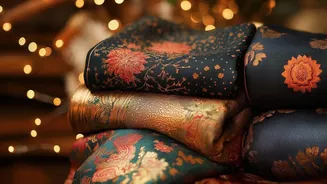
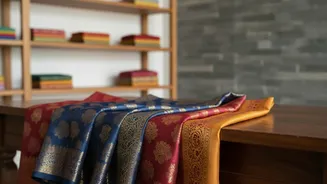
While Khadi cotton was the most visible fabric of the movement, the philosophy of Swadeshi embraced all indigenous textiles. This included India's luxurious silks. Promoting traditional handloom silks from centres like Banaras, Chanderi, and across Bengal was part of the same cultural and economic renaissance. These fine fabrics represented the pinnacle of Indian craftsmanship, a testament to a heritage the British sought to undermine. By choosing Indian silk over foreign finery, nationalists made a powerful statement about the country's rich cultural capital and inherent skills. It was a rejection of the colonial narrative that India was merely a supplier of raw materials. The 'Silk Letter Movement' (1913-1920), though a separate revolutionary plan, also highlights the symbolic importance of silk, where secret messages were written on silk cloth.
A Pan-Indian Tapestry
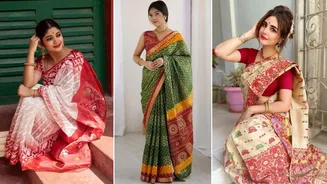
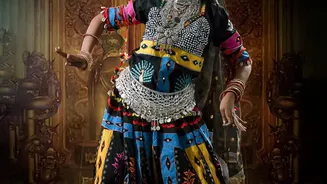
The textile legacy of the freedom movement is a diverse tapestry woven from threads across the country. The Swadeshi call revitalised numerous regional weaving traditions that were under threat. This included the intricate Ikat from Odisha and Andhra Pradesh, the rich brocades of Varanasi, and vibrant block prints from Rajasthan and Gujarat. Each region's unique textile tradition became a part of the larger narrative of national pride and economic self-determination. The movement helped preserve skills passed down through generations and reminded people that the nation's strength lay in its diverse and deep-rooted craft cultures.