




A Summit in Constant Motion
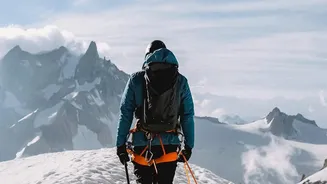
On September 17, 2026, a team of expert surveyors made their biennial pilgrimage to the top of Mont Blanc. Carrying nearly 30 kilograms of high-tech gear, including satellite positioning instruments and drones, they measured the peak's official height.
The new figure is 4,807.47 metres. This is nearly two metres higher than the measurement taken in 2023, which was an unusually low 4,805.59 metres. Since 2001, these regular surveys have created a fascinating record of the mountain's 'live peak'. The experts are clear: the mountain’s rock is not growing. The secret to its changing stature lies entirely in the thick mantle of snow and ice that covers its stony summit.
Rock Versus Ice
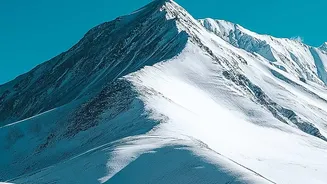
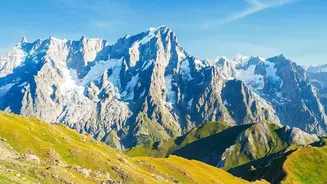
The fundamental reason Mont Blanc's altitude varies is that its official summit isn't rock, but a thick, permanent dome of snow and ice. The actual rock peak of the mountain sits stable at an altitude of around 4,792 metres. The official 'height', the one that makes the headlines, includes the several metres of frozen precipitation on top of that. This icy cap can be over 20 metres thick in places and is in a constant state of flux. The highest point of snow is also not directly above the highest point of rock; high-altitude winds often push the snowpack dozens of metres to one side. So when surveyors measure the mountain, they are really measuring the top of a dynamic, ever-shifting snowdrift.
The Power of Wind and Weather
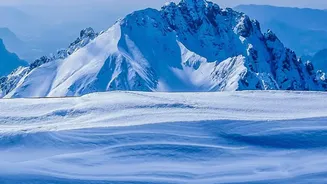
The two primary forces that alter the summit’s height are precipitation and wind. The amount of snow that falls during the preceding winter and spring adds mass to the ice cap, while summer conditions can cause some melt. More significantly, high-altitude winds play a huge role in sculpting the summit. These powerful winds can scour snow from one area and deposit it in another, effectively moving the highest point from one year to the next. According to the surveyors, these year-to-year variations are driven more by short-term weather patterns than by a direct, immediate link to global warming. A year with heavy winter snowfall and specific wind patterns can easily add a metre or more to the summit, while a different pattern the next year could reduce it.
The Bigger Climate Picture
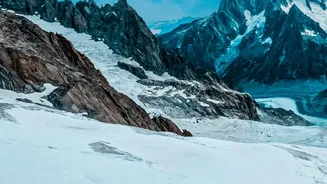
While a single measurement change isn't a direct indicator of climate change, the long-term trend is of great interest to scientists. Glaciologists are careful to distinguish between the fluctuating height of the summit snow cap and the overall health of the Alps' glaciers. While the very cold temperatures at Mont Blanc's summit (around -20°C) mean its ice cap is less affected by melting than lower glaciers, the picture across the Alps is different. Glaciers at lower altitudes are retreating at an alarming rate, a clear sign of a warming climate. Jean des Garets, the chief surveyor for the Haute-Savoie region, notes that the summit is 'constantly shifting' and that each measurement provides valuable data for long-term analysis. So, while the latest growth spurt is interesting, scientists will continue monitoring it as one piece of a much larger puzzle about our planet's changing climate.