



More Than a Holiday, It's a Philosophy
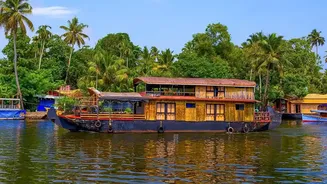
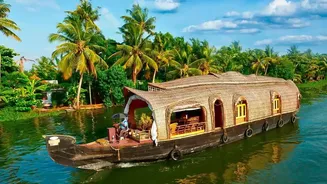
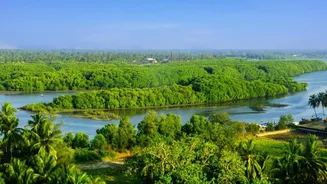
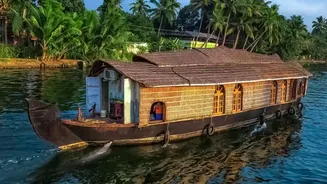
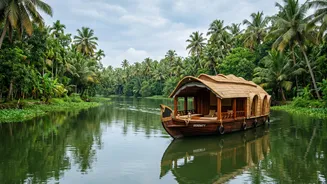
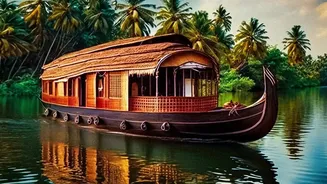
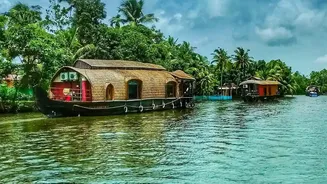
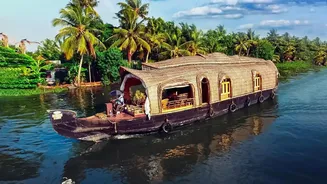
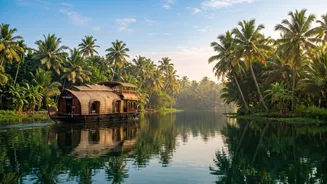
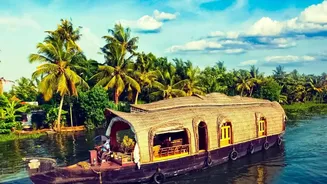
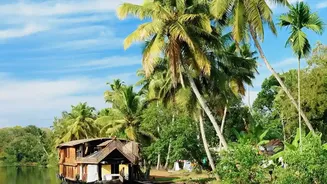
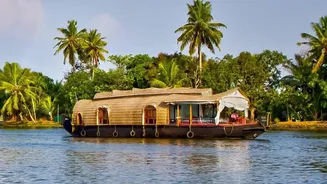
For decades, the phrase “God’s Own Country” has defined Kerala’s tourism, evoking images of serene houseboats and lush tea plantations. But beneath this picturesque surface lies a deeper, more resilient idea: the Responsible Tourism (RT) Mission. Launched
formally in 2017 after years of pilot projects, this initiative was born from a simple but powerful goal: to make tourism a tool for local benefit, not just a spectacle for visitors. The mission is built on what's called the "triple bottom-line"—ensuring that tourism is economically, socially, and environmentally responsible. This means moving beyond just building resorts and instead creating a system where the community, the environment, and the traveler all win. It’s a philosophy that asks not just how many people can visit, but how their visit can create a better place for locals to live.
Putting the Community First
The true genius of Kerala's model is its focus on community empowerment. Instead of tourism revenue flowing only to large hotel chains, the RT Mission actively links local communities to the tourism supply chain. This happens through practical, ground-level initiatives. For instance, hotels and resorts are encouraged to source vegetables, fruits, milk, and eggs directly from local farmers and Kudumbashree units (women's self-help groups). This ensures that the money spent by tourists circulates within the local economy, providing a direct income to families. The model also provides training and support for locals to become entrepreneurs, offering services like homestays, craft workshops, and authentic culinary experiences. By doing so, it preserves traditional livelihoods and gives travelers a genuine taste of local life, something a standard hotel stay can rarely offer.
The Experience is the Difference
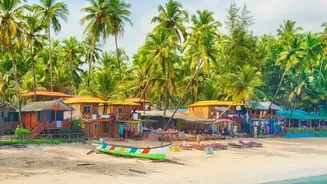
So, what does this mean for the traveller? It means a richer, more immersive experience. Instead of just observing from a tour bus, you can participate. This could mean taking a village life experience tour in Kumarakom, learning the art of coir-making from a local artisan, or enjoying a home-cooked meal prepared with ingredients sourced from a family’s own garden. A recent innovation is the STREET project—an acronym for Sustainable, Tangible, Responsible, Experiential, Ethnic, Tourism Hubs. This initiative develops theme-based streets in rural areas, like a 'Culture Street' or a 'Food Street', allowing visitors to explore specific facets of a village's identity in depth and helping to spread tourist activity beyond crowded hotspots. This model has won global acclaim, including awards at the World Travel Mart in London, proving that authentic, community-based experiences are what modern travelers increasingly seek.
A Blueprint for the Future
In an era of climate change and social inequality, Kerala’s Responsible Tourism Mission stands as a beacon. Its success has not gone unnoticed. The state has received numerous international awards, including the UNWTO Ulysses Award for its work in Kumarakom and, more recently, Global Responsible Tourism Awards for its local sourcing and women-inclusive programmes. These accolades recognise a crucial point: this isn't just a feel-good project. It is a viable, scalable blueprint for how tourism can and should operate globally. By empowering women, preserving local culture, and making environmental stewardship a priority, Kerala has shown that tourism doesn't have to be an extractive industry. It can be a force for inclusive growth and conservation, creating a more resilient and equitable world one vacation at a time.