





The Hydration Showdown: Electrolytes at a Glance
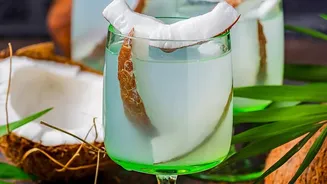
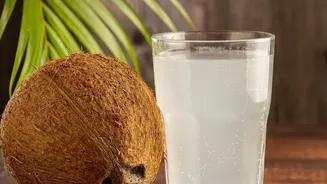
When it comes to pure hydration, both drinks are excellent choices. Coconut water is often called 'nature's sports drink' for a reason. It is packed with electrolytes like potassium, magnesium, and sodium, which are crucial for replenishing fluids lost
through sweat. This makes it a fantastic option for quick rehydration after light exercise or spending time in the sun. Buttermilk, or chaas, also has a high water content and contains electrolytes like potassium and sodium, helping to prevent dehydration. While coconut water may have a slight edge in quickly restoring a wide range of electrolytes, buttermilk is a time-tested hydrator known for its cooling effect on the body.
A Nutritional Deep-Dive
Nutritionally, the two drinks serve different purposes. Coconut water is the lighter option, with significantly fewer calories—about 18 per 100 grams, compared to buttermilk's 62. It is fat-free and has a higher concentration of Vitamin C. However, buttermilk is a nutritional powerhouse in other areas. It contains substantially more protein, calcium, and a range of B vitamins, including B12. It's also a significant source of Vitamin D, which is absent in coconut water. For someone looking for a low-calorie hydrator, coconut water is the clear winner. For those wanting a more filling and nutrient-dense beverage that supports bone health, buttermilk is the superior choice.
Gut Health and Digestion
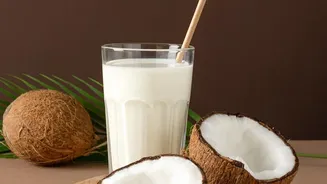
This is where buttermilk truly shines. As a fermented drink, traditional buttermilk is a rich source of probiotics—the beneficial bacteria that support a healthy gut. Regular consumption can aid digestion, soothe the stomach lining after a spicy meal, and help prevent issues like bloating and acidity. The lactic acid in buttermilk can also improve nutrient absorption from other foods. Coconut water is gentle on the stomach and easy to digest, but it does not offer the same probiotic benefits. For daily digestive wellness, buttermilk is the undisputed champion.
The Sugar Question
Both drinks contain natural sugars. A 100-gram serving of buttermilk and coconut water have similar sugar content, at around 4.9g and 3.9g respectively. Coconut water's sweetness comes from naturally occurring glucose, fructose, and sucrose. While this is relatively low compared to juices or sodas, it's something for individuals with blood sugar concerns to be mindful of, especially with packaged versions that may contain added sugar. The savoury version of buttermilk (chaas), often prepared with salt and spices like cumin, is an excellent low-sugar alternative.
Practicality: Cost and Accessibility
In most parts of India, buttermilk is generally more affordable and accessible than coconut water. It can be easily made at home by diluting curd or purchased in cartons and pouches at a lower price point. Fresh coconut water, while widely available from street vendors, can be more expensive, with prices varying by location and season. Packaged coconut water often comes at an even higher premium. For budget-conscious daily consumption, buttermilk is often the more practical choice.
A Word of Caution
While both drinks are healthy, moderation is key. Due to its high potassium content, excessive consumption of coconut water can be a concern for individuals with kidney problems or those on certain heart medications. Overconsumption can also lead to digestive issues in some people. Buttermilk is a dairy product, so it may not be suitable for those with lactose intolerance, although some find fermented dairy easier to digest.