



The Challenge: Quality Over Quantity
GLP-1 agonists work by suppressing appetite and slowing digestion, which causes you to eat less. This calorie reduction is effective for weight loss, but it also creates a nutritional challenge. With a smaller food intake, every bite needs to count. Rapid
weight loss can lead to losing not just fat, but also lean muscle mass—sometimes as much as 25% to 40% of the total weight lost. This is often called “low-quality” weight loss because losing muscle can slow your metabolism, reduce strength, and make it harder to keep the weight off long-term. The goal is to lose fat while preserving as much muscle as possible, and that’s where a high-quality diet becomes your most powerful tool.
Prioritise Protein to Protect Muscle
If there's one nutrient to focus on, it's protein. Protein provides the building blocks for muscle tissue, and getting enough signals to your body to preserve lean mass while you're in a calorie deficit. Experts often recommend aiming for at least 25 to 30 grams of protein with each meal. For some, total daily goals might be around 1 gram of protein per pound of your ideal body weight, especially if you're active. Because your appetite is reduced, it’s a smart strategy to eat your protein source first at every meal. Lean chicken, fish, eggs, Greek yogurt, lentils, and beans are all excellent sources to incorporate throughout your day. This, combined with resistance training two to three times a week, is the most effective strategy for maintaining muscle.
Fibre and Fluids for Comfort and Health
Two common side effects of GLP-1 medications are nausea and constipation, both related to the slowing of your digestive system. A diet rich in fibre can help manage these issues. Fibre supports digestive health and also contributes to feelings of fullness, helping you stay satisfied on fewer calories. Women should aim for about 25 grams of fibre daily, and men around 35 grams. Good sources include whole grains, fruits, vegetables, beans, and seeds. However, it's crucial to pair increased fibre intake with plenty of water. Adequate hydration helps fibre do its job and can prevent constipation from worsening. Eating smaller, more frequent meals can also help manage nausea and discomfort.
Focus on Nutrient-Dense Foods
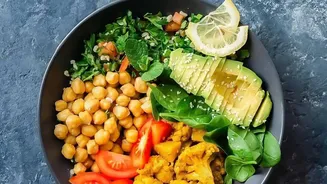
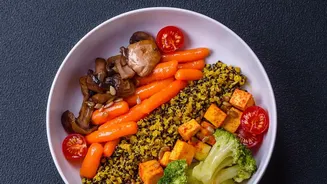
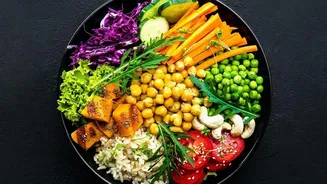
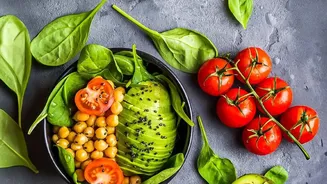
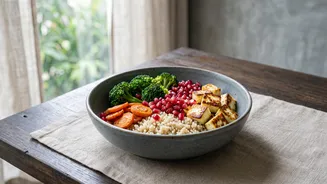
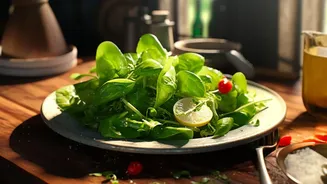
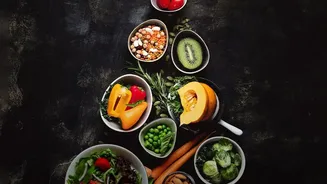
When your total food intake drops significantly, the risk of micronutrient deficiencies increases. Studies have shown that users of GLP-1 drugs can become deficient in essential vitamins and minerals like B12, iron, and fat-soluble vitamins such as A, D, E, and K. This can lead to symptoms like fatigue, hair loss, and a weakened immune system. To avoid this, focus on nutrient-dense foods—those that pack a lot of vitamins and minerals into a small number of calories. Think colourful fruits and vegetables, lean proteins, and healthy fats from sources like avocado, nuts, and olive oil. These foods ensure your body gets the nourishment it needs to function optimally, even as you lose weight.