




What the Budget Actually Proposes
The Union Budget for 2026-27 has signaled a significant policy shift, moving beyond mere mentions of tourism to embedding it within a broader strategy for regional development and employment. A key focus is the promotion of rural tourism, with specific
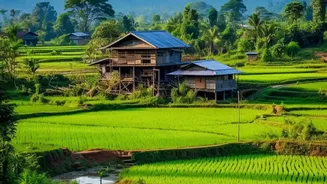
measures aimed at empowering local communities. Under initiatives like the revamped 'Swadesh Darshan 2.0' scheme, the government is channeling funds towards developing sustainable and responsible tourist destinations. A major component of this push is direct support for homestays, particularly in tribal and remote areas. The policy includes financial assistance for constructing new rooms or renovating existing ones, aiming to create a large number of quality accommodations that offer travellers an authentic experience while providing a direct income stream to rural households.
The Homestay Advantage
So, why the big focus on homestays? Unlike large-scale hotels, homestays offer a unique, low-impact model for tourism development. They require less capital investment and can be established in remote areas where building large hotels is neither feasible nor desirable. This model keeps the economic benefits firmly within the local community. When a traveller stays in a homestay, the money goes directly to the host family, who in turn spend it on local goods and services, creating a powerful ripple effect. Studies show that homestays have a significant positive impact on household income, women's empowerment, and entrepreneurship, often providing a crucial supplementary income that helps families improve their standard of living and reduces the pressure for rural-to-urban migration.
Creating a New Tourism Map of India
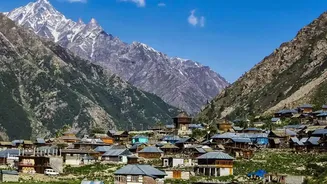
This policy isn't just about creating more places to stay; it's about fundamentally redrawing India's tourism map. For years, tourism has been concentrated in a few well-known hubs, leading to overcrowding and a strain on resources. The new strategy aims to disperse tourists across the country, highlighting lesser-known villages and their unique cultural and natural heritage. The government has identified rural and tribal circuits for development, with a focus on creating holistic experiences that include local crafts, cuisine, and traditions. By promoting destinations in the Northeast, the Himalayan foothills, and other underserved regions, the plan aims for more balanced regional growth and introduces travelers to a more diverse and authentic India.
Challenges on the Unpaved Road
While the vision is compelling, the road to a thriving rural tourism economy has its hurdles. A primary challenge is infrastructure. Many rural areas still lack the all-weather roads, reliable internet connectivity, and consistent power supply that modern tourists expect. There is also a significant need for skill development. Running a successful homestay requires more than just a spare room; hosts need training in hospitality, hygiene standards, and digital marketing to connect with potential guests. Furthermore, there is the risk of what is sometimes called 'over-tourism,' where an influx of visitors can disrupt local culture and harm the very environment that attracted them in the first place. Ensuring that development is sustainable and that the community remains in control will be critical to the long-term success of this initiative.