



More Than Just Green Tea
Before we get into the craze, let's be clear: matcha is not just regular green tea. Both come from the same plant, Camellia sinensis, but the similarities mostly end there. Matcha is made from special, shade-grown tea leaves. This process boosts their
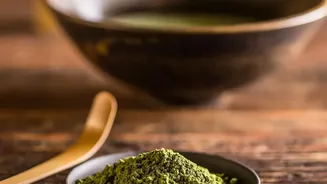
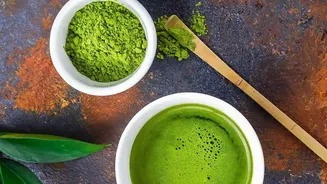
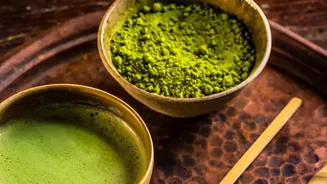
chlorophyll and L-theanine content, giving the powder its vivid green colour and unique properties. Unlike tea leaves that are steeped and discarded, with matcha, you consume the entire stone-ground leaf. This means you get a more potent concentration of the leaf's components, including its antioxidants and caffeine.
A Taste for Something New
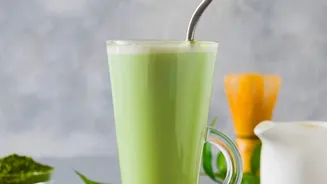
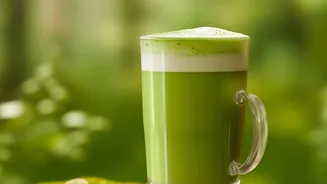
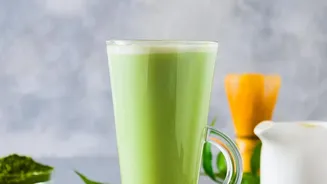
For a nation devoted to masala chai, adopting a grassy, vegetal-tasting drink seems unlikely. High-quality matcha has a complex flavour profile: slightly sweet, nutty, and a distinct savoury note called 'umami'. While the traditional, water-whisked version is an acquired taste, India’s cafe culture has been crucial in adapting it for the local palate. Think creamy matcha lattes, often sweetened, or innovative fusions like mango and strawberry matcha. Chefs are also incorporating it into desserts, from matcha financiers to French toast, using its earthy notes to balance sweetness. This versatility has allowed Indians to explore the flavour on their own terms.
The Ritual and The 'Gram
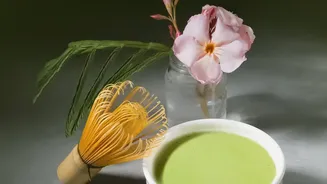
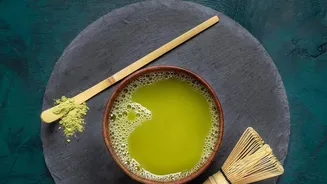
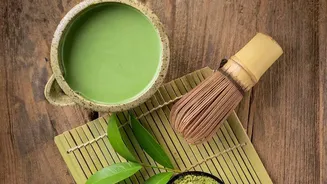
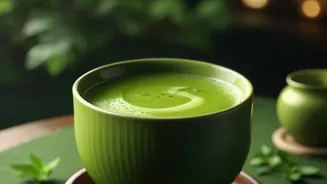
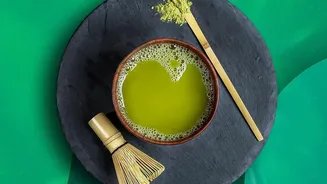
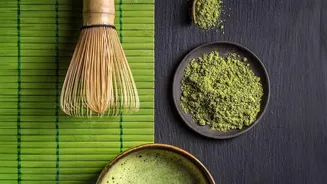
A significant part of matcha's appeal lies beyond the taste; it’s about the experience. The traditional preparation, involving a bamboo whisk ('chasen') and a special bowl ('chawan'), is a mindful, almost meditative ritual. In a world of instant gratification, the deliberate process of preparing matcha offers a moment of slowness. This aesthetic, from the tools to the final frothy product, is also incredibly photogenic. Its vibrant green colour makes it one of the most 'Instagrammable' beverages, turning a simple drink into a lifestyle statement for a new generation of consumers who value wellness and aesthetics.
Unpacking the Wellness Claims
The wellness narrative is a powerful driver of the matcha trend. It's packed with antioxidants, particularly EGCG (epigallocatechin gallate), which may help protect against cell damage. The unique combination of caffeine and the amino acid L-theanine is perhaps its biggest draw. This duo is said to provide a state of 'calm alertness,' boosting focus without the jitters or crash sometimes associated with coffee. While studies suggest benefits for heart and brain health, it's important to see it as part of a healthy diet rather than a miracle cure. Consuming too much can lead to side effects like sleep disruption, just like any caffeinated drink.
From Niche Trend to Home Staple
What started in specialty cafes is now moving into Indian homes. Google Trends data reveals a massive spike in searches for 'how to make matcha' and 'matcha kit' over the past year. This signals a shift from a passing trend to a genuine consumer habit. A host of homegrown Indian brands have emerged, sourcing ceremonial and culinary grade matcha directly from Japan to meet this growing demand. With a market valued at over USD 40 million in India and growing at a rate nearly double that of the traditional tea market, matcha is cementing its place not as a replacement for chai, but as a modern addition to India's rich beverage culture.