


The Allure of the Dahi Kebab
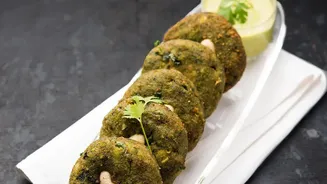
Dahi Kebabs are a beloved North Indian vegetarian starter, celebrated for their unique textural contrast. A perfectly executed kebab boasts a golden, crunchy exterior that gives way to a soft, creamy, and tangy interior. Made from hung curd (strained
yoghurt), paneer, and a delicate blend of spices, these patties are a luxurious treat that often feels like a restaurant-only specialty. However, their reputation for being tricky to make at home often comes down to one thing: moisture control. The secret to a kebab that holds its shape and fries beautifully lies in creating a thick, cheese-like curd base. When done right, they are not just an appetiser; they are a conversation starter, impressing guests with their sophisticated flavour and delightful texture.
The Foundation: A Perfect Kebab Mixture
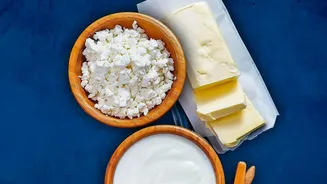
The success of your Dahi Kebabs hinges entirely on the quality of your hung curd. To make it, pour fresh, full-fat curd into a muslin or cheesecloth set over a strainer and a deep bowl. Gather the cloth, tie it securely, and place a weight on top to press out as much whey as possible. Refrigerate this setup for at least 12 hours, or ideally overnight. The resulting curd should be thick and dry, similar to cream cheese. In a mixing bowl, combine this hung curd with crumbled paneer, which adds structure and richness. For binding, roasted gram flour (besan) is essential; roasting it for a few minutes on low heat removes its raw taste. Add finely chopped onions, ginger, green chillies, and fresh coriander for flavour. Season with garam masala, cumin powder, and salt, but add the salt just before you are ready to shape the kebabs to prevent the onions from releasing excess water.
The Make-Ahead Masterstroke
Here is how to eliminate day-of stress. There are two effective methods for preparing Dahi Kebabs in advance. The first option is to prepare the entire kebab mixture, place it in an airtight container, and refrigerate it. This can be done a day ahead. Chilling the mixture not only saves time but also makes the delicate patties easier to shape, as the cold helps them firm up. The second, and perhaps more convenient, method is to shape the kebabs completely and then store them. Once you have formed the patties, coat them evenly in breadcrumbs. Arrange the coated kebabs in a single layer on a tray, ensuring they don’t touch. You can then refrigerate them, covered with cling wrap, for up to 24 hours. For longer storage, freeze the tray of kebabs for a couple of hours until they are solid, then transfer them to a ziplock bag. They can be kept frozen for up to two weeks.
From Fridge to Pan: Cooking to Perfection
When you are ready to serve, cooking the pre-prepared kebabs is quick and simple. For refrigerated kebabs, it is best to let them sit at room temperature for about 10-15 minutes before frying. Heat oil in a non-stick pan for shallow frying over a medium-high flame. Cooking on a low flame can make them soggy, while a flame that's too high will burn the outside before the inside is warmed through. Gently place the kebabs in the hot oil, giving them enough space so the pan isn't overcrowded. Fry for 2-3 minutes per side, until they are a deep golden brown and crisp. These kebabs are delicate, so flip them carefully. If you have frozen the kebabs, there is no need to thaw them. Fry them directly from frozen, adding a couple of extra minutes to the cooking time per side on a medium-low heat to ensure they cook through without becoming soggy. Once cooked, place them on a paper towel to drain any excess oil before serving hot.
Troubleshooting Common Pitfalls
The most common issue with Dahi Kebabs is the mixture being too soft or the kebabs breaking apart while frying. This is almost always due to excess moisture in the hung curd. If you've strained your curd and the mixture still feels too wet, you can add a bit more roasted besan or breadcrumbs to help bind it. If you find the mixture difficult to handle while shaping, refrigerating it for at least 30 minutes will make a significant difference. Greasing your palms with a little oil can also prevent sticking. If your kebabs are absorbing too much oil, it's a sign that the curd wasn't strained enough or the oil isn't hot enough. Ensure your oil is properly heated to a medium-high temperature to create an instant seal, resulting in a crispy, non-greasy finish.