





The Soothing Appeal of Eucalyptus
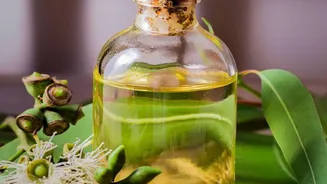
Eucalyptus oil is a staple in the world of aromatherapy and natural remedies for good reason. Its main active component, 1,8-cineole (also known as eucalyptol), is responsible for its distinct, refreshing scent that many associate with clear breathing
and relaxation. This powerful aroma is why it's a popular choice for diffusers, chest rubs, and, of course, foot soaks designed to soothe tired muscles after a long day. The practice of adding a few drops to a warm basin of water with Epsom salts is celebrated in wellness circles as a simple way to unwind and de-stress.
A Potent Oil, Not a Beverage
The core danger lies in a simple misunderstanding of how essential oils work. Just because something is natural does not mean it is safe to consume. Eucalyptus oil is highly concentrated and meant for aromatic or topical use only, and even then, it often requires dilution. When ingested, it acts as a potent toxin. The public awareness of this extreme toxicity is generally lacking. Even very small amounts of pure eucalyptus oil—as little as 2-3 milliliters—can cause significant symptoms, while just 5 milliliters (about a teaspoon) can lead to severe poisoning, particularly in children. Accidental ingestion is a serious concern because the oil is a common household item.
Recognizing the Signs of Poisoning
Eucalyptus oil poisoning symptoms can appear rapidly, often within 30 minutes to four hours of ingestion. Initial signs may include a burning sensation in the mouth and throat, abdominal pain, nausea, and vomiting. From there, the effects on the central nervous system can become severe. Symptoms can progress to dizziness, muscle weakness, confusion, slurred speech, and loss of coordination (ataxia). In serious cases, especially with larger doses, poisoning can lead to seizures, a dangerous drop in blood pressure, respiratory depression, coma, and even death. Children are especially vulnerable to the more severe neurological effects like seizures.
What to Do in Case of Ingestion
If you suspect someone has swallowed eucalyptus oil, it is critical to seek immediate medical help. Do not try to induce vomiting, as this can increase the risk of the oil entering the lungs, causing further damage like chemical pneumonitis. Instead, rinse the mouth out with water and call a poison control center or emergency services right away for guidance. It is important to note that there is no specific antidote for eucalyptus oil poisoning; medical treatment is supportive and focuses on managing symptoms and protecting the person's airway and breathing.
Enjoying Eucalyptus Safely
The risks of ingestion do not mean you have to give up the benefits of eucalyptus. The key is to use it correctly. For a safe and relaxing foot soak, add only a few drops of the essential oil to Epsom salts before dissolving them in a basin of warm water; this helps disperse the oil. Never drink the water from the foot soak or leave the basin unattended around children or pets. For other uses, such as aromatherapy, add 5-8 drops to a diffuser. For topical application to soothe muscles, always dilute it with a carrier oil like coconut or jojoba oil to prevent skin irritation. As a rule, pure essential oils should never be applied directly to the skin or ingested.