







Mumbai's Lifeline: The Cutting Chai
In a city that never sleeps, time is currency. Mumbai’s iconic 'cutting chai' is the perfect embodiment of this spirit. The name itself tells a story: 'cutting' refers to a half-portion of tea, served in a small glass that’s just enough to provide a potent
jolt of energy without demanding you to stop and linger. It’s the urban equivalent of an espresso shot—strong, efficient, and built for a population on the move. Served at countless 'tapris' or roadside stalls, often just a stone's throw from a bustling local train station or a busy office building, cutting chai is the fuel that keeps the 'Maximum City' running. The small serving size makes it affordable and quick to consume, allowing everyone from factory workers to business executives to pause for a moment of revitalisation before being swallowed again by the city's relentless pace.
The Taste of a Mumbai Minute
Making cutting chai is an art of concentration. It’s a robust brew, typically a version of masala chai that is boiled relentlessly to extract maximum flavour. Strong black tea leaves are simmered with milk, water, and a generous amount of sugar. What gives it its signature punch is the blend of spices, most commonly crushed ginger (adrak) and cardamom (elaichi), which create a fragrant, potent, and warming concoction. The result is a thick, sweet, and intensely flavourful tea that coats the tongue and provides an instant boost. It’s not a delicate drink to be savoured slowly; its purpose is to deliver flavour and function in a few swift sips. The chai is served scorching hot, forcing a unique ritual of sipping, blowing, and waiting before the next quick gulp.
Kolkata's Adda and the Lebu Chai
Travel east to Kolkata, and the rhythm changes dramatically. Here, the culture of 'adda'—long, freewheeling conversations with no particular agenda—is sacred. And the perfect accompaniment to adda is not a milky, hurried chai, but the light and zesty Lebu Chai. 'Lebu' simply means lemon in Bengali. This tea is a reflection of Kolkata’s more relaxed and intellectual soul, a city that invites you to slow down. Found at street corners, often near old bookshops or college campuses, Lebu Chai stalls are social hubs where politics, poetry, and cinema are debated for hours over steaming glasses or earthen 'bhnaars'. Unlike its Mumbai counterpart, Lebu Chai isn't about a quick fix; it's about facilitating connection and conversation.
The Zesty Brew of the City of Joy
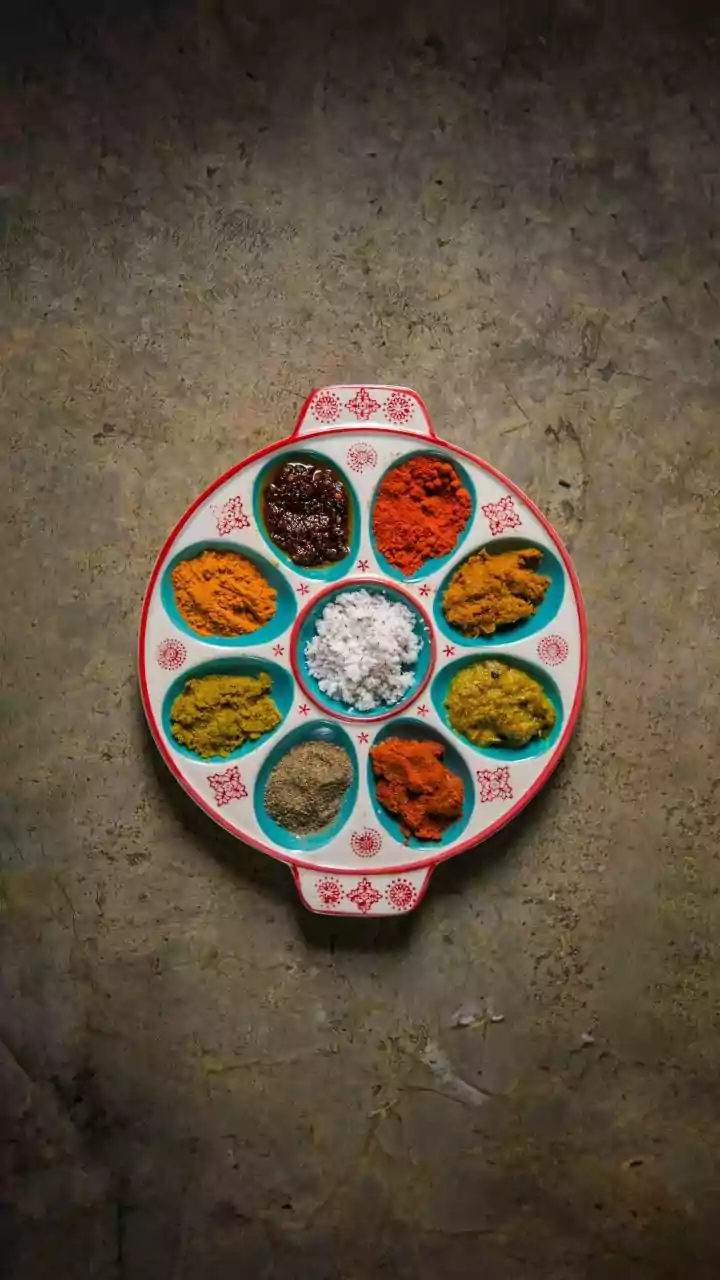
Lebu Chai is a world away from milk-based teas. It’s a light, refreshing, and tangy black tea that cleanses the palate. The preparation is simple but precise. Strong black tea is brewed and strained, then transformed with a generous squeeze of fresh lemon juice—sometimes the uniquely fragrant Gondhoraj lime. But the magic lies in the 'moshla', a signature blend of spices that each vendor guards proudly. This typically includes a pinch of black salt (kala namak) for a savoury, sulphuric kick, and often roasted cumin powder or even a sliver of green chilli for a surprising hint of heat. The result is a complex drink that is simultaneously sweet, sour, salty, and spicy, perfectly mirroring the layered and artistic character of Kolkata itself.
A Tale of Two Teas, Two Cities
Comparing Cutting Chai and Lebu Chai is like comparing the cities that birthed them. Mumbai's Cutting Chai is pragmatic and powerful, a quick and economical solution designed for a life lived in fast-forward. It is a social connector born of necessity, a brief shared moment in a city of millions chasing their dreams. Kolkata's Lebu Chai, on the other hand, is the centerpiece of a cherished cultural tradition. It is a beverage designed for leisure and dialogue, where the tea is secondary to the human connection it fosters. One is a strong, milky brew that offers comfort and energy; the other is a tangy, spiced infusion that refreshes and stimulates conversation. Both are served in humble glasses on the street, yet they carry the entire identity of their metropolis within them.